Hanoi · Asia

Vietnam (Vietnamese: Việt Nam) is a country in Southeast Asia with great food and a wealth of natural and cultural attractions. Despite the turmoil of the Vietnam War (called the American War in Vietnam), Vietnam has emerged from the ashes since the 1990s and is undergoing rapid economic development, driven by its young and industrious population. It remains less developed as a tourist destination than Thailand.
1 Hanoi (Hà Nội) — Vietnam's capital, a historic city with a wealth of cultural and historical sites
2 Ho Chi Minh City (Thành phố Hồ Chí Minh) — Vietnam's largest and most cosmopolitan city, formerly known as Saigon (Sài Gòn) when it was the main commercial center of colonial Vietnam and then capital of South Vietnam
3 Da Nang (Đà Nẵng) — The largest city in central Vietnam
4 Da Lat (Đà Lạt) — A French colonial hill station in the highlands
5 Haiphong (Hải Phòng) — The "port city", a major port in north Vietnam
6 Hoi An (Hội An) — A well-preserved ancient port, near the ruins of My Son
7 Hue (Huế) — The former home of Vietnam's emperors
8 Nha Trang — A burgeoning beach resort
9 Vinh — The major city in north-central Vietnam with very nice Cua Lo Beach
Con Dao — Islands off the Mekong Delta

Country in Southeast Asia This article is about the country. For other uses, see Vietnam (disambiguation). Socialist Republic of Viet NamCộng hòa Xã hội chủ nghĩa Việt Nam Flag Emblem Motto: Độc lập – Tự do – Hạnh phúc"Independence – Freedom – Happiness"Anthem: Tiến quân ca"The Song of the Marching Troops"Show globeShow ASEANLocation of Vietnam (green)in Southeast AsiaCapitalHanoi21°2′N 105°51′E / 21.033°N 105.850°E / 21.033; 105.850Largest city by municipal boundaryDa Nang16°20′N 107°35′E / 16.333°N 107.583°E / 16.333; 107.583Largest city by urban populationHo Chi Minh City10°48′N 106°39′E / 10.800°N 106.650°E / 10.800; 106.650Official languageVietnameseEthnic groups (2019)85.32% Viet (Kinh)14.68% otherReligion (2019)86.32% no religion / folk6.1% Catholicism4.79% Buddhism1.02% Hoahaoism1% Protestantism0.58% Caodaism0.07% Islam0.12% otherDemonymsVietnameseViet (colloquial)GovernmentUnitary communist state• Party General Secretary and President Tô Lâm• Prime Minister Lê Minh Hưng• National Assembly Chairman Trần Thanh Mẫn LegislatureNational AssemblyFormation• Văn Lang 7th century BC• Âu Lạc 3rd century BC• Han's annexation 111 BC• Independence from China 939• Regaining independence 1428• Nguyễn's unification 1802• Protectorate Treaty 25 August 1883• Declaration of independence 2 September 1945• North–South partition 21 July 1954• End of Vietnam War 30 April 1975• Reunification 2 July 1976• Current constitution 28 November 2013 Area • Total331,344.82 km2 (127,932.95 sq mi) (66th)• Water (%)6.38Population• 2025 estimate102,300,000 (16th)• 2019 census96,208,984• Density309/km2 (800.3/sq mi) (43rd)GDP (PPP)2026 estimate• Total $2.025 trillion (23rd)• Per capita $19,649 (104th)GDP (nominal)2026 estimate• Total $527.266 billion (33rd)• Per capita $5,115 (119th)Gini (2022) 36.1medium inequalityHDI (2023) 0.766high (93rd)CurrencyVietnamese đồng (₫) (VND)Time zoneUTC+07:00 (Vietnam Standard Time)Calling code+84ISO 3166 codeVNInternet TLD.vn This article contains Vietnamese text. Without proper rendering support, you may see question marks, boxes, or other symbols instead of chữ Nôm, chữ Hán and chữ Quốc ngữ. Vietnam, officially the Socialist Republic of Viet Nam (SRV), is a country at the eastern edge of Mainland Southeast Asia. With an area of about 331,000 square kilometres and a population of over 102 million, it is the world's 16th-most populous country. One of two communist states in Southeast Asia, Vietnam is bordered by China to the north, and Laos and Cambodia to the west; it lies along the Gulf of Thailand to the southwest and the South China Sea to the east, where it has shared and disputed maritime borders with other countries. Its capital is Hanoi, while its largest city is Ho Chi Minh City. Vietnam was inhabited by the Paleolithic age, with states established in the first millennium BC on the Red River Delta in modern-day northern Vietnam. The Han dynasty annexed northern and central Vietnam, which were subsequently under Chinese rule from 111 BC until the first dynasty emerged in 939. Successive monarchical dynasties absorbed Chinese influences through Confucianism and Buddhism, and expanded southward to the Mekong Delta, conquering Champa. During most of the 17th and 18th centuries, Vietnam was effectively divided into two domains of Đàng Trong and Đàng Ngoài. The Nguyễn—the last imperial dynasty—surrendered to France in 1883. In 1887, its territory was integrated into French Indochina as three separate regions. In the immediate aftermath of World War II, the communist-led Viet Minh coalition front launched the August Revolution and declared Vietnam's independence from the Empire of Japan in 1945. Vietnam went through prolonged warfare in the 20th century. After World War II, France returned to reassert colonial control in the First Indochina War, but was defeated in 1954 amid the global Cold War. As a result of the accords signed between the Viet Minh and France, Vietnam was also separated into two parts. The Vietnam War later broke out between the communist North Vietnam, supported by the Soviet Union and China, and the anti-communist South Vietnam, supported by the United States. Upon the North Vietnamese victory in 1975, Vietnam reunified as a communist state that self-designated as a socialist state under the Communist Party of Vietnam (CPV) in 1976. An ineffective planned economy, a trade embargo by the West, and wars with Cambodia and China crippled the country further. In 1986, the CPV launched economic and political reforms similar to the Chinese economic reform, transforming the country to a socialist-oriented market economy. The reforms facilitated Vietnamese reintegration into the global economy and politics. Vietnam is a developing country with a lower-middle–income economy. It has high levels of corruption, censorship, environmental issues, and a poor human rights record. It is part of international and intergovernmental institutions, including the ASEAN, the APEC, the Non-Aligned Movement, the OIF, and the WTO. It has assumed a seat on the United Nations Security Council twice.

Afghanistan is a landlocked country at the crossroads of Central and South Asia. The country shares borders with Uzbekistan, Turkmenistan, Tajikistan, Iran, Pakistan, China, and the disputed Kashmir territory. Once the centre of many powerful empires, the country has been in chaos and turmoil since the 1970s. Political unrest is rampant, and the country suffers from many social problems, such as

"AM" redirects here. For the Brazilian state, see Amazonas. Armenia (Armenian: Հայաստան Hayastan) is a landlocked country in the Caucasus. Once the centre of an empire, this former Soviet republic straddles the line between Europe and Asia. Armenia has a rich, ancient history, and it is most famously known for being the first country in the world to adopt Christianity as the state religion.
Cu Chi — The site of the Cu Chi Tunnels
Cuc Phuong National Park — Home to some of Asia's rarest wildlife and the Muong hill people
The DMZ — The ruins of old American military bases, spectacular mountain scenery and rugged jungles
Ha Long Bay — Famous for its unearthly scenery
Ninh Binh — Ha Long Bay-like karst scenery along the river
Phu Quoc — An island just off the coast of Cambodia, known for its beaches, fish sauce and seafood
Sa Pa — A region to meet native indigenous people in the hills by the Chinese border
Phong Nha Caves – A World Heritage cave system in Quang Binh province.
Vietnam was ruled by an imperial dynasty until 1945, and has been a socialist state under an authoritarian system since reunification in 1976. The country has about 100 million inhabitants and provides a staggering variety of forest landscapes and a complex cultural history.
Vietnam's history is one of war, colonization and rebellion. Occupied by China no fewer than four times, the Vietnamese managed to fight off the invaders just as often. Even during the periods in history when Vietnam was independent, it was mostly a tributary state to Imperial China until the French colonization. Vietnam's last emperors were the Nguyễn Dynasty, who ruled from their capital at Hue from 1802 to 1945, although France exploited the succession crisis after the death of Tự Đức to de facto colonise Vietnam after 1884. Both the Chinese occupation and French colonization have left a lasting impact on Vietnamese culture, with Confucianism forming the basis of Vietnamese social etiquette, and the French influencing Vietnamese cuisine.
After a brief Japanese occupation in World War II (see Pacific War), the Communist Viet Minh under the leadership of Hồ Chí Minh continued the war of independence against the French. The last Emperor Bao Dai abdicated in 1945 with a proclamation of independence following soon after. The majority of French had left by 1945, but in 1946 they returned to continue the fight until their decisive defeat at Dien Bien Phu in 1954. The Geneva Conference partitioned the country into two at the 17th parallel, with a communist-led North supported by the Soviet Union, and Ngô Đình Diệm establishing a capitalist regime and declaring himself President of the Republic of Vietnam in the South, supported by the United States.
Shortly after the partition of the country, the Viet Minh government pursued a campaign of land and economic reforms in North Vietnam that saw thousands of landowners and businesspeople killed and their property confiscated by the state. Alongside these reforms, persecution of Catholics and those suspected of being "too influenced" by Western culture resulted in the Operation Passage to Freedom, in which over a million North Vietnamese fled to the south with assistance from the U.S. and French governments. The resulting migration caused a massive brain drain that resulted in economic stagnation and the North Vietnamese state becoming reliant on the Soviet Union and China for aid throughout the state's existence.
While South Vietnam experienced significant economic growth and improvements in standards of living through trade with the capitalist world, it too was plagued by numerous domestic problems, including corruption, nepotism and electoral fraud. Diệm, who was a Roman Catholic, enacted laws that discriminated against the Buddhist majority, which led to the Buddhist monk Thích Quảng Đức self-immolating in protest at a busy intersection in Saigon in 1963. U.S. economic and military aid to South Vietnam grew during the 1960s in an attempt to bolster the South Vietnamese government. This escalated into the buildup and dispatch of 549,000 American troops by April 1969 and what became known as the Vietnam War in the West (the Vietnamese refer to it as the American War). What was supposed to be a quick and decisive action soon degenerated into a quagmire, and U.S. armed forces withdrew following a cease-fire agreement in 1973. Two years later, on April 30, 1975, a North Vietnamese tank drove into the South's Presidential Palace in Saigon and the war ended. An estimated 3 million Vietnamese and over 57,000 Americans were killed. Vietnam's war against the United States was one of many that they have fought, but it was the most brutal in its history. Most of the nation's population was born after 1975. American tourists will receive a particularly friendly welcome in Vietnam, as many young Vietnamese are admirers of American culture. (See Indochina Wars for more on these conflicts.)
After reunifying the country, the communist government proceeded to root out the remaining capitalist elements in the south. Many business owners were killed while others, known as the boat people, became refugees and attempted to escape to Western countries, resulting in the establishment of Vietnamese communities in many countries, including the United States, Australia and Canada. The ethnic Chinese, long resented by the ethnic Vietnamese for their perceived economic clout, were particularly hard-hit by the purges. Post-reunification Vietnam became a major Soviet ally during the Cold War, and due to the Sino-Soviet split, relations with neighbouring China quickly turned sour, if not bitter. The two countries fought a major war in 1979, and border skirmishes continued until the end of the Cold War.
Following the collapse of the state-run economy, the government implemented market-oriented reforms and introduced capitalist elements in 1986 with a policy known as đổi mới. This policy has proved highly successful, as it spurred impressive economic growth and infrastructure development. Discriminatory laws against the remaining ethnic Chinese were repealed, and many have used their business acumen to contribute greatly to the revitalisation of the Vietnamese economy, also regaining some of their previous economic dominance in the process. Relations with the United States have thawed considerably, with formal defence ties having been re-established in 2016. Some former refugees or their descendants, most of whom were raised and educated in the West, have returned to Vietnam to take advantage of new economic opportunities. Today, Vietnam is widely considered to be one of the rising stars of Asia with a young population and vibrant economy.
The Socialist Republic of Vietnam (Cộng hòa xã hội chủ nghĩa Việt Nam) is a one-party authoritarian state, with the General Secretary of the Communist Party of Vietnam as the supreme leader, the president as the head of state and the prime minister as the head of government. The Vietnamese legislature is the unicameral National Assembly, from which the prime minister is selected. In practice, the president's position is only ceremonial, with the prime minister wielding the most authority in government.
Economic reconstruction of the reunited country has proven difficult. After the failures of the state-run economy started to become apparent, the country launched a program of đổi mới (renovation), introducing elements of capitalism. The policy has proved highly successful, with Vietnam recording near 10% growth yearly (except for a brief interruption during the Asian economic crisis of 1997). The economy is much stronger than those of neighboring Cambodia and Laos. Like most Communist countries around the world, there is a fine balance between allowing foreign investors and opening up the market.
There used to be extreme restrictions on foreigners owning property or attempting to sell. However, a property regulation announced in 2015 allows foreigners to own and lease apartments in Vietnam.
It is very difficult for them to trade without negotiating 'fees'. Business can be done via local partnerships with all the attendant risks.
Power and services is another issue. There are often rolling blackouts at times when there is not enough electricity. For this reason, many shops have portable generators.
According to government estimates, Vietnam saw 12.9 million tourist arrivals in 2017. Just 5% of visitors to Vietnam return for another holiday, compared to Thailand's whopping 50% return rate.
Most people in Vietnam are ethnic Vietnamese (Kinh), though there are many minority groups who tend to live in the highlands or big cities. The three biggest minorities are the Tay people, Thais and Muong. Others include the Khmers and Hmong. There is a sizable ethnic Chinese community in Ho Chi Minh City, most of whom are descended from migrants from Guangdong province and are hence bilingual in Cantonese, Teochew or other Chinese dialects and Vietnamese. The Chams, who live in the southern coastal areas of the country, represent the bulk of Muslims in Vietnam.
Buddhism, mostly of the Mahayana school, is the largest religion in Vietnam, with over 80% of Vietnamese people practising it to one degree or another, albeit usually syncretised with Taoism, Confucianism and Vietnamese folk religion. Christianity (mostly Roman Catholicism) is the second largest religion at 11%, followed by the local Cao Dai religion. Islam, Hinduism and local religions also share small followings throughout the southern and central areas.
Due to its long history as a tributary state of China, as well as several periods of Chinese occupations, Vietnamese culture is strongly influenced by that of southern China, with Confucianism forming the basis of Vietnamese social etiquette. The Vietnamese language also contains many loan words from Chinese, though the two languages are unrelated. Mahayana Buddhism and Taoism continue to have an integral role in Vietnamese religious practices.
Nevertheless, Vietnamese culture remains distinct from Chinese culture as it has also absorbed cultural elements from neighboring Hindu civilizations such as the Champa and the Khmer empires. The French colonization also left a lasting impact on Vietnamese society, perhaps symbolised best by the Vietnamese fondness for baguettes and coffee. Southern and Central Vietnam, especially along the coast, have a much stronger Western influence, as compared to the North.
The division of Vietnam during what is locally called the American War has also resulted in cultural differences between northern and southern Vietnam that can be seen today. To this day, northern Vietnamese have a tendency to be more ideological, while southern Vietnamese tend to be more business-minded.
Vietnam is known for several traditional arts, with perhaps the most famous being water puppetry. In modern times, Vietnam has also jumped on the cirque nouveau bandwagon, with AO Show from Ho Chi Minh City perhaps being the best known example. Vietnam is also home to a vibrant pop music scene, with South Korean pop being the biggest influence on modern Vietnamese pop music.
It is customary to remove your shoes before entering a private home, and often in certain traditional accommodations or temples.
Vietnam is large enough to have several distinct climate zones.
The south has three somewhat distinct seasons: hot and dry from Mar-Apr; rainy from May-Nov; and cool and dry from Dec-Feb. April is the hottest month, with mid-day temperatures of 33°C (91°F) or more most days. During the rainy season, downpours can happen every afternoon, and occasional street flooding occurs. Temperatures range from stifling hot before a rainstorm to pleasantly cool afterwards. Mosquitoes are most numerous in the rainy season. Dec-Feb is the most pleasant time to visit, with cool evenings down to around 20°C (68°F).
The north has four distinct seasons, with a comparatively chilly winter (temperatures can dip below 15°C/59°F in Hanoi), a hot and rainy summer and pleasant spring (Mar-Apr) and autumn (Oct-Dec) seasons. However, in the Highlands both extremes are amplified, with occasional snow in the winter and temperatures hitting 40°C (104°F) in the summer.
In the central regions the Hai Van pass separates two different weather patterns of the north starting in Langco (which is hotter in summer and cooler in winter) from the milder conditions south starting in Da Nang. Northeast monsoon conditions Sep-Feb often have strong winds, large sea swells and rain. This is a miserable and difficult time to travel through Central Vietnam by motorbike. Normally summers are hot and dry.
Catfish and Mandala: A Two-Wheeled Voyage Through the Landscape and Memory of Vietnam by Andrew X. Pham (2000).
The Quiet American by Graham Greene (1955). Set in 1950s Saigon. A love triangle with a historical backdrop. 2 film adaptations: 1958 & 2002.
The Lover by Marguerite Duras (1984) (original title: L'amant). Film adaptation: 1992 starring Jane March, directed by Jean-Jacques Annaud.
Indochine (French, 1992), with Catherine Deneuve, directed by Régis Wargnier. Set in 1930s French Indochina. A good storyline with some interesting insights on the history and politics of the time. Set around Saigon.
Cyclo (Vietnamese, 1995). Set in Saigon, a dive into the murky violence and poverty of 1990s Saigon.
By far the largest holiday is Tết — the Lunar New Year — which takes place between late January and March. In the period leading up to Tết, the country is abuzz with preparations. Guys on motorbikes rush around delivering potted tangerine trees and flowering bushes, the traditional household decorations. People get a little bit stressed out and the elbows get sharper, especially in big cities, where the usual hectic level of traffic becomes almost homicidal. Then a few days before Tết the pace begins to slow down, as thousands of city residents depart for their ancestral hometowns in the provinces. Finally on the first day of the new year an abrupt transformation occurs: the streets become quiet, almost deserted. Nearly all shops and restaurants close for three days, (the exception being a few that cater especially to foreign visitors; and hotels operate as usual.)
In the major cities, streets are decorated with lights and public festivities are organized which attract many thousands of residents. But for Vietnamese, Tết is mostly a private, family celebration. On the eve of the new year, families gather together and exchange good wishes (from more junior to more senior) and gifts of "lucky money" (from more senior to more junior). In the first three days of the year, the daytime hours are devoted to visiting: houses of relatives on the first day, closest friends and important colleagues on the second day, and everyone else on the third day. Many people also visit pagodas. The evening hours are spent drinking and gambling (men) or chatting, playing, singing karaoke, and enjoying traditional snacks and sweets (for women and children.)
Visiting Vietnam during Tết has good points and bad points. On the minus side: modes of transport are jammed just before the holiday as many Vietnamese travel to their home towns; hotels fill up, especially in smaller towns; and your choice of shopping and dining is severely limited in the first days of the new year (with a few places closed for up to two weeks). On the plus side, you can observe the preparations and enjoy the public festivities; pagodas are especially active; no admission is charged to those museums and historical sites that stay open; and the foreigner-oriented travel industry of backpacker buses and resort hotels chugs along as usual. Visitors also stand a chance of being invited to join the festivities, especially if you have some local connections or manage to make some Vietnamese friends during your stay. When visiting during Tết, it's wise to get settled somewhere at least two days before the new year, and don't try to move again until a couple of days after.
Lesser holidays include 1 May, the traditional socialist labor day, 2 September, Vietnam's national day, King Hung celebration on 10 March of Lunar Calendar, commemorating past kings, and Reunification Day on 30 April, marking the fall of Saigon in 1975. Around those times, trains and planes tend to be sold out, and accommodation at the beach or in Dalat are hard to find. Best to book far in advance.
Vietnamese phrasebook
Driving in Vietnam
Trekking in Vietnam
Vietnam by motorcycle
Vietnamese cuisine
Vietnam Travel website
The official language of Vietnam is Vietnamese (Tiếng Việt). Vietnamese is a tonal language that uses a change in pitch to inflect different meanings, and this can make it difficult to master. Travellers may still be surprised to learn that the basic grammar is pretty simple. Verbs are static regardless of the past or future and parts of speech are pretty straightforward. The major difficulties lie in the pronunciation of the various tones and some of the sounds. Vietnamese is an Austroasiatic language that is related to Khmer, though the two languages are not mutually intelligible.
Vietnamese consists of 5 main dialects: the northern dialect spoken around Hanoi, the north-central dialect spoken around Vinh, the central dialect spoken around Hue, the south-central dialect spoken around Phu Yen and the southern dialect spoken around Ho Chi Minh City.
While the Hanoi dialect is the prestige dialect and widely used in broadcasting, there is no legally-defined standard dialect of Vietnamese. Northerners often think that the southern dialect is for "hai lúa" (country folk) and will always recommend that you stick to the northern dialect, but the choice of dialect should depend on where you plan to stay. If you are working in Ho Chi Minh City, the main economic centre of Vietnam, the southern dialect is what you will hear every day. The southern dialect is also more prevalent among Vietnamese communities in the West due to the southern origin of most of the Vietnam War refugees.
Vietnamese uses the Latin alphabet (with heavy use of diacritics), and the spelling accurately reflects the pronunciation. However, the pronunciation of the letters is often different from that in English, including some sounds that do not have a direct English equivalent.
Although Chinese characters are no longer used to write Vietnamese, the Vietnamese lexicon continues to be heavily influenced by the Chinese language. Some words are loanwords from Chinese like "hotel" (khách sạn), "children" (nhi đồng), "communist party" (đảng cộng sản); some are formed based on Chinese roots (characters), like "representative" (đại diện) or "bird flu" (cúm gà). Any knowledge of the Chinese language will make it much easier to learn Vietnamese. Chinese characters are sometimes still used for ceremonial purposes, such as in Buddhist and Taoist temples, but in general most Vietnamese are unable to read them. Vietnamese is also full of French and English loanwords. Nowadays, some English words are used directly in Vietnamese: camera, clip, internet, jeans, PC, sandwich, selfie, radar, show, smartphone, tablet, TV, etc.
Although the Vietnamese people appreciate any effort to learn their language, most seldom experience foreign accents. Consequently, learners may find it frustrating that no one can understand what they try to say. Staff in hotels and children tend to have a more tolerant ear for foreign accents and it is not unheard of for children to effectively help translate your badly pronounced Vietnamese into authentic Vietnamese for adults.
Ho Chi Minh City is home to a sizeable ethnic Chinese community, many of whom speak Cantonese. The more remote parts of the country are also home to many ethnic minorities who speak various languages belonging to the Mon-Khmer, Tai-Kadai and Austronesian language families.
Most younger Vietnamese learn English in school, but proficiency is generally poor. However, most hotel and airline staff will know enough English to communicate. Younger upper and middle class Vietnamese generally have a basic grasp of English. Some road directional signs are bilingual in Vietnamese and English. Vietnamese people are much more adept at using 'Translate' Apps on phones than in neighbouring countries and will readily use these as means of communicating in English as well as other languages.
As a result of its colonial legacy, French is still spoken and taught in the country. Educated senior citizens comprise a significant share of French speakers, but those working in certain fields such as medicine and law may also use French as a working language. Nevertheless, English has supplanted French as the main foreign language among the younger generations, though it is often present in bilingual signage at attractions or businesses if English is not used (or is used alongside English).
Russian is also spoken by some Vietnamese who have studied, worked, or done business in the USSR or Russia.
In the big cities, some of the big international luxury hotel chains will have staff who can speak other foreign languages such as Mandarin, Japanese, or Korean. At the more popular tourist sites, such as Hanoi's Temple of Literature, guides conduct tours in a number of foreign languages, including German, French, Spanish, Mandarin, Korean or Japanese.
As of 2025, visitors from the following countries, with their passport validity being at least 6 months from the date of entry, do not require a visa and can stay for the following number of days:
14 days: Brunei
21 days: Philippines
30 days: Cambodia, Indonesia, Kazakhstan, Kyrgyzstan, Laos, Malaysia, Mongolia, Myanmar, Singapore, Thailand
45 days (valid until 14 March 2028): Belgium, Bulgaria, Croatia, Czech Republic, Denmark, Finland, France, Germany, Hungary, Italy, Japan, Luxembourg, Netherlands, Norway, Poland, Russia, Slovakia, Slovenia, South Korea, Spain, Sweden, Switzerland, and the United Kingdom.
90 days: Chile, Panama
No specific waiting time is necessary between exit and re-entry on visa-free or visa-based visits to Vietnam. The visa-free period is calculated anew for every entry.
Further visa-free entries into Vietnam include:
Any foreigner on a permanent or temporary residence permit.
Any foreigner travelling in a border economic zone (e.g. Ha Tien) for no more than 15 days, or in a special administrative and economic zone or a coastal economic zone like Phu Quoc island, off of the southwestern coast, for no more than 30 days. In order to boost tourism, the Vietnamese government has made these changes for Phu Quoc. Phu Quoc International Airport (PQC IATA) receives some direct flights from European airports such as Stockholm-Arlanda operated by Thomson, and flights from destinations in Asia. Also, those flying through Ho Chi Minh City (transit) or arriving by boat will not need to apply for a visa beforehand. Those wishing to travel elsewhere afterwards can apply for a proper Vietnamese visa at the local immigration office.
Any foreign citizen of Vietnamese origin, who can apply for visa exemption that allows multiple entry for 3 months at a time which is valid for the duration of the passport.
In all other cases a visa in advance is required to visit Vietnam — see below. The previous visa-on-arrival scheme has been terminated.
All visitors from countries and territories that are not visa-free are eligible for an electronic visa (e-Visa), which you apply for through the official online portal and print out yourself after approval (twice). You must never violate Article 21 (English) of the Law on foreigners' entry into, exit from, transit through, residence in Vietnam before. It costs US$25 (single-entry) or US$50 (multiple-entry), and is valid up to 90 days, depending on your nationality and type of visa as well. The E-Visa is normally processed in 3 working days after application fee has been paid. In case of the application to be further verified by Vietnam Police Department (The Ministry of Public Security), the process time is between 3 and 15 working days.
It's generally considered a waste of money to apply for your e-visa through an independent agent (which could also be an outright scam - careful!), unless you need a very short turnaround time. There are some agencies online that can get you a visa guaranteed within a day or two, or even within a few (normal working) hours, but this service starts around US$100. Some can even get you in outside of working hours (such as overnight, on weekends, or on holidays) for closer to US$300 - sometimes involving a government letter promising eligibility for a normally-unavailable "visa on arrival".
Don't forget to pay, which is a separate step after confirming your application, otherwise your visa application will be on hold! Also, the automatic email confirmation is not reliable and you have to note down the register code (e-visa application number) after payment, then check the application status online with your application number, email, and birthdate. You must print out two paper copies of your visa once it is approved. You will need to submit one copy to the immigration officer when entering the country, and submit the other one to the immigration officer when leaving. You may also need to show it when checking in for your flight.
E-Visas are valid at major airports and seaports, and most but not all land crossings, e.g. not at the Oyadav–Lệ Thanh crossing between Banlung (Cambodia) and Pleiku (Vietnam). A full list of valid crossings is available on the e-Visa website, though many of them use obscure local names that can be difficult to find on maps.
In theory, entry and exit from the country should be from the same airport, seaport, or land crossing as stipulated on the e-Visa form, but in reality this is usually not enforced on the way out. However, you must enter at the place stipulated on the visa; you may be denied entry if you arrive at the wrong port of entry. You may also be denied entry if there are typos in vital data on your eVisa such as your name or birth date. Be extremely careful with this, as the OCR (Optical character recognition) on the government website is sometimes faulty, and can result in you being issued a visa with the wrong spelling on it. Double check everything before submission.
Multiple entries and extended duration are available with additional documents and information required.
Vietnamese border officials will not stamp Chinese passports bearing a map that lays claim to disputed areas, and they will stamp on a separate piece of paper instead. Therefore, Chinese passport holders need to first get the separate piece of paper from a dedicated counter (in Hanoi Airport using the visa on arrival counter) with printed out e-visa and a physical portrait photo.
In most cases, Vietnam no longer offers the option to apply for a visa in person when arriving at the airport or border. However, there are stories of exceptions being made for people who have arranged to do it through local agents (see above under "e-visas") or who had an otherwise-valid e-visa that turns out to contain an error once Vietnamese immigration agents examine it. Expect to pay much more than for the e-visa if you end up in this situation (perhaps US$100-200).
Those not eligible for an eVisa can apply for a regular visa at most Vietnamese embassies and consulates abroad. The cost of applying depends on your nationality and the embassy or consulate you are applying at, but it will generally cost at least double the price of the eVisa. Check with the Vietnamese embassy or consulate in your country of residence, or the country you are in, for details. Embassies are (oddly) reluctant to announce fees on their websites, as the relatively high visa costs are a tourism deterrent, but nevertheless a source of revenue. Email or, even better, call them to get up-to-date information on prices. Or if you are in the same city, walk in and ask in person.
A regular visa may be required for people eligible for e-Visa, in case you want to enter at a remote border crossing that isn't included in the e-Visa system.
If your country does not have a Vietnamese embassy or consulate, a popular alternative would be to apply at the Vietnamese diplomatic missions in Bangkok, Sihanoukville or Phnom Penh. As of 2019, one of the reportedly cheapest places to get a visa are the Vietnamese embassy and consulates in Cambodia, starting at US$40 for a one-month, single entry visa. You may be able to apply for a visa and get it back later the same day; for example, at the Vietnamese embassy in Phnom Penh. Make sure to inquire about the details, since if you don't complete the application before a certain time of day, you will need to wait until the next day to pick up the visa and your passport.
If you are a citizen of two foreign countries, you may be entering Vietnam on a different passport (Country A) than the one you have used to leave the previous country on your itinerary (Country B's passport) (e.g. because Country A's passport has a Vietnamese visa or offers a visa-free entry to Vietnam, while Country B's passport has a visa for the previous visited country). In this case, the Vietnamese immigration inspector will likely want to see the exit stamp and/or visa in your Country B passport as well. He may suggest putting the Vietnamese entry stamp into Country B passport as well, so that all your stamps would be in one place. Don't take him up on his offer; make sure that the Vietnamese entry stamp goes into the passport that either has the Vietnamese visa, or offers visa-free entry to Vietnam. Otherwise, you risk having problems when leaving Vietnam; the border control officers at your attempted exit point may declare your entry stamp "invalid" and send you back to your original point of entry to have the error corrected.
Vietnam's main international airports are located at Hanoi (HAN IATA) and Ho Chi Minh City (SGN IATA). Both airports are served by numerous flights from major cities in East Asia and Southeast Asia, with some intercontinental services to Australia, Europe and the United States.
International airports at Da Nang, Vinh, Nha Trang and Phu Quoc receive flights from neighboring Asian countries. As Da Nang is closer to the historical sites of Central Vietnam than the two main airports, it can make a convenient entry point for those who wish to visit those sites.
The national carrier is Vietnam Airlines, which operates flights into Vietnam's two largest cities from various cities in Australia, Asia and Europe. Vietnam Airlines serves most capital cities of Southeast Asian countries . The largest low cost carrier is Vietjet Air which flies to regional destinations including Bangkok, Chiang Mai, Hong Kong, New Delhi, Seoul, Singapore and Yangon.
There is a nightly sleeper train between Nanning in China and Hanoi, taking 12 hours, including a tedious 2+2 hours at the border — see Hanoi#Get in for details. Through service are also available from Beijing, but travellers will need to change railway coaches at Nanning.
The old metre-gauge Kunming-Hanoi line has closed, and the simplest work-around is to take the high-speed train from Kunming to Nanning to join the overnight train to Hanoi. Another option is to travel to Hekou North Station in China, walk across the border from Hekou to Lao Cai, then take a Vietnamese train from Lao Cai to Hanoi. Both sides have several trains a day, so a daytime train from Kunming to Hekou can be matched with an overnight train from Lao Cai to Hanoi.
There are no railway links between Vietnam and Laos or Cambodia.
Regarding bribes; this is still a problem as of 2023, however most people encounter no issues when entering Vietnam by land. Certain border crossings, like the Bavet–Moc Bai crossing between Phnom Penh and Ho Chi Minh City, are known for demanding a 100,000–200,000 dong bribe from some people for giving the entry (but also exit) stamp — a claim is that this only applies to e-Visa. If you are one of the unlucky ones, try negotiating it down to 50,000 dong or be bold, put the 50,000 dong into your passport, walk up to the border officer desk in the VIP line, and hand over your passport. Check the reviews of the relevant border checkpoint on Google Maps to understand the situation and how to react. When travelling by bus, most likely the bus company will take care of the border formalities in exchange for a "service fee", so as to not get stuck at the border. Any potential bribe will already be included in this service fee.
The main crossing with Cambodia is the already above mentioned Bavet–Moc Bai crossing on the Phnom Penh–Ho Chi Minh City road. Buses between the two cities cost US$22–25 and take around 6–7 hr. Passengers are usually taken to a duty free shop for lunch while staff process them through immigration.
The Phnom Den–Tinh Bien crossing just north of Chau Doc. There is no regular boat service from Chau Doc onward towards Ho Chi Minh City or even other parts of the Mekong Delta, but you have to go by road.
Close to the coast is the Xa Xia–Prek Chak (Ha Tien) crossing. The Vietnamese consulate in Sihanoukville issues 30-day tourist visas on a same-day basis. Buses run between Sihanoukville and Phnom Penh, and Ha Tien and even Phu Quoc in Vietnam.
The Tro Peang Plong–Xa Mat crossing on the Kampong Cham–Ho Chi Minh City road is not well served by public transportation.
The Oyadav–Lệ Thanh crossing connects Banlung in North Eastern Cambodia and Pleiku in the Central Highlands of Vietnam. Vietnam e-Visas are not accepted for entering Vietnam at this border crossing. So, only visa-free nationalities or people with a traditional visa from an embassy/consulate can enter. The Vietnamese entry checkpoint closes to foreigners at 17:30.
There are three border crossings between China and Vietnam that can be used by foreigners:
Dongxing - Mong Cai (by road; onward travel Mong Cai to Ha Long by sea or by road)
Hekou - Lao Cai (by road and/or rail, but no international passenger train services)
Youyi Guan - Huu Nghi Quan (Friendship Pass - by road and/or rail)
There are six border crossings between Laos and Vietnam that can be used by foreigners (from north to south):
Tay Trang (Dien Bien province, Vietnam) - Sobboun (Phongsali province, Laos)
Na Mao (Thanh Hoa province, Vietnam) - Namsoi (Houaphanh province, Laos)
Nam Can (Vietnam) - Namkan (Xiangkhouang province, Laos)
Kaew Neua - Cau Treo (Keo Nua Pass)
Lao Bao (Vietnam) - Dansavan (Laos)
Ngoc Hoi (Kon Tum province, Vietnam) - Bo Y (Attapeu province, Laos)
Be wary of catching local buses from Laos to Vietnam. Not only are they often crammed with cargo (coal and live chickens, often underfoot) but many buses run in the middle of the night, stopping for several hours in order to wait for the border to open at 07:00. Whilst waiting, you will be herded off the bus (for several hours) where you will be approached by pushy locals offering assistance in getting a Laos exit stamp in exchange for money (usually US$5+). If you bargain hard (tiring, at 04:00) you can get the figure down to about US$2. The men will take your passports, which can be disconcerting, but they do provide the service they promise. It is unclear whether you can just wait for the border officials to do this. There is also a VIP bus from Savannakhet.
Boats (4–5 hr) from Phnom Penh to Chau Doc run once a day — see Phnom Penh#By boat. They use the so called Song Tien landport border crossing on the banks of the Mekong River.
This journey between Phnom Penh and Ho Chi Minh City can also be stretched into a 2-nights/3-days Mekong Delta tour and provides a more insightful journey between the two cities, starting from about US$60–100. However, the only times on a boat with these tours will be the Phnom Penh–Chau Doc bit, a floating market morning boat tour from any of the overnight towns along the way, and the short Ben Tre–My Tho boat ride — the rest is by bus. For an actual boat tour of the Mekong Delta it will probably require several hundreds if not a thousand US dollars.
Trains are undoubtedly the most comfortable and an exciting way to travel overland in Vietnam.
Due to the steady increase of tourist bus prices, trains are now an inexpensive alternative to buses. While a night in a sleeper carriage is still more expensive than a sleeper bus, seat carriage prices are very competitive.
There is one major train line in Vietnam, the 1,723 km (1,071 mi) trunk between Hanoi and Ho Chi Minh City (HCMC), on which the Reunification Express runs. HCMC to Hanoi is more than 30 hours, and overnight hops between major destinations are usually possible, if not entirely convenient. It is a good way to see the countryside and meet upper-middle class locals, but unless you are travelling in a sleeper car it is no more comfortable than buses.
Besides riding the full route from Hanoi to HCMC, major cities such as Vinh, Hue, Da Nang, and Nha Trang, are served by the reunification express, and are good cities to stop along the way if you plan on riding the route all the way to HCMC.
In addition, there are shorter routes from Hanoi leading northwest and northeast, with international crossings into China. One of the most popular of the shorter routes is the overnight train from Hanoi to Lao Cai (with a bus service from Lao Cai to the tourist destination of Sapa).
Air conditioned soft or hard sleeper berths are recommended for overnight trains. Otherwise air-conditioned soft seats are sufficiently comfortable to travel in them during the day. If you are sensitive to cigarette smoke try to book a seat closer to the middle of the carriage as people smoke in the areas at the end of the carriages and the doors are often left open.
At least in the sleeper carriages, there are hot and cold water dispensers and paper cups — tea or instant coffee may be a great idea. Toilets in the seater carriages can be squatting ones, whereas toilets in the sleeper carriages are regular ones. So, if possible, head to one of the sleeper carriages if the passage is not locked. There is always a sink separate from the toilet with water to wash your hands, but only the sleeper carriages may have soap and a dryer.
When buying a ticket, also check the sleeper carriages for availability. During day travel, some sleeper berths are priced almost as cheap as seats, the upper berth sometimes even cheaper. Note that the train personnel in Vietnam seems to enforce the bed selection and people are not sitting together on the lower seat during the day like in India. In the worst case, you will have to stay in sleeping position the whole trip, during the day. However, on the lower berth(s), two friends or on your own, with one or two pillows in your back, is a great way to chill and watch the landscapes fly buy. If the seater carriage is fully booked, be assured, so will be the sleeper soon. So, you will most likely have to stick to the selected berth, even if your side of the cabin was empty when you booked it. (In the 6-berth carriage, for more head space put the middle berth up half way and use the foot rest to keep it in that position.)
In high season, purchasing as early as possible is a good idea. However, you can simply check the ticket situation online by checking near-future trains (in the next couple of days) to understand how early you need to book.
Booking online is possible through the official Vietnamese Railways website, which has an English version and accepts payments by international bank cards. The process is straight forward and works flawlessly — you will receive an e-ticket for download with a QR code in the end. Printing the e-ticket is not necessary if you got the QR code, but most larger railway stations will have a ticket printing machine anyways, just in case.
Beware of the many websites that may look like they are the official Vietnam Railways website and that often appear at the top of Google search results. These websites usually list their fares in US dollars rather than VND, and their prices can easily be twice as high as if booking directly (and much higher than the well-known commercial websites mentioned below).
Prices fluctuate a little, by 5% or so, but booking early except for assuring a seat is not necessary. Prices for holiday periods are generally higher.
There are commercial websites to book your train ticket with, like Baolau or 12go.Asia. However, if the Vietnamese Railway website is working, there is no real reason to do so. Also, while they will assure you a seat on the train, they might lie about the type of seat, especially if the train is getting full. It happened to tourists in the past that they booked a regular seat but ended up with a sleeper berth, having to lie down the whole journey during daytime. It is best therefore to book directly, which will also ensure you the best price.
Booking at the train station itself is generally safe, but beware of scams by station staff. Prepare a piece of paper with the destination with date, time, no. of passengers and seat class, and, most importantly, know the price.
(It is unclear whether the following information is still relevant as of 2023.) Popular berths and routes are often bought out by tour companies and travel agents well before the departure time. Being told the train is sold out at a station ticket window or popular tour company office does not mean there are no tickets available; they have simply been bought by another reseller. Unsold tickets can often be bought last minute from people hanging around at the station. A train is rarely sold out for real, as the railway company will add cars when demand is high. Commissions on these tickets will drop away as the departure time draws nearer. As of July 2018 tickets (now termed "boarding passes") do indicate the class of ticket, making scams with falsely promised seat classes less of an issue, although buying your ticket directly online or from the train station remains the best option.
Public buses travel between the cities' bus stations. In bigger places, you often have to use local transport to get into the city centre from there. Buses are generally in reasonable shape, and you have the chance to interact with locals.
Every major city will have a centralised bus station, and most of the major companies will have ticket offices at the stations. Bus stations are generally well organised, safe and easy enough to navigate even if you don't speak Vietnamese.
As a foreigner, you are likely to get overcharged on local buses, where you pay a conductor during the journey. Find out what the right fare is by looking up the price (it is displayed somewhere, often next to the front door on the outside of the bus; take a photo if you can), or by talking to one of the local travellers. Give the right amount and be prepared to argue your case. Nowadays however, many conductors will issue tickets, making it harder or less interesting for them to overcharge you.
Long-distance buses connect most cities in Vietnam. Most depart early in the morning to accommodate traffic and late afternoon rains, or run overnight. Average road speeds are typically quite slow, even when travelling between cities. For example, a 276 km (172 mi) journey from the Mekong Delta to Ho Chi Minh City by bus will likely take about 8 hours.
So called open tour buses are run by a multitude of tour companies. They cater especially to tourists, including door-to-door service to your desired hostel. You can break the journey at any point and continue on a bus of the same company any time later, or simply buy tickets just for the stage you're willing to cover next. If you are not planning to make more than 3-4 stops, it might be cheaper to buy separate tickets as you go. Buses without the journey break option are just called deluxe or inter-provincial buses.
There are seater buses available, especially during the day, sleeper buses, where instead of a seat, you get an angled-flat bunk bed that you can sleep on, and more expensive VIP sleeper bus, in which you get a wider bunk bed, your own cubicle for more privacy, and a personal TV system similar to those in aeroplanes.
Most ho(s)tels and guesthouses can book buses for you. However, they will try to book a more expensive option, because their commission is bigger then. So, you are better off to shop around at travel agents and bus companies directly, as prices will vary considerably on any given ticket or bus company — some buses (even sleeper) are as cheap as a seater railway carriage, e.g. FUTA Bus or Son Tung Bus (Hue and south). Booking with the bus company directly may net you a commission-free fare, but most companies have fixed pricing policies, which can only be circumvented through a travel agent.
If you are traveling with a bicycle, negotiate the extra fee with the driver rather than the ticket counter before buying your ticket. The bicycle fee should be no more than 10% of the ticket price.
Stop-offs are often at souvenir shops to give the bus company an extra income. You do not have to buy anything, but they always have toilets and drinks and water available for purchase. The estimated time for a bus trip will not be accurate and may be an additional couple of hours sometimes, due to the number of stop offs. Collecting the passengers at the start of the journey can also take quite a while too. Always be at least half an hour early to catch the bus. Try not to drink too much water, as rest stops, especially for overnight buses, may be just somewhere where there are a lot of bushes.
Vietnamese buses are made for Vietnamese people; bigger Westerners will be uncomfortable, especially on overnight buses. Also, many Vietnamese are not used to travelling on long-haul buses, and will sometimes get sick — not very pleasant if you are stuck on an overnight bus with several Vietnamese throwing up behind you.
Even if you are sometimes bus-sick, it is advisable to book a seat at the middle rather than at the front of the bus. First, you will avoid viewing directly the short-sighted risks the driver is taking on the way. Second, you will somewhat escape the loud noise of non-stop honking (each time the bus passes another vehicle, that is about every 10 seconds).
Although the bus company will usually be happy to collect you at your hotel or guest house, boarding at the company office will guarantee a choice of seats and you will avoid getting stuck at the back or unable to sit next to your travelling companions. The offices are generally located in or near the tourist area of town, and a short walk might make your trip that much more pleasant.
The long haul bus companies operate from north to south and back on the only main road (QL1). If you take a bus going further than your destination, the bus will drop you off at the most convenient crossroad for it and not as you may have expected at the bus terminal of your destination. For Hué, this crossroad is 13 km from the city centre; for Nha Trang 10 km. At these crossroads, you will find taxis or motorbike taxis to get you to your ho(s)tel.
A scam that you may encounter is that after arriving at your location, the guides will ask you whether you have booked a hotel. Even though you haven't, say that you have and prepare the name of a hotel. If you say you have not booked one, they will charter a taxi for you and probably drop you at a hotel which they can collect commission. If you decide not to stay, things may get a little ugly, as they will demand that you pay the taxi fare, which they may quote as several times the actual fare for a ten-minute ride.
Be very careful of your possessions on the overnight bus, as people (including bus employees) have been known to look through passenger's bags and take expensive items like electronics and sell them on for profit. Do not fall asleep with your headphones in your ear, as the chances are your phone will be nowhere to be found in the morning. Get a padlock for your hand luggage and lock everything up in there before you go to sleep.
Flights are the fastest way to traverse this long country. Flights between Hanoi and HCMC last only about 2 hours and start at €30–40.
There are many airports connecting with Hanoi and HCMC (north to south).
Northern Vietnam:
Điện Biên Phủ Airport (DIN IATA) near Dien Bien Phu
Van Don International Airport (VDO IATA) near Cai Rong
Cat Bi International Airport (HPH IATA) near Hai Phong, including international connections with South Korea and China
Central Coast:
Vinh Airport (VII IATA) near Vinh
Dong Hoi Airport (VDH IATA) near Dong Hoi
Phu Bai International Airport (HUI IATA) near Hue
Da Nang International Airport (DAD IATA) near Da Nang, including international connections with South Korea, China, Malaysia, Cambodia, Singapore, Taiwan, and Japan
Chu Lai Airport (VCL IATA) near Quảng Ngãi
Phù Cát Airport (UIH IATA) near Quy Nhon
Tuy Hoa Airport (TBB IATA)
Cam Ranh International Airport (CXR IATA) near Nha Trang, including international connections with South Korea, China, Malaysia, Thailand
Central Highlands:
Pleiku Airport (PXU IATA) near Pleiku
Buon Ma Thuot Airport (BMV IATA) near Buon Ma Thuot
Lien Khuong Airport (DLI IATA) near Da Lat, including domestic connections to Da Nang, Vinh and Hue
Southern Vietnam:
Rach Gia Airport (VKG IATA) near Rach Gia
Can Tho International Airport (VCA IATA) near Can Tho
Con Dao Airport (VCS IATA) on Con Dao
Phú Quôc International Airport (PQC IATA) on Phú Quôc
Some airports are further away from the next major city or sight. Make sure to know how to get away from the airport without shedding another 500,000 dong for a taxi.
The full-service domestic airlines are flag carrier Vietnam Airlines operating some shorter flights, as well as privately owned Bamboo Airways. The main budget airlines are Pacific Airlines and VietJet Air.
Adventurous travellers may wish to see Vietnam by cycling. Several adventure travel tours provide package tours with equipment. Most of the population get around on two wheels, so it's an excellent way to get closer to the people as well as off the beaten path.
Bicycles can be rented cheaply in many cities and are often a great way of covering larger distances. Good spots for cycling are Dalat, Hoi An, Hue and Ninh Binh. On the other hand, attempting to cycle in Hanoi or Ho Chi Minh City (HCMC) is virtually suicide without proper experience of traffic rules (or lack thereof, 'proper experience' in this case means understanding that everyone around you could potentially change direction without signalling and at any moment). A general 'rule of thumb' when on a bicycle or motorbike is 'expect the unexpected'. It's like a school of fish traffic situation.
In cities like HCMC and Hanoi, parking bicycles on pedestrian areas is not allowed and you will have to go to a pay parking lot: 2,000 dong per bike, 5,000 dong for a motorbike.
Some choose to traverse the entire country this way while most are satisfied with a few local day trips — also see below. If you are not an experienced motorbike rider you should reconsider starting to ride here. Riding in the big cities is not advisable unless you are an experienced rider with a very cool head. Traffic is intense and chaotic; "right of way" is a nearly unknown concept.
In small towns and beach resorts where traffic is light, e.g. Pho Quoc, it's a delightful way to get around and see the sights, and much cheaper than taxis if you make several stops or travel any distance. Roads are usually decent, though it's advisable not to ride too fast and always keep an eye on the road for the occasional pothole.
Two main categories of motorbike are available for rent: scooters (automatic transmission); and four-speed motorbikes.
Most places you would want to stop have parking attendants who will issue you a numbered tag and watch over your bike.
If you are in Vietnam during the rainy season, make sure to buy a poncho or a raincoat before you start. They are available for as little as 10,000 dong. However, the traffic doesn't stop, it just becomes more chaotic. If you are hesitant or have not driven in such conditions before, it might be prudent to park and wait.
Beware of thieves: always keep your motorbike in sight or parked with an attendant. Look for rows of neatly-parked motorbikes or signs that say giu xe.
It is illegal for foreigners to ride a motorbike in Vietnam without a temporary Vietnamese motorbike license, or an International Driving Permit (IDP) with a valid home country motorbike license. Nevertheless, many foreigners ride without a valid license. Make sure to check with your travel insurance company to see if you are even covered to ride. Driving a motorbike over 50cc requires a valid license. Most rental scooters are 110cc+, so driving them without a stamped IDP is illegal.
Crossing the border into Cambodia with a Vietnamese license plate seems no issue as of Dec 2023.
Nowadays, the taxi and motorbike taxi market is dominated by the ride-hailing service Grab (Android, iOS), which took over Uber's former South-east Asian operations, including that of Vietnam. This means that the price and destination are set upfront and cash is not required; while cash is accepted, the driver may not have enough change should you hand them a large note, so preparing the exact amount is preferred. Depending on the route taken and time, prices will be slightly higher than for a taxi in most cases, but will sometimes be even cheaper. Outside of large cities, Grab arranges taxi rides according to metered rates, which are still paid through the app.
Even if you don't use Grab for booking, the app will help you to get a feeling for the rough price ranges for rides in case you hail a taxi or motorbike taxi directly along the street. Note that there are cases where the Grab driver can charge additional money, e.g. in case he used a larger vehicle. Find out about those cases from Vietnamese people or the TOS so not to be surprised when it happens expecting some kind of a scam.
As of 2023, Xanh SM is pushing persistently into the taxi aka ride-hailing market with its EV fleet of cars and motorbikes. According to industry insiders they are supposed to overtake Grab in 2024 on the car side. They often have specials to attract people, so it is a good idea to also download this app (for Android or iOS) and price–compare against Grab, especially for larger distances and prices.
Regular taxis are still operating in places where ride-hailing may not be immediately available, like airports, railway stations, or around hotels. The smaller the taxi the lower the flag fall: so a small compact saloon or equivalent will have a flag fall of 5,000 dong, a mid range saloon 9,000 dong and an SUV 11,000 dong. The flag fall fare is for a shorter distance the smaller the car so the 5,000 dong flag fall takes you 500 m, whilst the 11,000 dong will last for 850 m so on journeys longer than 1 km the size of the vehicle makes no difference (somewhat complicated but after a few rides you will understand how the system works). In the evening these flag falls may rise by 1,000 dong.
Few drivers speak more than a few words of English, so staff at your hotel write down the names of your travel destinations in Vietnamese to show the driver. Another option is to show them the destination in Google Maps on your phone. In that case, most drivers prefer to view the complete route instead of just the destination and may even end up using your phone for navigation. It helps to carry one of your hotel's business cards so you can return to the hotel without too much fuss.
In the more touristy destinations such as Sapa and Cat Ba, it is much more difficult to get drivers to use their meters than in the big cities and beach centres. Be prepared to walk away if the driver refuses to use the meter.
Beware of common taxi scams, such as drivers refusing to use the meter and quoting ridiculous fares, or rigged meters than jump at ridiculous rates. However, as long as the meter starts automatically after the vehicle has been rolling for a few metres or the driver switches it on manually, you shouldn't be scammed. To minimise your chances of falling for a scam, try to learn to recognise the reputable large taxi companies — see city articles.
Carry small change and notes for paying fares, since drivers often are or pretend to be short on change.
Many drivers have a good command of the geography of their city and the nearest most passengers will come to being scammed is that the driver may select a slightly longer route than is strictly necessary. Keeping Google Maps open during your journey often prevents this issue.
Motorbike taxis (xe ôm, literally "hugging vehicle") are a cheap and reasonable mode of transport for Vietnamese as well as tourists — provided you avoid getting scammed. It's generally not a good idea to grab a random one off the street, as you are much more likely to get scammed as a foreigner. Instead, use one of the before mentioned ride hailing apps if available or use them for negotiating the price, as you are much less likely to get scammed that way. About 10,000 dong should suffice for a 10-minute trip, which should get you anywhere within the city centre. Longer trips to outlying areas should cost about 20,000-30,000 dong.
All riders are now required to wear helmets, a rule that is strongly enforced. Make sure the driver supplies you with a helmet. If he doesn't, find another one, as you'll be the one stung for the fine.
Drivers rarely speak English. As with most things, a tourist will often be quoted an above-market price initially, and you need to be firm, anything over 10,000 dong is a reason to walk away. Occasionally drivers will demand more than the negotiated price at the end, so it's best to have exact change handy. Then you can pay the agreed amount and walk away, end of discussion.
In some cases they will take you wherever they want (tourist attractions or shops you didn't request to go) and sometimes they will wait for you to come back (even if you don't want them to wait) and will ask you for more money for having been waiting. Even if you speak some Vietnamese, this is not useful, since they will cheat you anyway or they will act as if they don't understand even if they do. Again, be firm and walk away.
Not really an alternative to (motorbike) taxis, but an interesting way to see the city, cyclo pedicabs still roam the streets of Vietnam's cities and towns, especially the ones with many tourists. They are especially common in scenic smaller, less busy cities like Hue, where it's pleasant to cruise slowly along taking in the sights. Though the ride will be slow, hot and sometimes dangerous, you will generally need to pay more than for a motorbike for the equivalent distance. On the plus side, some drivers (particularly in the South) are very friendly and happy to give you a running commentary on the sights. Cyclos are slowly being supplanted by motorbikes though.
Cyclo drivers are notoriously mercenary and will always ask for a high price to start with. Sometimes they will also demand more than the agreed price at the end. Japanese tourists, especially women, are most often targeted with this scam since they are more responsive to the threat that the driver will call the police and make trouble for them if they don't pay as demanded. A reasonable price is about 20,000 dong for up to 2 km (1.2 mi), and if the driver disagrees, simply walk away — you won't get far before that driver or another takes your offer.
Prices for a sightseeing circuit with intermediate stops are more complex to negotiate and more subject to conflict at the end. If you plan to stop somewhere for any length of time, it's best to settle up with the driver, make no promises, and start fresh later. Some drivers start with a very low rate to get you into their cycle and then if required to wait for you or otherwise vary the agreed price, bring out a typed up price list of their "standard rates" which are inflated beyond belief. If even slightly unsure ask the driver show you his list of charges. Then negotiate from that point or walk away.
To avoid trouble, it's also best to have exact change for the amount you agreed to pay, so if the driver tries to revise the deal, you can just lay your cash on the seat and leave.
You will be missing a big part of Vietnamese life if you do not spend some time on a boat. Do be careful though because many boats, although seaworthy, are not designed to first world standards. An example is the ferry from Phu Quoc to the mainland. This ferry has one tiny entrance for all passengers to board. When full, which it usually is, there are approximately 200 people on board. In the event of an accident, the chance of everyone getting out of the boat fast enough would be very small. The idea of an emergency exit does not exist there.
Tour boats can be chartered for around US$20 for a day's tour; but beware of safety issues if you charter a boat, make sure the boat is registered for carrying tourists and has enough life jackets and other safety equipment on board. Or you can book a tour through a tour company; but in Vietnam most Tour Agents charge whatever markup they want and therefore the tourist is often paying margins of 30-40% and the boat owner and operator (of anything from a van to a boat etc.) are paid very little of the total amount.
Ha Long Bay is a famous destination for one- to three-day boat trips among its scenic limestone islands. The problem is that all the boats seem to visit the same places - and with high prices, poor quality boats and service real value is hard to come by. Many boats have a US$10 corkage fee, and forbid BYO alcohol, while on-board alcohol and seafood is about the same price as in Europe in some places. If there is rain, mist or low cloud, you may not see much. Try to pick a clear day.
Dozens of small family-operated boats ply the river in Hue taking visitors to the imperial tombs southwest of the city. This journey is long because the boats are slow, taking about 4 hours or so to make the journey in one direction.
Snorkel, fishing or lunch trips are available from Nha Trang, Hoi An, and Phu Quoc to nearby islands. In Central Vietnam northeast monsoon season limits many sea boat tours during the months Sep-Feb; other parts of Vietnam seem less affected.
A 90-minute hydrofoil boat operates from HCMC to the seaside resort of Vung Tau for about 250,000 dong each way, the fastest way to reach the beach from the city.
Traffic moves on the right in Vietnam.
The concept of renting a car to drive yourself is almost non-existent, and when Vietnamese speak of renting a car, they always mean hiring a car with a driver. (After a short time on local roads with their crazy traffic, you will be glad you left the driving to somebody used to it.) Vehicles for rent are widely available. Tourists can hire vehicles through hotels and tour agents found in every tourist area. International car brands have started to surface, offerint chauffeur-driven services. Few drivers speak any English, so make sure you tell the hotel or agent exactly where you want to go, and have that communicated to the driver.
Traffic is made up of a staggering number of motorbikes and, since import duty was reduced when Vietnam's joined the World Trade Organization, an increasing number of private cars. However it's exceptionally rare to see a motorbike of more than 150cc, and the traffic rarely gets above 20–30 km/hr in central areas.
When crossing roads stay aware, and walk slowly and confidently. Motorbike riders are exceptionally good and will simply move to avoid you, just don't make any sudden erratic moves. Just look for a gap or seam in the traffic, and begin a slow, but steady movement. If you hear a beep coming your way it's likely a motorbike rider is about to enter your personal space. Be alert and prepared to stop putting your foot forward until he passes.
Always look both ways — don't assume traffic only comes from one direction. Give oncoming vehicles ample time to see and avoid you. Never move hastily between rows of waiting cars, often motorbike drivers will use the space between car rows to drive and they won't see you coming, since the cars block their sight.
Adherence to traffic signals is not guaranteed. Drivers tend to use "best judgment". Just remember though that vehicles can always turn right at any time (regardless of lights). Motorbikes often drive in the wrong direction to take a short cut, even against the traffic flow. Crossing roads therefore maybe a challenge for Westerners used to traffic laws and traffic lights.
For navigation make sure to have good (offline) maps and GPS with you. For reliable maps, GPS navigation, comprehensive map information, consult OpenStreetMap, which is also used by this travel guide and by many mobile Apps like OsmAnd or Mapy.cz.
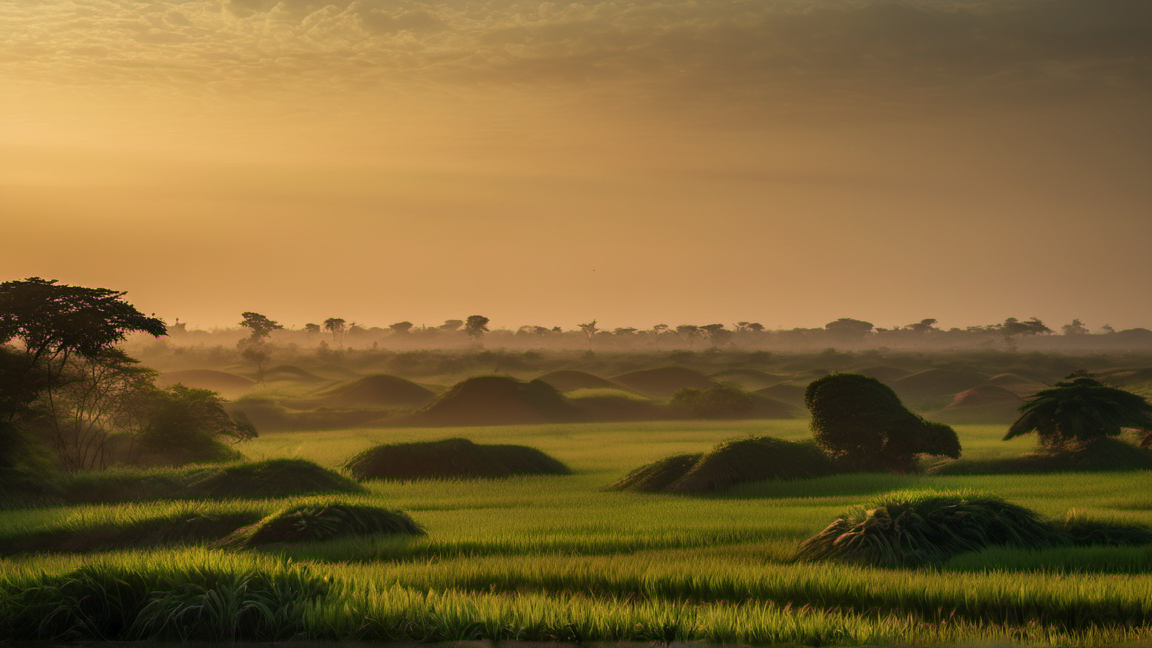
Vietnam will show you sides of Asia that you've dreamed of. Lush rice fields at the bottom of stunningly gorgeous highlands, colourful water markets on the streams of the Mekong Delta and the endless bustling city life of Hanoi, where anything from school children to fridges and huge piles of vegetables are transported on the back of countless motorcycles. Although Vietnam's huge cities are rapidly transforming into modern Asian metropolises, traditional culture is never far away.
Numerous ancient buildings remain and are actively maintained in Communist Vietnam, like the old town of Hoi An, but so are the buildings of Communist history, like the Independence Palace in Ho Chi Minh City. Also, the colonial history provides for many architectural delicacies.
Furthermore, Christianity in Vietnam. seemed to have played a big role in the presence of the numerous churches that can be found all around the country. Even though just barely 10% of the Vietnamese are Christians, churches can be found in many towns and cities, providing for some interesting and almost surreal pictures when in an often flat landscape suddenly a sometimes Gothic, but often fully white or beige church rises in the middle of the town or from between the lush green background.
Head to Hoi An with its Venice-like canals and beautiful old town for some top sightseeing. Enjoy the old port, wander through its endless winding alleys and take a pick from its countless fine restaurants and shops, or relax on the beach. Once a fishermen's village, this town's now well-protected by preservation laws and has turned into a major hot spot for visitors. Hanoi is of course the summit of Asian city life. It's an incredible myriad of ancient traditions, old and modern architecture, sounds, smells, bustling commerce and famously crazy traffic. It's chaotic and enchanting at once - a great place to discover both ancient and contemporary Vietnam. Most sights are in the Old Quarter, including the famous Hoan Kiem Lake and the beautiful Bach Ma Temple. Spend a day or two in Ho Chi Minh City, or Saigon, the country's largest city. Nowhere are contrasts between old and new more ubiquitous and alive than here, where you'll find ancient pagodas and traditional street life at the feet of giant skyscrapers. Top sights include the Reunification Palace and Giac Lam Pagoda. Also well worth visiting is the former imperial town of Hue, with its beautiful Citadel and the Tombs of the Emperors along the Perfume River. The largest beach city is Nha Trang which spreads out along the beach but also has an interesting city-scape.
Few countries are blessed with landscapes as captivating as those of Vietnam. For many, the country's awe-inspiring limestone scenery, perfect beaches, islands, mountain ranges, rice fields and lakes are its greatest treasures. One of Vietnam's top attractions, Ha Long Bay, boasts thousands of limestone pillars and islands topped with dense jungle vegetation. Among the bustling port life, you'll find floating fishermen's villages, caves, and island lakes. Neighboring Lan Ha Bay is as spectacular, but less busy. Head to Sa Pa and the Muong Hoa valley to get take in the views of local rice fields against a background of bamboo forests. Also in the north is Tam Coc near Ninh Binh. This area is famous for its karst scenery, rice fields, and caves and is best explored by hired boat.
Phu Quoc, off the Cambodian coast, is the largest island in the country. Its delightful palm-lined beaches and tropical forests can compete with any in the world. Most famous in the south is of course the Mekong Delta. Here, the Mekong River empties into the South China Sea via a maze of smaller streams. It's a lush, green region and the source of half of Vietnam's agricultural produce. It offers scenic views of the rivers and rice fields as far as the eye can see. Here, natural landscapes and culture go hand in hand as life revolves around the water. The Mekong streams are a major means of transportation and host floating markets.
Some best picks in terms of natural wonders can be found in the country's national parks. Phong Nha-Ke Bang National Park, a UNESCO World Heritage Site, is famous for its natural caves and grottos, with underground rivers and cave beaches as well as stunning stalagmites and stalactites. For wildlife, try Cuc Phuong National Park.
For better insight in Vietnam's ancient traditions, culture and history, visit one of the many museums, some with truly excellent collections. The War Remnants Museum in Ho Chi Minh City will leave a lasting impression, particularly the chilling collection of war photography. Although not exactly neutral in tone, there are English labels. The HCMC Museum is in a building worth seeing on its own, and gives a nice overview of the city's history. For a broader history collection, try the fine History Museum, which has artefacts from several Vietnamese cultures on display. In Hanoi, the Vietnam Museum of Ethnology is an excellent place to dive into the life of the country's tribal people. In the centre of town is the Fine Arts Museum has all kinds of arts on display, from high-quality wood and stone carvings to fabulous ceramics and textiles. Descriptions in English. For something completely different try the Robert Taylor Museum of Worldwide Arms in Vung Tau. This is one mans fascinating collection of arms and uniforms collected from around the world.
Trekking Vietnam is an ideal way to enjoy and experience beautiful nature of Vietnam, from the yellow farmers' terraces in harvesting season of the north (Sa Pa), to the off-the-beaten-path Central Highlands, or the frenetic activity of the Mekong Delta in the south.
Chinese chess (cờ tướng) is a popular game in Vietnam, and you will often notice the elderly having games in the public parks. If you know how to play, this can be an opportunity to befriend the locals. A uniquely Vietnamese tradition pertaining to Chinese chess is human chess (cờ người), typically played at temple and village festivals during Tết. As the name suggests, the pieces are played by humans dressed in traditional Vietnamese costumes, usually with 16 teenage boys on one side and 16 teenage girls on the other, and a choreographed traditional martial arts fight between the two pieces always ensues whenever a piece is captured.
Retreats, spas, meditation and yoga are popular in Vietnam, with Hoi An in particular becoming a hub for like-minded individuals.
Epitomized in an episode of “Top Gear” riding a motorbike in Vietnam has become a goal for many people visiting the country. While riding in Vietnam can be dangerous, it can also be a life-changing experience. You see things from the seat of a motorbike that you don't see while travelling in different type of vehicle.
Motorbiking is popular with locals and tourists alike. Given that motorbikes are the main mode of transport in Vietnam, they can give a particularly authentic view of travelling through the country. Renting or buying a bike is possible in many cities.
Major roads between cities tend to be narrow despite being major, and full of tour buses hell-bent on speed, passing slow trucks where maybe they shouldn't have tried, and leaving not much room at the edge for motorbikes. But there are many good roads and beautiful sights to be seen with the freedom of your own motorbike.
Motorbike tours are the newest addition to the motorbike hype in Vietnam. Three basic concepts exist for that:
On the most simple "tour", your luggage is taken care of and you ride the distance, e.g. Hoi An to Hue by motorbike and visit all the sights on the way. Price-wise this comes up to the same as a bus ride for the same distance, which is why many people choose this interesting alternative.
On motorbike adventure tours, you are guided on multi-day drives to remote regions of the country. Most tours include accommodation, petrol, helmets, drivers and entry tickets to local places of interest. Guides usually speak good English or French and offer customised tours if desired.
Motorbike sightseeing tours are similar but have a more local range specific to one city or area and can focus on food, shopping or sightseeing.
The national currency is the dong (đồng), sometimes denoted by the symbol "₫" (ISO code: VND). Prices are usually shown without a currency notation, e.g. as "100.000", "100k" or "100K", and in speech it's common to drop the thousands completely. Wikivoyage articles will use dong to denote the currency.
Notes are available in denominations of 1,000, 2,000, 5,000, 10,000, 20,000, 50,000, 100,000, 200,000 and 500,000 dong. Smaller bills and coins in denominations up to 5,000 dong also exist, but are rarely seen. While they are legal tender, they are difficult to get rid of if you end up with some.
ATMs are common and can be found in most cities and every tourist destination. They will accept a selection of credit and debit cards, including Visa, MasterCard, Maestro or Cirrus and several other systems. Many ATMs charge a fee per withdrawal, but a few are free. Withdrawal maximums are a problem of the past and withdrawing 5–10 million dong is not an issue anymore. To ensure you get at least some smaller note sizes, withdraw for example 4.9 million instead of 5 million. If you withdraw 5 million, you will likely receive ten 500,000 dong notes.
The ATMs of the following banks have no withdrawal fee:
VP Bank. Maximum 8 million dong each time but can withdraw up to total 15 million dong in one day, (e.g. two withdrawals of 7.5 million dong). (updated Dec 2023)
TP Bank. Maximum 5 million dong. (updated Nov 2024)
ACB. European Visa (unclear whether "Union" or continent) and JCB cards only. (updated Nov 2023)
HDBank. Visa cards only. (updated Dec 2023)
EXIMBANK. (updated Dec 2023)
The ATMs of the following banks have the listed fee per withdrawal:
Agribank. 55,000 dong. (updated May 2025)
ABBank. 20,000 dong. (updated Jan 2018)
ANZ Bank. 40,000 dong. (updated Jan 2018)
BIDV Bank. 50,000 dong plus 5,000 dong VAT. (updated Mar 2016)
DongA Bank. 20,000 dong. (updated Jan 2018)
HSBC, direct@hsbc.com.vn. 100,000 dong. (updated Aug 2016)
Techcombank. 66,000 dong. (updated Jan 2018)
VIB. 50,000 dong (and they don't warn about it!).
Vietcombank. 1.5% fee. (updated Feb 2020)
Vietinbank. 88,000 dong. (updated Jan 2026)
Sacombank. 1.5% fee. (updated Feb 2020)
Citibank has exited the retail banking market in Vietnam, with all its retail banking assets having been taken over by Singaporean bank UOB.
Credit/debit cards are now accepted more and more around the country, especially where there is a lot of tourists present. Credit/debit card purchases are required by law to be charged in dong.
A train ticket is easily payable with a credit card through the official government website for example.
Vietnamese seem to love cashless payment, and even the tiniest shop will have a QR code to submit the payment. It is unclear however whether foreigners can use this payment method.
At least the cashless payment hype is not yet at a stage where you will have problems paying with cash, like in India for instance.
If you choose to carry cash, jewellery shops and gold shops offer the best rates for all major and hard currencies (EUR, USD, AUD, SGD, GBP, etc.) and least bureaucracy. Weirdly their rates are sometimes even better than the official Interbank rate at XE.com, but generally they are very close and the procedure is straightforward. There is no form filling or passport required. Most don't advertise their service, just ask. This is vaguely illegal, but enforcement is minimal. The best place in many cities in Vietnam to find gold shops that will transact currency exchange is to head for the central food/clothing market. Try to bring the largest denomination banknotes possible (e.g. $100 for U.S. dollars, £50 for pound sterling) in as pristine a condition as possible, as you will usually get a better rate that way.
Unofficial exchange agents like hotels and travel agencies often have a considerable markup over the official Interbank exchange rate, and sometimes they have different rates for different services. Also, US$50 and US$100 notes get a higher exchange rate than notes of lower denominations. Official exchange counters however, e.g. at the airport or in the city centre, have quite competitive buy and sell rates with markups as low as 1–2%, depending on the currency. In Hanoi international arrivals hall it used to be so back in 2010s, but as of November 2024, once you exit the customs, numerous exchange offices will aggressively try to grab your attention (while also trying to sell you SIM cards), but their exchange rates are quite poor, 4-6% (1000-1500 dong per dollar) less than the actual one, even lower for small USD notes. An Agribank ATM (22,000 dong fee) located there might well be a lesser evil.
When leaving Vietnam, on most land borders connecting to Cambodia, China and Laos there are freelance money changers to take care of your financial leftovers, but be assured they will get the better of you if you don't know the going rate. In Hanoi airport, there are no money changers after you clear immigration, so exchange your dong before you enter the departure hall unless you plan to shop.
It is difficult to find or exchange dong outside Vietnam, with some notable exceptions such as Singapore or Bangkok — if you are not heading to either of those places, you should get rid of any leftovers before leaving the country.
Traveller cheques of well-known companies are accepted, but usually a small fee is charged. Fees might also be the only thing that would keep you from getting cash advances on Visa- or MasterCard at most banks. Through both ways you can also get hold of U.S. dollars, though there will be even higher fees. There are mentions in some popular travel books about Vietcombank not charging any commission fees to cash American Express travellers cheques. However, this is no longer true.
There are branches of money transfer companies like Western Union, but this is always one of the more expensive ways to get money. However, it's better for larger amounts. A US$800 transfer costs US$5 from America and the exchange rate is quite good.
Prices are sometimes advertised in U.S. dollars, but payment is almost always expected in dong only, especially outside major tourist destinations. It is easier to bargain with dong, especially since dollar prices are already rounded. If paying with dollars, bills in less than perfect condition may be rejected. US$2 bills (especially those printed in the 1970s) are considered lucky in Vietnam and are worth more than US$2. They make a good tip/gift, and many Vietnamese will keep them in their wallet for luck.
Tipping is not practised by the Vietnamese themselves and generally not expected, though tips will not be refused if offered. Some establishments which are used to serving Western tourists have come to expect tips, though it is still perfectly acceptable not to tip. In any case, the price quoted to you is often many times what locals will pay, so tipping can be considered unnecessary in most circumstances. To avoid paying an involuntary tip when a taxi driver claims he doesn't have small change always try to carry small denominations.
Foreign visitors may claim a VAT refund provided they make the purchase at a participating shop, and leave the country through specific ports of exit.
As you travel about, you will find there are clusters of shops all selling similar goods, such as 20 sewing machine shops together, then 30 hardware shops all together, 200 motorcycle repair shops in the same block. Prices are competitive.
However, overcharging has long been an issue in Vietnam tourism, and it is an issue both for foreigners and for Vietnamese people whose accents identify them as being from another region. It can happen anywhere on anything from a hotel room, a ride in a taxi, coffee, a meal, clothing, or basic grocery stuff. Your coffee suddenly becomes 100% more expensive and a restaurant may present you an English menu with inflated prices. A friendly local who spent 30 minutes talking with you may also feel like overcharging you on anything.
Vietnamese hold a diverse view on this issue, and the practice also varies somewhat from region to region, but in general it is more common in Vietnam than other neighboring countries to see it socially acceptable to overcharge foreigners. They may argue inflated prices are still cheap and they may blame the cheap cost of living which attracts a lot of backpackers with bare-bone budgets. According to this school of thought, if tourists complain about it, it's because they are stingy. Rich tourists should not have a problem being overcharged.
In general, in the south, while vendors have no qualms overcharging an ignorant foreigner, they will generally allow you to bargain prices down to the local price if you know what it is and insist on it. On the other hand, vendors in the north tend to hold more strongly onto the belief that foreigners should be overcharged, and they will usually refuse to sell items to you unless you agree to pay the grossly inflated foreigner price.
The good news is that standard prices are much more common than in the early 1990s. You will absolutely spoil your trip if you assume that everyone is cheating you. Just try to be smart. In a restaurant, learn some names of common dishes in Vietnamese, insist that you need to read the Vietnamese menu, and compare it. If owners argue that the portion of dishes in the English menu is different, it's definitely a scam so move to another place. Learn some Vietnamese numbers and try to see how much a local pays a vendor. The old bargaining tactic of proposing a price, if you are sure that it is a fair and appropriate price that a local would get, and walking away often does the trick, if you are willing to actually walk away.
Shopping in supermarkets is much less common in Vietnam than in Europe and North America, or even in China or Thailand. Most grocery shopping for local still happens in traditional street markets.
Nevertheless, there exist supermarkets and convenience stores in most places, and they are constantly becoming more. Foreign companies are pushing into the market, like the Thai supermarket chain Big C, which also sells clothing items and household goods. Other supermarket chains are OK!, WinMart, Circle K, Family Mart, and Bách Hóa XANH — the latter, mostly available in the south and probably the most inexpensive one, popular for its evening fruit, meat and fish specials —, besides many smaller and privately run convenience stores.
Traditional street and covered markets are still thriving though, especially for produces — much as they do in Thailand for example. Supermarkets are generally more expensive when it comes to produces, but can be cheaper for packaged products and beverages.
Vietnam is cheap by Western standards. A month's stay can be as cheap as €300–350 using basic rooms (100–140,000 dong), local food (100–150,000 dong) and public transportation (50,000 dong).
Food is at the very core of Vietnamese culture: every significant holiday on the Vietnamese cultural calendar, all the important milestones in a Vietnamese person's life, and indeed, most of the important day-to-day social events and interactions - food plays a central role in each. Special dishes are prepared and served with great care for every birth, marriage and death, and the anniversaries of ancestors' deaths. More business deals are struck over dinner tables than over boardroom tables, and when friends get together, they eat together. Preparing food and eating together remains the focus of family life.
Yelp and Tripadvisor are not widely used by locals in Vietnam, and reviews on those directories are usually posted by tourists. Foody is the go-to restaurant rating directory for the Vietnamese, and also functions as a food delivery and restaurant reservation app. While the interface is available in English, the downside is that almost all reviews are in Vietnamese.
Vietnamese cuisine varies from region to region, with many regions having their own specialties. Generally, northern Vietnamese cuisine is known for being subtle, central Vietnamese cuisine is known for being spicy, while southern Vietnamese cuisine is known for being sweet. There is also distinctive Vietnamese-Chinese cuisine to be found in Ho Chi Minh City's Chinatown.
At the same time, the Vietnamese are surprisingly modest about their cuisine. (An old proverb/joke says that "a fortunate man has a French house, a Japanese wife, and a Chinese chef.") High-end restaurants tend to serve "Asian-fusion" cuisine, with elements of Thai, Japanese, Chinese, and occasionally French mixed in. The most authentic Vietnamese food is found at street side "restaurants" (A collection of plastic outdoor furniture placed on the footpath), with most walk-in restaurants being mainly for tourists. Distinct regional styles exist: northern, central, and southern, each with unique dishes. Central style is perhaps the most celebrated, with dishes such as mi quang (wheat noodles with herbs, pork, and shrimp), banh canh cua (crab soup with thick rice noodles) and bun bo Hue (beef soup with herbs and noodles).
Many Vietnamese dishes are flavoured with fish sauce (nước mắm), which smells and tastes like anchovies (quite salty and fishy) straight from the bottle, but blends into food very well. (Try taking home a bottle of fish sauce, and using it instead of salt in almost any savoury dish: you may be pleasantly surprised with the results.) Fish sauce is also mixed with lime juice, sugar, water, and spices to form a tasty dip/condiment called nước chấm, served on the table with most meals. Vegetables, herbs and spices, notably Vietnamese coriander or cilantro (rau mùi or rau ngò), mint (rau răm) and basil (rau húng), accompany almost every dish and help make Vietnamese food much lighter and more aromatic than the cuisine of its neighboring countries, especially China.
Vietnam's national dish is phở (pronounced like the fu- in funny, but with tone), a broth soup with beef, pork, chicken or seafood and rice noodles (a form of rice linguine or fettuccine). In the south, phở is normally served with plates of fresh herbs (usually including Asian basil), cut limes, hot chilies and scalded bean sprouts which you can add according to your taste, along with chili paste, chili sauce, and sweet soybean sauce, while in the north, it is usually served only with fried quẩy fritters and chilli sauce on the side. Phở bò, the classic form of phở, is made with beef broth that is often simmered for many hours and may include one or more types of beef (skirt, flank, tripe, etc.). Phở gà is the same idea, but with chicken broth and chicken meat, so is Phở thit lon with pork, Phở tom with shrimp, Phở ca with fish, and Phở chay with tofu and vegetable stock. Phở is the original Vietnamese fast food, which locals grab for a quick meal. Most phở places specialize in phở and can serve you a bowl as fast as you could get a Big Mac. It's available at any time of the day, but locals eat most often Phở chay for breakfast. Famous phở restaurants can be found in Hanoi. The phở served at roadside stalls or informal restaurants tend to be cheaper and taste better than those served in fancier restaurants.
Street side eateries in Vietnam typically advertise phở and cơm. Though cơm literally means rice, the sign means the restaurant serves a plate of rice accompanied with fish or meat and vegetables. Cơm is used to indicate eating in general, even when rice is not served (i.e., An cơm chua? - Have you eaten yet) Though they may look sketchy, street side eateries are generally safe so long as you eat at places popular among the locals and avoid undercooked food. Many street food stalls do not display their prices; those outside tourist areas usually charge foreigners honestly, but
ask for the price before you order to be sure.
In rural and regional areas it is usually safest to eat the locally grown types of food as these are usually bought each day from the market. It is not uncommon that after you have ordered your meal a young child of the family will be seen running out the back towards the nearest market to purchase the items.
Most restaurants/cafes in Vietnam will have a bewildering variety of food available. It is very common for menus to be up to 10-15 pages. These will include all types of Vietnamese food, plus some token Western food, possibly some Chinese-style ribs and maybe a pad Thai as well. It is generally best to stick with the specialty of the area as this food will be the freshest and also the best-prepared. As in other South East Asian countries, the menu is often more an indication of what a restaurant can cook and not all items may be available at any given time.
In restaurants it is common practice for the wait staff to place a plastic packet (stamped with the restaurant's name) containing a moist towelette on your table. They are not free. They cost 2,000–4,000 dong. If you open it, you will be charged for it. Also, peanuts or other nuts will be offered to you while you are browsing the menu. Those are not free, either. If you eat any, you will be charged.
Coffee, baguettes, and pastries were introduced by the French colonisers, but they have been localised and remain popular. More on cà phê below, but coffee shops that also serve light fare can be found in almost every village and on many street corners in the bigger cities. Bánh mì are freshly baked baguettes, most commonly filled with grilled meats or liver or pork pâté plus fresh herbs and vegetables as bánh mì thịt, but there are countless variations filled with egg, beef, meatballs, pork skin etc. They are delicious and should be enjoyed at least once during a visit, and can easily be found from the bánh mì carts that are ubiquitous on the streets of Vietnam.
Vietnamese waters are in danger of collapse from over-fishing. Nevertheless, for the moment if you like seafood, you may find bliss in Vietnam. The ultimate seafood experience may be travelling to a seaside village or beach resort area in the south to try the local seafood restaurants that serve shrimp, crab, and locally-caught fish. Follow the locals to a good restaurant. The food will still be swimming when you order it, it will be well-prepared, very affordable by Western standards, and served in friendly surroundings often with spectacular views.
Most restaurants' hours are 10:00-22:00, although places serving breakfast-type items like noodles will open and close earlier. In 24-hour restaurants, there will be two prices. Prices are normal from 06:00 to 22:00, then doubled from 22:00 to 06:00. For example, rice usually costs 10,000 dong, but if you order after 22:00, the price will be 20,000 dong. This policy is government-mandated, to discourage people from eating late. Some dishes are not served after 22:00.
Cuisines other than Vietnamese, as well as fast foods, are increasingly available in the larger cities in the South and Central regions, less so in the North. Chinese, Japanese, Korean, Thai, Lao and other Asian restaurants are commonplace and Italian, French, German, Mexican, Russian, Ukrainian and Armenian restaurants can be found in most large cities in the South and Centre, as well as British, Irish an Australian food in bars and pubs. There is usually at least one Indian restaurant in most large towns and cities all over the country, many offering excellent quality food. Increasingly more affluent Vietnamese are sampling the different cuisines now available in their country so the chances of eating in a tourist ghetto are diminishing.
Vegetarian food is quite easy to find anywhere in Vietnam due in large part to the Mahayana Buddhist influence, and all Vietnamese Buddhist monks are required to be vegetarian. Vietnamese Buddhist vegetarian food also avoids the "five fetid vegetables" (onions, garlic, shallots, leeks and chives), as these are believed to have aphrodisiac effects than inhibit one's ability to meditate on the Dharma. Vegetarian eateries range from upscale restaurants to cheap and basic street stalls. Any Vietnamese dish with meat can be made vegetarian with the addition of fake meats. Besides the Buddhist influence of two vegetarian days a month, Cao Dai people eat vegetarian for 16 days. Look for any signs with the word chay as a suffix, like cơm chay for vegetarian rice dishes, phở chay for vegetarian pho, or bánh mì chay for vegetarian sandwiches. The words quán chay and nhà hàng chay literally translate as "vegetarian restaurant". It is also helpful to remember the phrase "ăn chay", essentially meaning "I am a vegetarian". Even if you are not a vegetarian, a visit to a Vietnamese vegetarian restaurant will add a few new flavours that you won't find elsewhere. Also vegetarian food tends to be cheap which can help eke out the most hardened meat eaters budget. Be careful at regular stalls and restaurants though, as even dishes that seem vegetarian on the surface can sometimes make use of non-vegetarian seasonings such as fish sauce. As Vietnamese food traditionally does not use dairy products, vegetarian food in Vietnam is usually safe for vegans, but be careful to make sure it does not contain eggs.
Halal food is rare in Vietnam due to the small size of the Muslim community. Halal restaurants are mostly concentrated in Ho Chi Minh City and Hanoi, many of which are operated by immigrants from South Asia, Indonesia or Malaysia. The Mekong Delta and Ho Chi Minh City are also home to Muslim Cham communities, some of whom operate food stalls serving halal versions of Vietnamese street dishes for their respective communities. Kosher food is nearly unknown; if you keep kosher, contact Chabad Vietnam well in advance of your trip for assistance.
Drinking in a Vietnamese bar is a great experience. One of the interesting things is that during the day, it is almost impossible to see a bar anywhere. Once the sun goes down though, dozens appear on the streets out of nowhere.
Watch out for ice in drinks. Factory-made ice is generally safe, but anything else can be suspect. Factory ice has a hollow, cylindrical shape. Avoid irregular chunks of ice as it may be unclean.
The main brews are light lagers with a strength of 4.5–4.9%. In supermarkets a 0.33L can of beer starts at 10,000 dong. Some cheap beers in plastic bottles (0.9L) can be had for 15–18,000 dong. "Saigon" in a 0.45L glass bottle starts at 11,000 dong, but sometimes a deposit of 3,000 dong is added. A beer in a bar starts at around 20,000 dong.
The most popular beer (draught, bottle or can) among the southern Vietnamese is Saigon Do (Red Saigon). For the northern Vietnamese Bia Hanoi (Hanoi beer) is the most popular brand, whereas central Vietnamese prefer Bière Larue from Da Nang or Bia Huda from Hue. 333, pronounced "ba-ba-ba" is a local brand, but it's somewhat bland; for a bit more flavour, look for Bia Saigon in the green bottle and a bigger bottle than Bia Saigon Special. Bia Saigon is also available as little stronger export version. Locally brewed foreign brands like Tiger and Heineken are also common.
The craft beer revolution has well and truly reached Vietnam and bottled IPAs, brown beers and stouts are available in the major cities. Ho Chi Minh boasts an increasing number of brew-pubs and microbreweries. These brews are available at a fraction of the price they cost in Thailand or Singapore.
Beer in Vietnam is usually served in glasses filled with (and is thus drunk with) ice. This means that the cans or bottles of beer need not be chilled. If you are drinking with Vietnamese people, it is considered polite to top up their beer/ice before re-filling your own drink. It is also considered necessary to drink when a toast is proposed: "mot, hai, ba, do" ("one, two, three, cheers"). Saying "Trăm Phần Trăm" (100% 100) implies you will empty your glass.
Cafés are ubiquitous all over the country. Chains like Highlands Coffee and Trung Nguyen can be found in major cities and urban areas with reasonable prices. They provide free Wi-Fi and people don't just drink coffee, they also sit around and work. They are also a good place to meet friends and conduct professional meetings. Smaller towns have local coffee shops, which make tasty coffee at cheap prices.
Vietnamese (iced) coffee (Cà Phê). 15–25,000 dong. is one of the most famous drinks in Vietnam (and around the world), popular among locals and tourists alike. Vietnamese coffee beans are fried, not roasted, giving them a very distinctive taste.
Coffee is usually served black (Cà Phê Đen (Đá)) or with sweetened condensed milk (Cà Phê Sữa (Đá)) — usually over ice (Đá). Ask for (Cà Phê) Nóng if you want your coffee hot without ice. Some people may add extra water with the hot version (see picture) to make the coffee less strong — the ice version gets less strong automatically. Also, locals tend to drink their Cà Phê Đen incredibly strong with up to 4 teaspoons of sugar. If you want black coffee without sugar, say so.
However, the slow dripping coffee through the metal filter seems distinct for tourist frequented places. Normal Vietnamese don't take or have the time to prepare nor wait that long. Hence, in less touristy places you will have a hard time finding the slow-filter version, they often won't have these filters and just serve already prepared coffee, often with the condensed milk already in the glass. If you want the milk separately, say so.
Take-away coffee (Cà Phê Mang Đi) with ice in a plastic cup and straw along the street can already be had for 10–12,000 dong.
Egg coffee (Cà Phê Trứng) is a local speciality In Hanoi. In case, your itinerary doesn't include Hanoi, it is available in other cities too.
A late addition to the coffee culture of Vietnam and often served for take-away are Cà Phê Muối (salted coffee) and Cà Phê Cốt Dừa (coconut coffee), basically a Cà Phê Sữa Đá topped with a cool mountain of salty whipped cream or sweet fluffy coconut slush, respectively. These are especially popular with the younger generation, but also tourists enjoy them.
Coconut water directly from the coconut is popular all around the country. After drinking the water, let the seller open the coconut, ask for a spoon, and enjoy the sometimes jelly-ish inner coconut meat. (If the coconut is too mature, the meat will be very hard and you are out of luck using the spoon, but the seller will know.)
Nước Mía, or sugar cane juice, is served from distinctive metal carts with a crank-powered sugar cane stalk crushers that release the juice.
Sinh Tố is another fabulous thirst quencher, a selection of sliced fresh fruit in a big glass, combined with crushed ice, sweetened condensed milk and coconut milk. You can also have it blended in a mixer. You could place any fruit-type after the word sinh tố, e.g., sinh tố bơ (avocado smoothie) or sinh tố dứa (pineapple smoothie). If you prefer to have orange juice, you won't use the word sinh tố but nước (literally: water) or nước cam if you would like to have an orange juice. Juices are usually without condensed milk or coconut milk.
Chè Thái (Thai tea), Trà Trái Cây (fruit tea), or Trà Sữa (milk tea) are tea-based (chè, trà) dessert mix drinks made with various jellies, assorted tropical fruits, crushed ice, and (condensed) milk — kind of an advanced bubble tea, refreshing and colorful with a variety of textures, but it can be quite sweet if you don't watch it. Various word combinations exist to denominate this kind of drink.
Vietnamese "rượu đế" or rice alcohol (rượu means liquor or wine [not beer]) is served in tiny porcelain cups often with candied fruit or pickles. It's commonly served to male guests and visitors. Vietnamese women don't drink much alcohol, well at least in public. It's not recommended for tourists.
Dating back to French colonial times, Vietnam adopted a tradition of viticulture. Dalat is its centre, and you can get red and white wine. There is a better range and better quality red wines than whites as reds seem to appeal more to the Asian palate. Most restaurant wine is Australian and you will be charged Australian prices as well, making wine comparatively expensive compared to drinking beer or spirits. Vietnamese wine has hit the mass market and is available by the glass or bottle in many restaurants. The quality ranges from the just-about-drinkable Vang Dalat Classic to the more than palatable Vang Dalat Premium. In supermarkets a bottle of Classic can be bought for around 80,000 dong whilst Premium is around 120,000. In restaurants a bottle of Classic costs 120,000–150,000 dong. Premium is less widely available in restaurants and where it is costs around 200,000 dong a bottle.
Imported wines, mainly Australian, French and Chilean are also available in supermarkets and in mid range and high end restaurants at far more expensive prices.
Rice spirits and local vodka is cheap in Vietnam by Western standards. Local vodkas cost about US$2-4 for a 0.75L bottle. Russian champagne is also common. When at Nha Trang, look for the all-you-can-drink boat trips for around US$10-15 for an all-day trip and party with on-board band.
Lodging is not an issue in Vietnam, even if you are travelling on a tight budget. Accommodation in Vietnam ranges from 100,000-dong dorm accommodation in hostels to world-class resorts, both in large cities and in popular coastal and rural destinations. Even backpacking hostels and budget hotels are far cleaner and nicer than in neighboring countries (Cambodia, Thailand, Laos). And even cheap hotels that charge as little as 250,000 dong for a double room are often very clean and equipped with towels, clean white sheets, soap, disposable toothbrushes and so on.
Service in many of the very inexpensive hotels is quite good (since the rate that a person pays per night could equal a typical Vietnamese national's weekly pay), although daily cleaning and modern amenities like television may not be provided. In hotels costing a few dollars more (300,000+ dong, more in Hanoi) you can expect an en-suite bath, telephone, AC and television. As with hotels elsewhere in the world, mini-refrigerators in Vietnamese hotels are often stocked with drinks and snacks, but these can be horribly overpriced. You are much better off buying such items on the street. Adequate plumbing can be a problem in some hotels, but the standard is constantly improving.
It is a legal requirement that all hotels register the details of foreign guests with the local police. For this reason they will always ask for your passport when you check in. The process usually only takes a few minutes, after which they will return your passport. However, because non-payment by guests is by no means unknown, some hotels retain passports until check-out. If a place looks dodgy, then ask that they register you while you wait and take your passport with you afterwards. Few people have had a problem with this as it is routine across the country. You might find it helpful to carry some photocopies of your passport (personal data page and visa) which you can hand over to the hotel.
Hotels can be noisy, particularly when local families are staying. Vietnamese is one of the world's more vocal languages, and local tourists are happy to give full vent to it from 06:00 onward with scant regard for fellow guests. There are also a number of other sounds to be aware of when staying in Vietnamese hotels. Vietnam is a country under construction and the chance of the hotel being next to or very close to a building site is high. Also rooms in many small boutique hotels, guesthouses and home-stays are built fronting a central atrium or stairwell and the activities of the reception, common area and kitchen contribute more noises. Finally, there are the room-maids who start work soon after dawn and seem to think that you should be awake by then and consequently feel free to chat with each other at a loud volume and send and receive messages on mobile phones and walkie-talkies. If you are a light sleeper, bring a supply of earplugs.
If you want to meet local people, stop by a school. In Ho Chi Minh City, visit the American Language School, where you'll be welcomed enthusiastically and invited to go into a class and say hi. You'll feel like a rock star. The Vietnamese love to meet new people, and teachers welcome the opportunity for their students to meet foreigners.
An excellent novel set in modern-day Vietnam is Dragon House by John Shors. It's the story of two Americans who travel to Vietnam to open a centre to house and educate Vietnamese street children.
Former BBC reporter in Hanoi, Bill Hayton, has written a good introduction to most aspects of life in Vietnam, the economy, politics, social life, etc. It's called Vietnam, Rising Dragon, published in 2010.
Vietnam also has numerous universities for people who wish to pursue higher education. The most prestigious among them is Vietnam National University, Hanoi, which was founded by the French as Université Indochinoise in 1906. Other notable universities include Vietnam National University, Ho Chi Minh City and Hanoi University of Science and Technology
You can volunteer as an English teacher through many volunteer organizations. However, if you have a TEFL/TESOL qualification and a degree then it's very easy to find paid teaching work. Without qualifications it's also possible to find work, but it takes more patience to find a job, and often there are concessions to make with payment, school location and working hours (weekends). Most teaching jobs will pay US$15-20 an hour. There are also many you-pay-to-volunteer organisations which allow you to help local communities, such as Love Volunteers, I to I and Global Volunteers. (But you must avoid some organized fraud. Ex: V4D, VTYD, RAKI, VVN...) Vietnam also has a booming tech startup scene, so opportunities may be available for people with expertise in computer science or other closely-related fields.
Legally, a work permit is required to work in Vietnam, although many foreigners do not bother, especially if the intention is to work for only a short period of time. Visa extensions are generally easy to obtain (your school will have to do this for you) although the immigration department will eventually insist on you obtaining a work permit before any more visas are issued. If your aim is to remain for a longer term, then it is possible to obtain a work permit although your school will need to do this for you. To apply, your employer will be required to submit the following: A contract and application letter from your school; a full, medical health check (done locally); a criminal record check (the criteria for this varies from province to province, some requiring a check from your home country, others, a check done solely in Vietnam); a copy of your TESOL/CELTA/TEFL and degree certificates; your 'registration of stay' form; a copy of your passport/visa. Sometimes, you may be asked to pay a small fee although the better schools will generally offer to do this for you. Work permits are valid for 3 years and are renewable for a period of up to 12 years.
Once you have a work permit, it is then a relatively simple process to apply for a temporary residence permit, which will alleviate your visa worries. The validity and procedure for renewal is the same as a work permit.
Vietnam has made a huge leap forward in terms of economic development and tourism, and many of the most feared annoyances are minor concerns. Vietnam is still a poor country, though. Tourists are considered money mules, and milking them is no crime. Nevertheless, outside of tourist hotspots, crime and scams against foreigners are rare.
As a legacy of the Indochina Wars, much of Vietnam's countryside is still littered with unexploded bombs and landmines, and many locals are still killed or maimed by them. Be very careful about going off the beaten path in rural areas, and ideally do not do so unless you have a guide who knows the area well.
Vietnam is a relatively safe place for tourists, especially when travelling in groups. It will also depend on your nationality whether you may encounter issues — large western men are much more intimidating than smaller Japanese women, see cyclo scam.
Tourist areas are hotspots of petty crime. Violent crime towards foreigners is uncommon, but pickpockets and motorbike snatching are not uncommon in larger cities. Thieves on motorbikes snatch bags, mobile phones, cameras, and jewellery from pedestrians and other motorbike drivers. Don't wear your bag on your shoulder when riding a motorbike. Don't place it in the motorbike basket. When walking along a road, keep your bag on your inboard shoulder. If your bag is snatched, don't resist to the point of being dragged onto the roadway.
Reports of thefts from hotel rooms, including upmarket hotels, have been heard occasionally. Do not assume that your hotel room strongbox is inviolable.
Avoid fights and arguments with locals. Westerners may be bigger than Vietnamese, but if you're dealing with 5 or more Vietnamese guys then you're in serious trouble. Yelling is highly insulting to Vietnamese and may prompt a violent response. Vietnamese in general are placid and kind. As a visitor, you should respect local laws and customs. Altercations can be avoided easily by showing courtesy and tolerating cultural differences. Be on your best behaviour when drinking with Vietnamese men.
The international monitoring group Transparency International has rated Vietnam as one of the most corrupt nations in Asia. Locals are convinced that the police are not to be trusted.
Motorcycle drivers may be stopped for a variety of reasons such as random checks of paperwork and licenses and will fine foreigners around US$20 for each offence (the average traffic fine for locals is around US$5-10). Be polite but resolute, and stand your ground. Traffic officers are required to write traffic violations in their notebook and must give you a receipt for your fine which must then be paid at the station (not to the officer). For some offences (especially missing paperwork relevant to the vehicle you are riding), officers have the right to confiscate and impound your bike. If you have a phone, you could threaten to call your embassy and he may back down, although in most cases, it is often best to prevent any further escalation of the situation by paying the fine.
You generally won't encounter any problems with the police in more remote or rural areas because officers are likely to have a very poor command of the English language. The larger cities and areas that are frequented by tourists have more police who are proficient in communicating with tourists.
Immigration officers at land borders are known to demand bribes to stamp you in or out of the country. Refusing to pay the bribe will usually mean you are denied entry or not allowed to leave. The reputable bus companies will often charge a "border crossing fee" for their international routes, staff usually process you through immigration while you wait on the bus, and any bribes are included as part of that fee.
Most government offices will also require a small "gratuity" before processing paperwork. This is most commonly encountered when trying to obtain permits of residence for private accommodation, work or residence permits.
Despite its seeming abundance, prostitution is illegal in Vietnam. The age of consent is 18. Vietnamese penal law levies penalties of up to 20 years in prison for sexually exploiting women or children, and several other countries have laws that allow them to prosecute their own citizens who travel abroad to engage in sex with children.
Under Vietnamese law, it is illegal for a foreigner to take a Vietnamese national to a hotel room. While this law is rarely enforced, you could find yourself in even deeper water if you report a crime disclosing that you shared a room with a Vietnamese national.
HIV/AIDS is prevalent in Vietnam, and many people go untreated due to the taboo nature of the disease. There is also a danger of theft when taking any unfamiliar woman back to a hotel or guest house. The tale of a man waking up to find his wallet, mobile phone or laptop missing is all too common. Stories also abound of Westerners being drugged while in a hotel room or being led to a dark, quiet place where they are relieved of their possessions by criminal gangs.
Most scams in Vietnam involve transportation, hotel prices, or the two-menu system practised by some restaurants.
If you don't know what a reasonable fare is, it is generally a bad idea to agree on a price in advance. Rule of thumb to detect scammers: if the taxi doesn't have the fare charges written, or drivers name and photo on the dashboard, immediately ask the taxi to stop and get out. It is a definite scam.
As always, it is advisable to walk a hundred meters away from any tourist deposit point (bus arrival, train station etc.), as many taxi waiting here are either scammers or pay a commission to the cartel.
Many taxi drivers in Saigon and Hanoi try to overcharge newly arrived gullible travellers. When leaving the airport, the taxi driver may insist that you pay the airport toll. He might not be very forthcoming with the price, and if you give him cash, he will pay the toll and pocket the rest. The toll is 10,000 dong (July 2018) and having the correct money will avoid you getting fleeced. The toll is quoted along with the fare written on the dashboard of the taxi. You can confidently say "airport toll only 10,000 dong" and refuse to pay anything else such as parking (unless there were more toll roads in between).
Ask your hotel or hostel to arrange taxi services for you. This will ensure that you get a flat quoted rate as well as a trusted driver. Many hotels will be happy to arrange pick up and drop off from airports if you ask. Nevertheless, this can be more expensive than if you arrange it directly yourself, because the hotel will always try to cut into the deal, earning a little extra.
In several other cities of Vietnam, such as Dalat, Hoi An, Nha Trang, etc., do not travel by meter from the airport. The airports are as far as 30–40 km from these places and meter will cost you from 500,000–650,000 dong. However, you can either take a bus from the airport to city centre, or pre-negotiate a rate with the taxi for 200,000–300,000 dong. Pay attention to sides of taxis. Usually a rate for the airport is written on the door. Around town in these cities, metered taxis generally work fine.
If you ever get caught in a big taxi scam (such as rigged meter), you should get out of the vehicle and retrieve your belongings as if everything was all right, then refuse to pay the demanded price and threaten to call the police. Usually they will accept a more reasonable fare, but be prepared to face the driver's anger, so it is better to do this with a few witnesses around.
Taxi and cyclo drivers may claim that they don't have change when accepting payment for an agreed-upon fare. The best way to handle this is to either carry smaller bills or be ready to stand your ground. Generally, the driver is only trying to get an extra dollar or so by rounding the fare up, but to prevent this scam from becoming more popular it is advised to stay calm and firm about the price.
When you meet an over friendly cyclo driver who says, "never mind how much you would pay" or "you can pay whatever you like at the end of the trip". He may try to show you his book of comments from international tourists. This kind of driver has to be a scammer. If you still want to use his service you should make it clear about the agreed price and don't pay more than that. Just be clear what you are willing to pay. The cyclo drivers are just trying to make a living.
Hotel owners may tell you that the room price is 200,000 dong. However, when checking out, they may insist that the price is US$20, charging you almost double. Another trick is to tell customers that a room is a few dollars, but following day they will say that price was for a fan room only and it's another price for an air-con room. These days, legitimate hotel owners seem to be aware of these scams and are usually willing to help by writing down how much the room is per person per day (in U.S. dollars or dong), if it has air-con or not. Staff of legitimate hotels also never ask for payment from a guest when they check in. Watch out if they insist that you should pay when you check out but refuse to write down the price on paper. Otherwise, just book online with one of the common reservations websites, which will guarantee you the right price, and leave a review if something goes wrong.
As of 2019 most of the dollar versus dong scams have ended as almost all hotels now quote in dong and accept dong. Keep your dollar stash hidden and deal only in dong. Also as of 2019 quite a few low- to mid-range hotels do require payment upfront and as long as you get an official receipt there is nothing to worry about in this.
Some restaurants are known to have two menus, one for local people and another one for foreigners. The only way to deal with it is to learn a few Vietnamese phrases and insist that you should be shown only the Vietnamese menu. If they hesitate to show you the local menu, walk away. This scam is very unusual.
Some hostels in Vietnam will want you to leave your passport at the reception, insisting even. This is not a legitimate business practice. Never leave your passport as collateral for anything.
Besides accommodation and transport, another big scam in Vietnam involves copycat tour companies and restaurants. Anytime a company gets famous, copycats will pop out. A very famous example is the dozens of Sinh Cafes (bus company), which popped up. The real company has since changed its name to TheSinhTourist.
Buddhism in Vietnam generally follows the Mahayana school, meaning that the monks are required to be vegetarian and generally do not go on alms rounds. Instead, the monks either grow their own food or buy their food using temple donations. Monks do not sell religious items (shops selling religious items are staffed by laypersons, not by monks) or ask people for donations. Instead, donations are to be placed in temple donation boxes. It is entirely up to an individual to decide whether or not they wish to donate, and how much they wish to donate, and genuine temples will never use high-pressure tactics to solicit donations. "Monks" who approach tourists for donations are imposters.
The first discovery for many tourists who just arrive in Vietnam is that they need to learn how to cross a road all over again. You may see a tourist standing on the road for five minutes without knowing how to cross it. Traffic in Vietnam can be a nightmare. Back home, you may never witness the moment of crash, seeing injured victims lying on the road, or hearing a BANG sound. Staying in Vietnam for more than a month, you will have fair chance of experiencing all these.
Roads are packed. Some intersections in main cities such as Hanoi, Ho Chi Minh City have traffic lights patrolled by police; most are either non-functional or ignored.
Crossing roads is an art in most of Vietnam, and there are no stop signals that will actually be followed by drivers. The art of crossing the road is fortunately very simple, though scary:
There are some traffic lights and pedestrian crossings but they are by no means everywhere.
If it is night time, and you are wearing dark clothes you should cross in a bright area or shine a torch towards the traffic
If there is a bus, car or taxi, wait until it and its motorcycle entourage passes, as vehicles will not stop for pedestrians
Ensure you, your fellow travellers and every piece of your luggage form an almost perfect line parallel with the traffic
There is no 'ideal' time to start although you could pick a time with a little less traffic
Step a little forward, a little more, and you will see motorcycle drivers to slow down a bit, or go to another way. Make your pace and path predictable to other drivers, don't change your speed or direction suddenly, and move forward until you arrive at your destination. Be aware that motorcycle drivers will swerve to avoid you but might swerve into your path.
The simplest and best way to cross streets is to make yourself known and be steady. This means spread your arms out and walk at a steady pace. The locals will route around you. They are extremely skilled drivers and will avoid hitting you; just be sure to walk at a steady pace.
Cars, buses and trucks can do you far more damage than motorcycles where the odds are much or even. Wait for anything with four or more wheels to pass and then take on the motorcycles.
The simplest way, if available, is to follow a local, stand next to them on the opposite side of the traffic (if you get hit, he will get it first) and he will give you the best chance of crossing a road.
If you are injured, don't expect the local people to help, even by calling an ambulance, because it is not free. Make sure you tell the local clearly that you will pay the ambulance fee. Hospitals will also not admit you until you prove that you can pay the bill.
Highways are risky, with an average of 30 deaths a day, and some locals will not even venture on them if not in a big vehicle (car or bus). Taking a bicycle or motorbike on highways is an adventure for risk takers, but definitely not for a family with children. Having said that, Vietnamese roads are no more dangerous than elsewhere in South East Asia.
Petty crime in nightclubs is not unknown. Don't escalate an incident: avoid quarrelling with local people as drunks can be violent.
Clubs are full of working girls trawling for clients. They may also be looking for wallets and mobile phones.
Walking very late alone on the streets in the tourist areas is safe, but avoid unfamiliar women engaging you in conversation. They may try to touch you, sweet talk you, and then pick your pocket.
Don't ask taxi drivers to recommend nightspots. Most taxi drivers earn commissions from bars and lounges to bring in foreign tourists. When you walk into one of these places, they will quote reasonable prices, but when you receive the tab, it may include extravagant charges. Do your homework beforehand, tell the taxi driver where you want to go, and insist on going to where you want to go despite their remonstrations. Most nightspots are reputable. Going to those with a mostly foreign clientele is a good practice.
Little wildlife remains, let alone anything dangerous to humans. Venomous snakes, such as cobras, may still be common in rural areas, but virtually everything else has either become extinct or exists in such small numbers that the chances of even seeing one are remote. Tigers may exist in very small numbers in remote areas, but this is unconfirmed.
Vietnam is generally a safe destination for LGBT travellers, and there are no laws against homosexuality in Vietnam. Transgender persons are allowed to change their legal gender after undergoing sex reassignment surgery. That being said, same-sex relationships are not recognised by the government, and the Vietnamese can be rather conservative, meaning that LGBT individuals can often be subject to some degree of prejudice. Fortunately, anti-LGBT violence is extremely rare.
Insulting national heroes such as Ho Chi Minh and Vo Nguyen Giap is illegal in Vietnam, and many foreigners have been jailed for doing so.
Tropical diseases such as malaria, dengue fever and Japanese encephalitis are endemic in rural Vietnam. Malaria isn't as much a concern in the bigger
cities such as Ho Chi Minh City and Hanoi, but always remember to take liquid mosquito repellent with you. It may be very useful, especially in the countryside and crowded neighborhoods.
Street food, including blended ice drinks, and food in restaurants is mostly safe to be consumed due to much improved hygiene. Vietnamese are very clean people, there are bins everywhere and interiors/floors are mostly tiled. Use common sense and follow the tips under the Traveller's diarrhea article and you will be fine.
Tap water is not safe to drink.
Contact lens solution is seldomly sold by pharmacies. You will have to find to specialised lens store or an optometrist to get it.
Vietnamese hospitals are generally not up to Western standards. Hospitals are often short of medicines and other supplies, and waiting times can be long, even in acute cases. Outside Hanoi, Ho Chi Minh City and Da Nang, few doctors speak English. Private clinics in Vietnam, run by foreigners, are therefore recommended as the first port of call. These clinics have both Vietnamese and foreign doctors. In general, hospitals will only accept your case if you can demonstrate the ability to pay for their services.
There are private hospitals in Hanoi, Ho Chi Minh City and Da Nang that cater mainly to Western expatriates and provide excellent healthcare, with staff members who are able to speak English and French, though you would be paying a steep premium for their services. Vinmec International Hospital is a chain of expatriate-oriented private hospitals with locations in several of Vietnam's larger cities.
If you fall seriously ill while travelling, it is advisable to seek treatment in nearby Southeast Asian countries if possible. In serious cases, doctors may even order the patient to be flown to Singapore or Thailand for treatment. When travelling to Vietnam, it is very important to take out comprehensive travel insurance. Please read the terms and conditions of your travel insurance carefully.
In tourist destinations, you can ask for medical services at hotel reception desks or from your tour operator. In many cases, you may have to pay cash in advance to see a doctor. In larger cities, payment can usually be made by debit card. Keep receipts for insurance purposes.
The emergency number for ambulances in Vietnam is 115, but the emergency number usually does not serve in English. Public ambulances can be slow to arrive, so it is usually best to take a taxi, for example. If you call an ambulance, be prepared for a long waiting time. Paramedics do not usually speak English and ambulances are poorly equipped. In large cities, hospitals also have private ambulances, which are usually more efficient than public ambulance services.
In large cities such as Hanoi and Ho Chi Minh City, there are a number of good quality pharmacies. Most private hospitals and clinics also have a pharmacy. Pharmacies are usually well-stocked and most medicines can be bought without a prescription.
Pharmacies in Vietnam are not strictly regulated. If you buy medicines from a pharmacy other than a hospital pharmacy, it is a good idea to check the expiry date of the medicine packs you buy. The packaging, the contents of the packs and any instructions for use should be checked carefully.
In traditional Vietnamese culture, elders are treated with great deference and respect. While expectations are more relaxed when foreigners are involved, it's a good idea to show politeness, respect and restraint towards those who look older than you.
It's common to be stared at by locals in some regions, especially in the rural areas outside of big cities, and in the central and northern parts of the country. Southerners are usually more used to foreigners. Wherever you are, though, expect some probing questions whenever a conversation starts: How old are you? Are you married? Do you have children? While these might seem nosy in the West, they're perfectly normal, good-natured questions here that help people determine how they should address you. The best thing to do is just play along. You probably don't know much about their culture; it's only fair that locals wouldn't know much about yours.
An Asian woman travelling with a non-Asian man may attract unwanted attention. As of April 2019 these prejudices have almost completely disappeared, but some assumptions linger — rooted partly in memories of the American War era — and she may occasionally be treated dismissively or spoken to rudely. A more common experience today is simply that locals will assume she is Vietnamese and address her in Vietnamese rather than English, regardless of where she's actually from.
All couples should be aware that public displays of affection are generally considered disrespectful in Vietnam, even among married couples, and it's advisable to show restraint in public.
Vietnamese people tend to be dressed modestly and conservatively, though somewhat less so at bars and nightclubs in Hanoi and Ho Chi Minh City, where young locals can sometimes be spotted in sexy outfits. Generally, if you want to be on the safe side regarding respect or especially formality, you should try to cover your shoulders and knees. (As of 2026, it is very common in cosmopolitan Ho Chi Minh City to see both men and women on the streets wearing shorts that stop above their knees, and even quite short ones on women. Sleeveless tops are much less common, but you'll see a few, on both men and women, if you look around for a bit.)
Saving face is very important in Vietnamese culture. You should generally avoid pointing out the mistakes of others no matter how minor they might be in order to avoid causing major embarrassment.
As in many other Asian countries, you are expected to remove your shoes before entering people's homes.
When handing out and receiving business cards, always be sure to do it with both hands, as using only one hand is considered to be very disrespectful.
Relations with China are a sensitive issue best not discussed with locals. Tensions boil over periodically over territorial disputes in the South China Sea, called the "East Sea" (Biển Đông) in Vietnam — using the former may offend locals by suggesting that you support China's claims. Possession of maps showing the nine-dash line is likely to elicit negative reactions from Vietnamese; this has also resulted in certain foreign movies and television series such as the 2019 animated film Abominable and the 2023 Barbie movie being banned in Vietnam.
However, China is Vietnam's largest trading partner and source of international tourists, and individual visitors from mainland China should not face any major issues so long as they avoid political discussions. This animosity towards China also generally does not extend to ethnic Chinese from other countries. Generally speaking, anti-China sentiment is stronger in the south than in the north, as many northern Vietnamese are grateful for China's assistance in fighting the Americans during the Vietnam War.
The most surprising thing about the topic of the Vietnam War (the American or Reunification War, as it is called in Vietnam) is that most Vietnamese do not bear any animosity against visitors from the countries that participated, and in the South many Vietnamese (especially older Vietnamese involved in the conflict or with relatives in the war) appreciate or at least respect the previous American-led or French-led military efforts against the North. Two-thirds of the population were born after the war and are quite positive towards the West. Some attractions present an anti-American viewpoint on the war, whilst many are surprisingly restrained.
Be sensitive if you must discuss past conflicts. Well over 3 million Vietnamese died, and it is best to avoid any conversations that could be taken as an insult to the sacrifices made by both sides during the wars. Do not assume that all Vietnamese think alike as some Vietnamese in the South are still bitter about having lost against the North.
Souvenir shops in Vietnam sell lots of T-shirts with the red flag and portraits of "Uncle Ho." Many overseas Vietnamese, particularly in the United States, Canada and Australia, are highly critical of the government of Vietnam, so you may want to consider this before wearing communist paraphernalia in their communities back home. A less controversial purchase if you are American, Canadian or Australian would be a nón lá (straw hat) instead.
Although the official census claims most Vietnamese are non-religious, you wouldn't know it to see them. Whether they attend services or not, most Vietnamese are in fact strong believers, incorporating a variety of religious traditions, beliefs and rituals into their daily lives.
As in neighboring Southeast Asian countries, the most influential and widespread religion in Vietnam is Buddhism. Buddhism in Vietnam generally follows the Mahayana school, which is widespread in China, unlike the neighboring Southeast Asian countries which follow the Theravada school. This means that monks are required to be vegetarian, and pious individuals seeking a particular blessing will often forgo meat as well. Unlike in other Southeast Asian countries, it is not customary for monks to collect foodstuffs in the streets. Instead, they will either buy their food using temple donations, or grow their own food. Monks who hang out in tourist areas requesting donations are bogus. Similar to China and neighboring countries, Swastikas are commonly seen in Buddhist temples as a religious symbol; they are positive signs representing sacredness and blessing, and have no connection to Nazism or anti-Semitism.
Also, and more than in neighboring countries, Vietnam has a sizable proportion of Christians (11%; 9% Catholic, 2% Protestant). Christianity is especially prominent in major cities, where at least a few churches can be found. It is common for strangers and acquaintances to ask you to come to their church, although offence will not usually be taken if you decline.
Much like the Chinese and other Southeast Asians, Vietnamese people place a strong emphasis on spirits and ancestor worship. You'll see at least one shrine in every Vietnamese home and place of business, where occupants burn incense to honor or placate certain spirits. These are often decorated with statuettes or pictures of sacred figures: for devout Buddhists, this might be Buddha or Bodhisattva; for Roman Catholics, a crucifix or the Virgin Mary; for "non-religious" people, depictions of various traditional deities or spirits. If you see someone's photograph featured on a shrine, it's most often that of a family member who's passed away. Burning joss sticks (sticks of incense) for the spirits of departed family members is generally a token of respect.
Many temples require you to remove your shoes before you enter the temple buildings. As a general rule, you should always enter using the right gate and exit using the left gate (facing inward); the middle gate is traditionally reserved for the emperor and deities. Do not step on a raised doorway threshold when entering or exiting the temple; always step over it. Also be sure to dress conservatively when visiting temples; do not wear sleeveless shirts, and make sure your knees are covered.
Vietnamese are generally quite superstitious when it comes to death and the spirit world, and there are certain taboos you'll want to avoid. Some of these include:
Placing chopsticks upright in the middle of a bowl of rice: Bowls of rice are arranged in this way next to the body of the deceased at funerals, so it reminds people of funerals. If you eat your rice with a spoon, place the spoon face down in the bowl, never face up.
Taking photos of an odd-numbered group: The superstition goes that the person in the middle of a group will be singled out by evil spirits. Photos of even-numbered groups (2, 4, 6, or 8 people, and so on) are fine.
Sitting with your back facing a family shrine: Considered disrespectful to the shrine, and to the spirits of the deceased.
Climbing onto altars to pose for photographs with the statues: Considered very disrespectful to the deities being venerated.
Electricity is delivered at 200 V, 50 Hz in Vietnam. Most Vietnamese sockets are compatible with the 2-pin American Type A, and the 2-pin European Type C, E and F plugs. Some sockets are also compatible with the 3-pin American Type B plugs.
Land-line numbers in Hanoi and HCMC have a sequence of eight numbers, others have seven.
Vietnam international code: +84
Hanoi area code: (24)
Ho Chi Minh area code: (28)
VoIP calls
Telephone bills are 30% to 40% cheaper if dialed with 171 or 178 services.
Domestic call: 171 (178) + 0 + Area code + Number.
International call: 171 (178) + 00 + Country code + Area code + Number.
Since hotels and guesthouses often charge higher for telephone calls, try to find a post office or any reliable public service.
Mobile numbers in Vietnam must always be dialed with all 9 or 10 digits (including a "0" prefixing the "1nn" or "9nn" within Vietnam), no matter where they are being called from. The 1nn or 9nn is a mobile prefix, not an "area code", as such and the second and sometimes third digits (the nn part) denotes the original mobile network assigned. As is the case with most mobile numbers, they can also be called within or outside Vietnam using the international format.
There are many mobile networks with different codes:
MobiFone: 90, 93, 70, 76, 77, 78, 79
Vietnamobile: 92, 56, 58
Viettel: 98, 97, 96, 32, 33, 34, 35, 36, 37, 38
Vinaphone: 91, 94, 81, 82, 83, 84, 85
Physical SIM cards from all the main providers can be purchased on arrival at the airport, though they are sold at a markup. Try holding off until leaving the airport to buy a SIM card, where prices will be lower. eSIMs are also available, which can be purchased online before arrival and activated instantly upon landing, avoiding the need to find a store after a long flight. Competition is fierce: Viettel offers tourist eSIMs for sale on its website, while MobiFone offers a free one-day eSIM plan for tourists with 8GB of data and unlimited access to Facebook, YouTube and TikTok included. Coverage is generally strong in cities and along major travel routes, with 4G and increasing 5G availability; speeds may be slower in rural or mountainous areas.
Prepaid account charges vary from 890–1,600 dong per minute. Recharge cards are available in denominations of 10,000, 20,000, 50,000, 100,000, 200,000 and 500,000 dong. Phones may also be topped up online with credit or debit cards.
Police 113
Fire Brigade 114
Hospital 115
Time 117
General Information 1080
Wi-Fi is widespread in Vietnam and most hotels, restaurants and bars in the main tourist centres have free Wi-Fi. Ask for the password when you make your purchase. Sometimes the password is printed on the receipt or advertised near the counter. Otherwise, public plazas, most airports and many larger railway stations will also have Wi-Fi — wherever people or tourists frequent the place. Some Internet cafes are still available in tourist spots and rates are fairly cheap, ranging from 2,000-10,000 dong per hour. Connection speeds are high, especially in the big cities.
Unlike in China, Internet censorship in Vietnam is only applied to a very small number of Internet services. Most foreign news sites like the BBC and CNN, as well as social media web-sites such as Facebook, Twitter, YouTube and TikTok are usually freely accessible in Vietnam, though they may be temporarily blocked during politically sensitive periods. It may be wise to use a VPN service, which seem to work with most Wi-Fis in Vietnam.
[edit] Main article: Names of VietnamThis section may be too long to read and navigate comfortably. Consider splitting content into sub-articles, condensing it, or adding subheadings. Please discuss this issue on the article's talk page. (May 2026) The name Việt Nam (pronounced [viə̂tˀ nāːm], chữ Hán: 越南), literally "Viet South", means per Vietnamese word order "Viet of the South"; meanwhile, per Classical Chinese word order, "Việt Nam" ambiguously means either "South of the Viet" or "Viet people's Southern country". A variation of the name, Nanyue (or Nam Việt, 南越), was first documented in the 2nd century BC. The term "Việt" (Yue) (Chinese: 越; pinyin: Yuè; Cantonese Yale: Yuht; Wade–Giles: Yüeh4; Vietnamese: Việt) in Early Middle Chinese was first written using the logograph "戉" for an axe (a homophone), in oracle bone and bronze inscriptions of the late Shang dynasty (c. 1200 BC), and later as "越". At that time, it referred to a people or chieftain to the northwest of the Shang. In the early 8th century BC, a tribe on the middle Yangtze were called the Yangyue, a term later used for peoples further south. Between the 7th and 4th centuries BC, 'Yue'/'Việt' referred to the State of Yue in the lower Yangtze basin and its people. From the 3rd century BC, the term was used for the non-Chinese populations of southern China and northern Vietnam, with particular ethnic groups called Minyue, Ouyue, Luoyue (Vietnamese: Lạc Việt), etc., collectively called the Baiyue (Bách Việt, Chinese: 百越; pinyin: Bǎiyuè; Cantonese Yale: Baak Yuet; Vietnamese: Bách Việt; lit. 'Hundred Yue/Viet'). The term 'Baiyue'/'Bách Việt' first appeared in the book Lüshi Chunqiu compiled around 239 BC. By the 17th and 18th centuries AD, educated Vietnamese apparently referred to themselves as người Việt (Viet people) or người Nam (southern people). Người Việt 𠊛越 written in chữ Nôm The form Việt Nam (越南) is first recorded in the 16th-century oracular poem Sấm Trạng Trình. The name has also been found on 12 steles carved in the 16th and 17th centuries, including one at Bao Lam Pagoda in Hải Phòng that dates to 1558. In 1802, Nguyễn Phúc Ánh (who later became Emperor Gia Long) established the Nguyễn dynasty. In the second year of his rule, Gia Long asked the Jiaqing Emperor of the Qing dynasty to confer on him the title 'King of Nam Việt / Nanyue' (南越 in Chinese character) after seizing power in Annam. Emperor Jiaqing refused because the name was related to Zhao Tuo's Nanyue, which included the regions of Guangxi and Guangdong in southern China, so he decided to call the area "Việt Nam" instead, meaning per Classical Chinese word order "land to the south of the Viet land" (Vietnamese: vùng đất phía Nam đất Việt) but the Vietnamese just understood "Việt Nam" as either, also per Classical Chinese word-order, "Viet people's Southern country" (Vietnamese: nước Nam của người Việt) or even "Viet of the South", per Vietnamese word order. Between 1804 and 1813, the name Vietnam was used officially by Emperor Gia Long. It was revived in the early 20th century in Phan Bội Châu's History of the Loss of Vietnam, and later by the Vietnamese Nationalist Party (VNQDĐ). The country was usually called Annam until 1945, when the imperial government in Huế adopted Việt Nam.
[edit] Main article: History of Vietnam For a chronological guide, see Timeline of Vietnamese history. Prehistory and early history[edit] Archaeological excavations have revealed the existence of humans in what is now Vietnam as early as the Paleolithic age. Stone artefacts excavated in Gia Lai province have been claimed to date to 780,000 years ago, based on associated find of tektites, however this claim has been challenged because tektites are often found in archaeological sites of various ages in Vietnam. Homo erectus fossils dating to around 500,000 BC have been found in caves in Lạng Sơn and Nghệ An provinces in northern Vietnam. The oldest Homo sapiens fossils from Mainland Southeast Asia are of Middle Pleistocene provenance, and include isolated tooth fragments from Tham Om and Hang Hum. Teeth attributed to Homo sapiens from the Late Pleistocene have been found at Dong Can, and from the Early Holocene at Mai Da Dieu, Lang Gao and Lang Cuom. Areas comprising what is now Vietnam participated in the Maritime Jade Road, as ascertained by archaeological research. By about 1,000 BC, the development of wet-rice cultivation in the Ma River and Red River floodplains led to the flourishing of Đông Sơn culture, notable for its bronze casting used to make elaborate bronze Đông Sơn drums. This culture spread to the rest of Southeast Asia, including Maritime Southeast Asia, throughout the first millennium BC. Dynastic Vietnam[edit] For a chronological guide, see Timeline of Vietnam under Chinese rule. Đại Việt, Champa, Angkor Empire and their neighbours, late 13th century Vietnam's territories around 1838, during the Vietnamese occupation of Cambodia According to Vietnamese legends, the Hồng Bàng dynasty of the Hùng kings, first established in 2879 BC, is considered the first state established in Vietnam (then known as Xích Quỷ and later Văn Lang). Văn Lang was established by Lạc Việt tribes, who were likely a confederacy of multilingual Austroasiatic and Kra-Dai speakers who occupied the Red River Delta in northern Vietnam. In 257 BC, the last Hùng king was defeated by Thục Phán. He consolidated the Lạc Việt and Âu Việt tribes, who came from southern China, to form the Âu Lạc, proclaiming himself An Dương Vương. In 179 BC, a Chinese general named Zhao Tuo (Triệu Đà) defeated An Dương Vương and consolidated Âu Lạc into Nanyue. However, Nanyue was itself incorporated into the empire of the Chinese Han dynasty in 111 BC after the Han–Nanyue War. Through Han rule, Confucianism was introduced into the region and came to influence Vietnamese societal norms and governance. For the next thousand years, what is now northern Vietnam remained mostly under Chinese rule. Early independence movements, such as those of the Trưng Sisters and Lady Triệu, were temporarily successful, though the region gained a longer period of independence as Vạn Xuân under the Anterior Lý dynasty between AD 544 and 602.[verification needed] By the early 10th century, northern Vietnam had gained autonomy, but not sovereignty, under the Khúc family. In AD 938, the Vietnamese lord Ngô Quyền defeated the forces of the Chinese Southern Han state at Bạch Đằng River and achieved full independence for Vietnam in 939 after a millennium of Chinese domination. By the 960s, the dynastic Đại Việt (Great Viet) kingdom was established, and Vietnamese society enjoyed a golden era under the Lý and Trần dynasties. During the rule of the Trần dynasty, Đại Việt repelled three Mongol invasions. Meanwhile, the Mahāyāna branch of Buddhism flourished and became the state religion. Following the 1406–7 Ming–Hồ War, which overthrew the Hồ dynasty, Vietnamese independence was interrupted briefly by the Chinese Ming dynasty, but was restored by Lê Lợi, the founder of the Lê dynasty. The Vietnamese polity reached their zenith in the Lê dynasty of the 15th century, especially during the reign of emperor Lê Thánh Tông (1460–1497). Between the 11th and 18th centuries, the Vietnamese polity expanded southward in a gradual process known as Nam tiến ("Southward expansion"), eventually conquering the kingdom of Champa and part of the Khmer Kingdom. From the 16th century onward, civil strife and frequent political infighting engulfed much of Đại Việt. First, the Chinese-supported Mạc dynasty challenged the Lê dynasty's power. After the Mạc dynasty was defeated, the Lê dynasty was nominally reinstalled. Actual power, however, was divided between the northern Trịnh lords and the southern Nguyễn lords, who engaged in a civil war for more than four decades before a truce was called in the 1670s. Vietnam was divided into North (Trịnh) and South (Nguyễn) from 1600 to 1777. During this period, the Nguyễn expanded into the Mekong Delta, annexing the Central Highlands and the Khmer lands in the Mekong Delta. The division of the country ended a century later when the Tây Sơn brothers helped Trịnh to end Nguyễn; they also established a new dynasty and ended Trịnh. However, their rule did not last long, and they were defeated by the remnants of the Nguyễn lords, led by Nguyễn Ánh. Nguyễn Ánh unified Vietnam, and established the Nguyễn dynasty, ruling under the name Gia Long. French Indochina[edit] Further information: Cochinchina campaign, Tonkin campaign, Sino-French War, and French Indochina Capture of Saigon by Charles Rigault de Genouilly on 18 February 1859 The Grand Palais built for the 1902–1903 world's fair, when Hanoi became French Indochina's capital In the 1500s, the Portuguese explored the Vietnamese coast and reportedly erected a stele on the Chàm Islands to mark their presence. By 1533, they began landing in the Vietnamese delta but were forced to leave because of local turmoil and fighting. They also had less interest in the territory than they did in China and Japan. After they had settled in Macau and Nagasaki to begin the profitable Macau–Japan trade route, the Portuguese began to involve themselves in trade with Hội An. Portuguese traders and Jesuit missionaries under the Padroado system were active in both Vietnamese realms of Đàng Trong (Cochinchina) and Đàng Ngoài (Tonkin) in the 17th century. The Dutch also tried to establish contact with Cochinchina in 1601 but failed to sustain a presence there after several violent encounters with the locals. The Dutch East India Company only managed to establish official relations with Tonkin in the spring of 1637 after leaving Dejima in Japan to establish trade for silk. Meanwhile, in 1613, the first English attempt to establish contact with Hội An failed following a violent incident involving the East India Company. By 1672, the English did establish relations with Tonkin and were allowed to reside in Phố Hiến. Between 1615 and 1753, French traders also engaged in trade in Vietnam. The first French missionaries arrived in 1658, under the Portuguese Padroado. From its foundation, the Paris Foreign Missions Society under Propaganda Fide actively sent missionaries to Vietnam, entering Cochinchina in 1664 and Tonkin in 1666. Spanish Dominicans joined the Tonkin mission in 1676, and Franciscans were in Cochinchina from 1719 to 1834. Vietnamese authorities became concerned by increasing Christianisation activities, and after several Catholic missionaries were detained, the French Navy intervened in 1843 to free them. In a series of conquests from 1859 to 1885, France eroded Vietnam's sovereignty. At the siege of Tourane in 1858, France was aided by Spain (with Spanish and Filipino troops from the Philippines) and perhaps some Tonkinese Catholics. After the 1862 Treaty of Saigon, and especially after France completely conquered Lower Cochinchina in 1867, the Văn Thân movement of scholar-gentry class arose and committed violence against Catholics across central and northern Vietnam. Between 1862 and 1867, the southern third of the country became the French colony of Cochinchina. By 1884, the entire country was under French rule, with the central and northern parts of Vietnam separated into the two protectorates of Annam and Tonkin. The three entities were formally integrated into the union of French Indochina in 1887. During this period, the French administration imposed significant political and cultural changes on Vietnamese society. A Western-style system of modern education introduced new humanist values. Most French settlers in Indochina were concentrated in Cochinchina, particularly in Saigon, and in Hanoi, the colony's capital. During the early colonial period, guerrillas of the royalist Cần Vương movement rebelled against French rule and massacred around a third of Vietnam's Christian population. Anti-Catholic violence persisted in Nam Định, Quảng Trị, and Bình Định during the 1880s. The French strategy for pacification in Vietnam relied more on alliances with local notables than on Christian missions to establish control and manage resistance. The French developed a plantation economy to promote export of tobacco, indigo, tea and coffee. However, they largely ignored the increasing demands for civil rights and self-governance. An increasing dissatisfaction even led to half-hearted, badly coordinated, and still worse executed plots to oust the French, such as the Hanoi Poison Plot of 1908 and the Thái Nguyên uprising of 1917. A nationalist political movement soon emerged, with leaders like Phan Bội Châu, Phan Châu Trinh, Phan Đình Phùng, Emperor Hàm Nghi, and Ho Chi Minh fighting or calling for independence. This resulted in the 1930 Yên Bái mutiny by the Vietnamese Nationalist Party (VNQDĐ), which the French quashed. The mutiny split the independence movement, as many leading members converted to communism. The French maintained full control of their colonies until World War II, when the war in the Pacific led to the Japanese invasion of French Indochina in 1940. Afterwards, the Japanese Empire was allowed to station its troops in Vietnam while the pro-Vichy French colonial administration continued. Japan exploited Vietnam's natural resources to support its military campaigns, culminating in a full-scale takeover of the country in March 1945. This led to the Vietnamese famine of 1944–1945, which killed up to two million people. First Indochina War[edit] Further information: Civil conflicts in Vietnam (1945–1949), First Indochina War, and 1954 Geneva Conference In 1941, the Việt Minh, a communist-led national liberation movement, emerged under Ho Chi Minh's leadership. Mass political mobilization intensified during the Japanese military occupation of Indochina, and nationalist parties fostered a stronger sense of national identity. After Japan's defeat in World War II, the Việt Minh seized Hanoi and Huế in August 1945, dissolved the Empire of Vietnam, and established a provisional government that declared national independence on 2 September. In the south, Saigon's administrative services collapsed, and chaos, riots, and murder were widespread. In August 1945, the Allies had decided to divide Indochina at the 16th parallel to allow Chiang Kai-shek of the Republic of China to receive the Japanese surrender in the north while Britain's Lord Louis Mountbatten received their surrender in the south. The Allies agreed that Indochina still belonged to France. Former French Indochina after the 1954 Geneva Conference, with Vietnam partitioned along the 17th parallel. But as the French were weakened by the German occupation, British-Indian forces and the remaining Japanese Southern Expeditionary Army Group were used to maintain order and help France reestablish control through the 1945–1946 War in Vietnam, south of the 16th parallel. The Viet Minh sought to consolidate power by terrorizing and purging rival Vietnamese nationalist groups and Trotskyist leaders. In 1946, the Franco-Chinese and Ho–Sainteny Agreements enabled French forces to replace the Chinese north of the 16th parallel and facilitated a coexistence between the DRV and the French that strengthened the Viet Minh while undermining the nationalists. That summer, the Viet Minh, in collaboration with French forces, eliminated rival nationalist parties. Hồ chose to take a compromising stance to avoid military conflict with France, asking the French to withdraw their colonial administrators and for French professors and engineers to help build a modern independent Vietnam. But France did not act on these requests, including the idea of independence, and dispatched the French Far East Expeditionary Corps to restore colonial rule. With negotiations having broken down, tensions between the Viet Minh and French authorities erupted into the full-scale First Indochina War in December 1946. Surviving nationalist partisans and politico-religious groups rallied behind the exiled Bảo Đại to reopen negotiations with France, ultimately signing the Élysée Accords and establishing the State of Vietnam in opposition to communist domination. The defeat of French Union forces in the 1954 Battle of Điện Biên Phủ allowed Hồ to negotiate a ceasefire from a favourable position at the subsequent Geneva Conference. The Geneva Accords of 21 July 1954 ended the colonial fighting and affirmed the independence of Cambodia, Laos, and Vietnam, while placing Vietnam under a temporary North–South division along the Demilitarized Zone, roughly following the 17th parallel north (pending elections scheduled for July 1956). 300 days of free movement were permitted, during which almost a million northerners, including at least 500,000 Catholics and approximately 200,000 Buddhists, moved south, fearing persecution by the communists. This migration was in large part aided by the United States military through Operation Passage to Freedom. The partition of Vietnam by the Geneva Accords was not intended to be permanent, and stipulated that Vietnam would be reunited after the elections. In July 1955, the State of Vietnam's prime minister Ngô Đình Diệm announced in a broadcast that South Vietnam would not participate in the elections, as they had not signed the accords and therefore were not bound by them. In October 1955, Ngô Đình Diệm toppled Bảo Đại in a fraudulent referendum organised by his brother Ngô Đình Nhu, and proclaimed himself president of the Republic of Vietnam. Vietnam War[edit] Main article: Vietnam War From 1953 to 1956, the North Vietnamese government instituted agrarian reforms including "rent reduction" and "land reform", which resulted in significant political repression. This included 13,500 to as many as 100,000 executions. In the South, Diệm countered North Vietnamese subversion (including the assassination of over 450 South Vietnamese officials in 1956) by detaining tens of thousands of suspected communists in "political reeducation centres". This programme incarcerated many non-communists, but was successful at curtailing communist activity in the country, if only for a time. The North Vietnamese government claimed that 2,148 people were killed in the process by November 1957. The pro-Hanoi Viet Cong began a guerrilla campaign in South Vietnam in the late 1950s to overthrow Diệm's government. From 1960, the Soviet Union and North Vietnam signed treaties providing for further Soviet military support. The Republic of Vietnam in the south was supported by the United States, Australia, South Korea, and Thailand, while the Democratic Republic of Vietnam in the north was supported by the Soviet Union, People's Republic of China, Khmer Rouge, and later, Sweden. Three US Fairchild UC-123B aircraft spraying Agent Orange during the Operation Ranch Hand as part of a herbicidal warfare operation depriving the food and vegetation cover of the Việt Cộng, c. 1962–1971 In 1963, Buddhist discontent with Diệm's perceived pro-Catholic bias erupted into mass demonstrations, leading to a violent government crackdown. This led to the collapse of Diệm's relationship with the United States, and ultimately to a 1963 coup in which he and Nhu were assassinated. The Diệm era was followed by more than a dozen successive military governments, before the pairing of Air Marshal Nguyễn Cao Kỳ and General Nguyễn Văn Thiệu took control in mid-1965. Thiệu gradually outmaneuvered Kỳ and cemented his grip on power in fraudulent elections in 1967 and 1971. During this political instability, the communists began to gain ground. To support South Vietnam's struggle against the communist insurgency, the United States used the 1964 Gulf of Tonkin incident as a pretext for increasing its contribution of military advisers. US forces became involved in ground combat operations by 1965, and at their peak several years later, numbered more than 500,000. The US also engaged in sustained aerial bombing. Meanwhile, China and the Soviet Union provided North Vietnam with significant material aid and 15,000 combat advisers. Communist forces supplying the Việt Cộng carried supplies along the Ho Chi Minh trail, which passed through Laos. The communists attacked South Vietnamese targets during the 1968 Tết Offensive. The campaign failed militarily, but shocked the American establishment and turned US public opinion against the war. During the offensive, communist troops massacred over 3,000 civilians at Huế. Facing an increasing casualty count, rising domestic opposition to the war, and growing international condemnation, the US began withdrawing from ground combat roles in the early 1970s. This also entailed an unsuccessful effort to strengthen and stabilise South Vietnam. Following the Paris Peace Accords of 27 January 1973, all American combat troops were withdrawn by 29 March 1973. In December 1974, North Vietnam captured the province of Phước Long and started a full-scale offensive, culminating in the fall of Saigon on 30 April 1975. South Vietnam was ruled by a provisional government for 14 months under North Vietnamese control. Reunification and reforms[edit] Further information: Re-education camp (Vietnam), Vietnamese boat people, and Đổi Mới On 2 July 1976, North and South Vietnam were merged to form the Socialist Republic of Vietnam. The war had devastated Vietnam and killed 966,000 to 3.8 million people. A 1974 US Senate subcommittee estimated nearly 1.4 million Vietnamese civilians were killed or wounded between 1965 and 1974—including 415,000 killed. In its aftermath, under Lê Duẩn's administration, there were no mass executions of South Vietnamese who had served the defunct South Vietnamese government, confounding Western fears, but up to 300,000 South Vietnamese were sent to reeducation camps, where many endured torture, starvation, and disease while being forced to perform hard labour. The government embarked on a mass campaign of collectivisation of farms and factories. Millions fled the country in the aftermath of the war and during the subsidy period. In 1978, in response to the Khmer Rouge government of Cambodia ordering massacres of Vietnamese residents in the border villages in the districts of An Giang and Kiên Giang, the Vietnamese military invaded Cambodia and removed them from power after occupying Phnom Penh. The intervention was a success, resulting in the establishment of a new, pro-Vietnam socialist government, the People's Republic of Kampuchea, which ruled until 1989. However, this worsened relations with China, which had supported the Khmer Rouge. China later launched a brief incursion into northern Vietnam in 1979, causing Vietnam to rely even more heavily on Soviet economic and military aid, while mistrust of the Chinese government escalated. At the Sixth National Congress of the Communist Party of Vietnam (CPV) in December 1986, reformist politicians replaced the "old guard" government with new leadership. The reformers were led by 71-year-old Nguyễn Văn Linh, who became the party's new general secretary. He and the reformers implemented a series of market reforms known as Đổi Mới ("Renovation") that carefully managed the transition from a planned economy to a "socialist-oriented market economy". Although the authority of the state remained unchallenged under Đổi Mới, the government encouraged private ownership of farms and factories, economic deregulation, and foreign investment, while maintaining control over strategic industries. While Vietnam's reforms catalysed rapid industrial and export growth, they also widened income and gender disparities. In 2021, General Secretary of the Communist Party of Vietnam, Nguyễn Phú Trọng, was re-elected for his third term in office, meaning he was Vietnam's most powerful leader in decades. He died 19 July 2024, and was followed by Tô Lâm as General Secretary of the Communist Party.
[edit] Main article: Geography of Vietnam Natural attractions in Vietnam, clockwise from top: Hạ Long Bay, Yên River, and Bản-Giốc Waterfalls Hoàng Liên Sơn mountain range, the range that includes Fansipan, which is the highest summit on the Indochinese Peninsula Vietnam is located on the eastern Indochinese Peninsula between the latitudes 8° and 24°N, and the longitudes 102° and 110°E. It covers a total area of 331,210 km2 (127,881 sq mi) or 331,699 km2 (128,070 sq mi). The combined length of the country's land boundaries is 4,639 km (2,883 mi), and its coastline is 3,444 km (2,140 mi) long. At its narrowest point in the central Quảng Bình province, the country is as little as 50 kilometres (31 mi) across, though it widens to around 600 kilometres (370 mi) in the north. Vietnam's land is mostly hilly and densely forested, with level land covering no more than 20%. Mountains account for 40% of the country's land area, and tropical forests cover around 42%. The Red River flows past Hanoi in Northern Vietnam before emptying into the Gulf of Tonkin. The Red River Delta is a flat, roughly triangular low-level plain covering 15,000 km2 (5,792 sq mi). It has the smallest area but the highest population and population density of all regions in Vietnam. It is criss-crossed by a maze of rivers and canals, which carry so much sediment that the delta advances 60 to 80 metres (196.9 to 262.5 ft) into the South China Sea every year. The exclusive economic zone of Vietnam covers 417,663 km2 (161,261 sq mi) in the South China Sea. Southern Vietnam is divided into coastal lowlands, the mountains of the Annamite Range, and extensive forests. Comprising five relatively flat plateaus of basalt soil, the highlands account for 16% of the country's arable land and 22% of its total forested land. The soil in much of the southern part of Vietnam is relatively low in nutrients as a result of intense cultivation. Several minor earthquakes have been recorded. The northern part of the country consists mostly of highlands and the Red River Delta. Fansipan (Vietnamese: Phan Xi Păng), the summit of which is located on the border between Lào Cai and Lai Châu provinces, is the highest mountain on the Indochinese Peninsula, standing 3,143 m (10,312 ft) high. From north to south Vietnam, the country also has numerous islands; Phú Quốc is the largest. Ba Bể Lake is the largest natural lake in Vietnam, and the Mekong River is the longest river in the country. Hang Sơn Đoòng, first surveyed in 2009 by an expedition from the British Cave Research Association, is among the largest caves in the world. The cave is over 8.8 km (5.5 mi) in length, and some of its caverns are large enough to hold a 40-story skyscraper. It has an enormous sinkhole, more than 183 m (600 ft) in depth, beneath which grows a tropical rainforest containing trees nearly 30 m (98 ft) tall. This forest is home to monkeys and other animals not normally found in a subterranean environment. A subterranean river also flows within the cave. Climate[edit] Main article: Climate of Vietnam Köppen climate classification map of Vietnam Nha Trang, a popular beach destination, has a tropical savanna climate Due to differences in latitude and the marked variety in topographical relief, Vietnam's climate tends to vary considerably for each region. During the winter or dry season, extending roughly from November to April, the monsoon winds usually blow from the northeast along the Chinese coast and across the Gulf of Tonkin, picking up considerable moisture. The average annual temperature is generally higher in the plains than in the mountains, especially in southern Vietnam compared to the north. The northern region experiences a monsoonal and humid subtropical climate with four distinct seasons (spring, summer, autumn, and winter), with winters typically dry and summers ranging from hot to mild. In southern and central areas, the climate is tropical monsoon with only two seasons (rainy and dry). Temperatures vary less in the southern plains around Ho Chi Minh City and the Mekong Delta, ranging from between 21 and 35 °C (70 and 95 °F) over the year. In Hanoi and the surrounding areas of the Red River Delta, the temperatures are much lower between 15 and 33 °C (59 and 91 °F). Seasonal variations in the mountains, plateaus, and the northernmost areas are much more dramatic, with temperatures varying from 3 °C (37 °F) in December and January to 37 °C (99 °F) in July and August. During winter, snow occasionally falls over the highest peaks of the far northern mountains near the Chinese border. Vietnam receives high rates of precipitation in the form of rainfall with an average amount from 1,500 to 2,000 mm (60 to 80 in) during the monsoon seasons; this often causes flooding, especially in the cities with poor drainage systems. The country is also affected by tropical depressions, tropical storms and typhoons. Vietnam is one of the most vulnerable countries to climate change, with 55% of its population living in low-elevation coastal areas. Biodiversity[edit] Main articles: Wildlife of Vietnam, Environmental issues in Vietnam, List of endangered species in Vietnam, and Protected areas of Vietnam Native species in Vietnam, clockwise from top-right: crested argus, Tonkin snub-nosed monkey, Indochinese leopard, and saola Sa Pa mountain hills with agricultural activities As the country is located within the Indomalayan realm, Vietnam is one of twenty-five countries considered to possess a uniquely high level of biodiversity. This was noted in the country's National Environmental Condition Report in 2005. It is ranked 16th worldwide in biological diversity, being home to approximately 16% of the world's species. 15,986 species of flora have been identified in the country, of which 10% are endemic. Vietnam's fauna includes 307 nematode species, 200 oligochaeta, 145 acarina, 113 springtails, 7,750 insects, 260 reptiles, and 120 amphibians. There are 840 birds and 310 mammals found in Vietnam, of which 100 birds and 78 mammals are endemic. Vietnam has two World Natural Heritage Sites—the Hạ Long Bay and Phong Nha-Kẻ Bàng National Park—together with nine biosphere reserves, including Cần Giờ Mangrove Forest, Cát Tiên, Cát Bà, Kiên Giang, the Red River Delta, Mekong Delta, Western Nghệ An, Cà Mau, and Cu Lao Cham Marine Park. Vietnam is also home to 1,438 species of freshwater microalgae, constituting 9.6% of all microalgae species, as well as 794 aquatic invertebrates and 2,458 species of sea fish. In recent years, 13 genera, 222 species, and 30 taxa of flora have been newly described in Vietnam. Six new mammal species, including the saola, giant muntjac, and Tonkin snub-nosed monkey have also been discovered, along with one new bird species, the endangered Edwards's pheasant. In the late 1980s, a small population of Javan rhinoceros was found in Cát Tiên National Park. However, the last individual of the species in Vietnam was reportedly shot in 2010. In agricultural genetic diversity, Vietnam is one of the world's twelve original cultivar centres. The Vietnam National Cultivar Gene Bank preserves 12,300 cultivars of 115 species. The Vietnamese government spent US$49.07 million on the preservation of biodiversity in 2004 alone and has established 126 conservation areas, including 30 national parks. In Vietnam, wildlife poaching has become a major concern. In 2000, a non-governmental organisation (NGO), Education for Nature – Vietnam, was founded to instill in the population the importance of wildlife conservation in the country. In the years that followed, another NGO called GreenViet was formed by Vietnamese youngsters for the enforcement of wildlife protection. Through collaboration between the NGOs and local authorities, many local poaching syndicates were crippled by their leaders' arrests. A study released in 2018 revealed Vietnam is a destination for the illegal export of rhinoceros horns from South Africa due to the demand for them as a medicine and a status symbol. The main environmental concern that persists in Vietnam today is the legacy of the use of the chemical herbicide Agent Orange, which continues to cause birth defects and many health problems in the Vietnamese population. In the southern and central areas affected most by the chemical's use during the Vietnam War, nearly 4.8 million Vietnamese people have been exposed to it and suffered from its effects. In 2012, approximately 50 years after the war, the US began a US$43 million joint clean-up project in the former chemical storage areas in Vietnam to take place in stages. Following the completion of the first phase in Đà Nẵng in late 2017, the US announced its commitment to clean other sites, especially in the heavily impacted site of Biên Hòa. The Vietnamese government spends over VNĐ10 trillion each year ($431.1 million) for monthly allowances and the physical rehabilitation of victims of the chemicals. In 2018, the Japanese engineering group Shimizu Corporation, working with the Vietnamese military, built a plant for the treatment of soil polluted by Agent Orange. Plant construction costs were funded by the company itself. One of the long-term plans to restore southern Vietnam's damaged ecosystems is through the use of reforestation efforts. The Vietnamese government began doing this at the end of the war. It started by replanting mangrove forests in the Mekong Delta regions and in Cần Giờ outside Ho Chi Minh City, where mangroves are important to ease (though not eliminate) flood conditions during monsoon seasons. The country had a 2019 Forest Landscape Integrity Index mean score of 5.35/10, ranking it 104th globally out of 172 countries. Apart from herbicide problems, arsenic in the ground water in the Mekong and Red River Deltas has also become a major concern. And most notoriously, unexploded ordnances (UXO) pose dangers to humans and wildlife—another bitter legacy from the long wars. As part of the continuous campaign to demine/remove UXOs, several international bomb removal agencies from the United Kingdom, Denmark, South Korea and the US have been providing assistance. The Vietnamese government spends over VNĐ1 trillion ($44 million) annually on demining operations and additional hundreds of billions of đồng for treatment, assistance, rehabilitation, vocational training, and resettlement of the victims of UXOs. Panoramic view of Hạ Long Bay
[edit] Main articles: Politics of Vietnam and Government of Vietnam Tô LâmParty General Secretary & State PresidentLê Minh HưngPrime Minister of the GovernmentTrần Thanh MẫnNational Assembly Chairman Vietnam is a unitary communist state that self-designates as a socialist republic, one of the two communist states (the other being Laos) in Southeast Asia. Although Vietnam remains officially committed to socialism as its defining creed, its economic policies have grown increasingly capitalist, with The Economist characterising its leadership as "ardently capitalist communists". Under the constitution, the Communist Party of Vietnam (CPV) asserts their role in all sectors of the country's politics. The president is the elected head of state and the commander-in-chief of the military, serving as the chairman of the Council of Supreme Defence and Security, and holds the second highest office in Vietnam as well as performing executive functions and state appointments and setting policy. The general secretary of the CPV performs numerous key administrative functions, controlling the party's national organisation. The prime minister is the head of government, presiding over a council of ministers composed of five deputy prime ministers and the heads of 26 ministries and commissions. Only political organisations affiliated with or endorsed by the CPV are permitted to contest elections in Vietnam. These include the Vietnamese Fatherland Front and worker and trade unionist parties. The National Assembly of Vietnam building in Hanoi The National Assembly of Vietnam is the unicameral supreme state organ of power composed of 500 members. Headed by a chairman, it holds the unified powers of the state (meaning that it is superior to both the executive and judicial organs), with all central state officials being appointed from members of the National Assembly. The Supreme People's Court of Vietnam, headed by a chief justice, is the country's highest court of appeal, though it is also answerable to the National Assembly. Beneath the Supreme People's Court stand the provincial municipal courts and many local courts. Military courts possess special jurisdiction in matters of state security. Vietnam maintains the death penalty for numerous offences. In 2023, a three-person collective leadership was responsible for governing Vietnam. President Võ Văn Thưởng, Prime Minister Phạm Minh Chính (since 2021) and the most powerful leader Nguyễn Phú Trọng (since 2011) as the Communist Party of Vietnam's General Secretary. On 22 May 2024, Tô Lâm, who previously served as the Minister of Public Security, was voted as the president of Vietnam by the National Assembly, after Võ Văn Thưởng resigned in March of the same year due to corruption charges against him. On 3 August 2024, Tô Lâm, who is also serving as the president, was elected by the Central Committee of the Communist Party of Vietnam as the general secretary following the death of Nguyễn Phú Trọng on 19 July 2024. On 21 October 2024, the National Assembly appointed army general Lương Cường as president, succeeding Tô Lâm. Administrative divisions[edit] Main article: Subdivisions of Vietnam Following the 2025 administrative reform, Vietnam is divided into 28 provinces (Vietnamese: tỉnh) and 6 municipalities (Vietnamese: thành phố trực thuộc trung ương), which are administratively on the same level as provinces. 1 2 3 4 5 6 7 8 9 10 11 12 13 14 15 16 17 18 19 20 21 22 23 24 25 26 27 28 29 30 31 32 33 34 Municipalities 1. Hà Nội 2. Ho Chi Minh City 3. Hải Phòng 4. Đà Nẵng 5. Cần Thơ 6. Huế Northwest 7. Điện Biên 8. Lai Châu 9. Lào Cai 14. Sơn La Northeast 10. Cao Bằng 11. Lạng Sơn 12. Tuyên Quang 13. Thái Nguyên 15. Phú Thọ 17. Quảng Ninh Red River Delta 16. Bắc Ninh 18. Hưng Yên 19. Ninh Bình North Central 20. Thanh Hóa 21. Nghệ An 22. Hà Tĩnh 23. Quảng Trị South Central 24. Quảng Ngãi 25. Gia Lai 26. Đắk Lắk 27. Khánh Hòa 28. Lâm Đồng Southeast 29. Tây Ninh 30. Đồng Nai Southwest 31. Đồng Tháp 32. An Giang 33. Vĩnh Long 34. Cà Mau   A Communist Party poster in Hanoi Both provinces and centrally-controlled municipalities are subdivided into wards (phường), communes (xã) and special zones (đặc khu). Foreign relations[edit] Main article: Foreign relations of Vietnam General Secretary Nguyễn Phú Trọng with Chinese President Xi Jinping on 13 December 2023General Secretary Nguyễn Phú Trọng with Russian President Vladimir Putin on 20 June 2024General Secretary Tô Lâm with US President Joe Biden on 25 September 2024 Throughout its history, Vietnam's main foreign relationship has been with various Chinese dynasties. Its principles of sovereignty and insistence on cultural independence are reflected in historical documents such as the 11th-century poem Nam quốc sơn hà and the 1428 proclamation Bình Ngô đại cáo. Though China and Vietnam are now formally at peace, significant territorial tensions remain between the two countries over the South China Sea. The two countries maintain extensive economic and political ties.: 102  Following the partition of Vietnam in 1954, North Vietnam maintained relations with the Eastern Bloc, while South Vietnam maintained relations with the Western Bloc. Vietnam holds membership in 63 international organisations, including the United Nations (UN), Association of Southeast Asian Nations (ASEAN), Non-Aligned Movement (NAM), International Organisation of the Francophonie (La Francophonie), and World Trade Organization (WTO). It also maintains relations with over 650 non-governmental organisations. As of 2010, Vietnam had established diplomatic relations with 178 countries. Vietnam's current foreign policy is to consistently implement a policy of independence, self-reliance, peace, co-operation, and development, as well as openness, diversification, multilateralisation with international relations. The country declares itself a friend and partner of all countries in the international community, regardless of their political affiliation, by actively taking part in international and regional cooperative development projects. Since the 1990s, Vietnam has taken several key steps to restore diplomatic ties with capitalist Western countries. It already had relations with communist Western countries in the decades prior. Relations with the United States began improving in August 1995 with both states upgrading their liaison offices to embassy status. In May 2016, US President Barack Obama further normalised relations with Vietnam after he announced the lifting of an arms embargo on sales of lethal arms to Vietnam. Despite its historical past, today Vietnam has pursued closer ties with the United States, especially in the geopolitical context of its territorial disputes with China in the South China Sea. Vietnam's foreign policy is now focused on balancing its ties with China and with the United States due to its close relationships with both countries. Vietnam also maintains close military and security relations with Russia. Military[edit] Main article: Vietnam People's Armed Forces The Vietnam People's Armed Forces consists of the Vietnam People's Army (VPA), the Vietnam People's Public Security, and the Vietnam Self-Defence Militia. The VPA is the official name for the active military services of Vietnam, and is subdivided into the Vietnam People's Ground Forces, the Vietnam People's Navy, the Vietnam People's Air Force, the Vietnam Border Guard, and the Vietnam Coast Guard. The VPA has an active manpower of around 450,000, but its total strength, including paramilitary forces, may be as high as 5,000,000. In 2015, Vietnam's military expenditure totalled approximately US$4.4 billion, equivalent to around 8% of its total government spending. Joint military exercises and war games have been held with Brunei, China, India, Japan, Laos, Russia, Singapore and the US. Human rights and sociopolitical issues[edit] See also: Human rights in Vietnam Vietnam's pre-1986 communist system has been described either as totalitarian or not totalitarian but autocratic. Since 1986, Vietnam retreated from totalitarianism to authoritarianism. Under the current constitution, the CPV is the only party allowed to rule, the operation of all other political parties being outlawed. Other human rights issues concern freedom of association, freedom of speech, freedom of religion, and freedom of the press. In 2009, Vietnamese lawyer Lê Công Định was arrested and charged with the capital crime of subversion; several of his associates were also arrested. Amnesty International described him and his arrested associates as prisoners of conscience. Vietnam has also suffered from human trafficking and related issues.
[edit] Main article: Economy of Vietnam Historical GDP per capita development of Vietnam Share of world GDP (PPP) Year Share 1980 0.21% 1990 0.28% 2000 0.39% 2010 0.52% 2020 0.80% Throughout the history of Vietnam, its economy has been based largely on agriculture—primarily wet rice cultivation. Bauxite, an important material in the production of aluminium, is mined in central Vietnam. Since reunification, the country's economy is shaped primarily by the CPV through Five-Year Plans decided upon at the plenary sessions of the Central Committee and national congresses. The collectivisation of farms, factories, and capital goods was carried out as part of the establishment of central planning, with millions of people working for state enterprises. Under strict state control, Vietnam's economy continued to be plagued by inefficiency, corruption in state-owned enterprises, poor quality, and underproduction. With the decline in economic aid from its main trading partner, the Soviet Union, following the erosion of the Eastern bloc in the late 1980s, and the subsequent collapse of the Soviet Union, as well as the negative impacts of the post-war trade embargo imposed by the United States, Vietnam began to liberalise its trade by devaluing its exchange rate to increase exports and embarked on a policy of economic development. Vietnam's tallest skyscraper, the Landmark 81, located in Bình Thạnh district, Ho Chi Minh City. In 1986, the Sixth National Congress of the CPV introduced socialist-oriented market economic reforms as part of the Đổi Mới reform programme. Private ownership began to be encouraged in industry, commerce, and agriculture, and state enterprises were restructured to operate under market constraints. This led to the five-year economic plans being replaced by the socialist-oriented market mechanism. As a result of these reforms, Vietnam achieved approximately 8% annual gross domestic product (GDP) growth between 1990 and 1997. The United States ended its economic embargo against Vietnam in early 1994. Although the 1997 Asian financial crisis caused an economic slowdown to 4–5% growth per year, its economy began to recover in 1999, and grew at around 7% per year from 2000 to 2005, one of the fastest in the world. On 11 January 2007, Vietnam became the 150th member of the WTO (World Trade Organization). According to the General Statistics Office of Vietnam (GSO), growth remained strong despite the late-2000s global recession, holding at 6.8% in 2010. Vietnam's year-on-year inflation rate reached 11.8% in December 2010, and the currency, the Vietnamese đồng, was devalued three times. Deep poverty, defined as the percentage of the population living on less than $1 per day, has declined significantly in Vietnam, and the relative poverty rate is now less than that of China, India, and the Philippines. This decline can be attributed to equitable economic policies aimed at improving living standards and preventing the rise of inequality. These policies have included egalitarian land distribution during the initial stages of the Đổi Mới programme, investment in poorer remote areas, and subsidising of education and healthcare. Since the early 2000s, Vietnam has applied sequenced trade liberalisation, a two-track approach opening some sectors of the economy to international markets. Manufacturing, information technology and high-tech industries now form a large and fast-growing part of the national economy. Although Vietnam is a relative newcomer to the oil industry, it is the third-largest oil producer in Southeast Asia with a total 2011 output of 318,000 barrels per day (50,600 m3/d). In 2010, Vietnam was ranked as the eighth-largest crude petroleum producer in the Asia and Pacific region. The US bought the biggest share of Vietnam's exports, while goods from China were the most popular Vietnamese import. Based on findings by the International Monetary Fund (IMF) in 2022, the unemployment rate in Vietnam was 2.3%, the nominal GDP US$406.452 billion, and a nominal GDP per capita $4,086. Besides the primary sector economy, tourism has contributed significantly to Vietnam's economic growth with 7.94 million foreign visitors recorded in 2015. Agriculture[edit] Terraced rice fields in Sa Pa As a result of several market liberalization measures, Vietnam has become a major exporter of agricultural products. It is now the world's largest producer of cashew nuts, with a one-third global share; the largest producer of black pepper, accounting for one-third of the world's market; and the second-largest rice exporter in the world after Thailand since the 1990s. Subsequently, Vietnam is also the world's second largest exporter of coffee. The country has the highest proportion of land use for permanent crops together with other states in the Greater Mekong Subregion. Other primary exports include tea, rubber and fishery products. Agriculture's share of Vietnam's GDP has fallen in recent decades, declining from 42% in 1989 to 20% in 2006 as production in other sectors of the economy has risen. Seafood[edit] The overall fisheries production of Vietnam from capture fisheries and aquaculture was 5.6 million MT in 2011 and 6.7 million MT in 2016. The output of Vietnam's fisheries sector has seen strong growth, which could be attributed to the continued expansion of the aquaculture sub-sector. Science and technology[edit] Main article: Science and technology in Vietnam A Vietnamese-made TOPIO 3.0 humanoid ping-pong-playing robot displayed during the 2009 International Robot Exhibition (IREX) in Tokyo In 2010, Vietnam's total state spending on science and technology amounted to roughly 0.45% of its GDP. Vietnamese scientists have made many significant contributions in various fields of study, most notably in mathematics. Hoàng Tụy pioneered the applied mathematics field of global optimisation in the 20th century, while Ngô Bảo Châu won the 2010 Fields Medal for his proof of fundamental lemma in the theory of automorphic forms. Since the establishment of the Vietnam Academy of Science and Technology (VAST) by the government in 1975, the country is working to develop its first national space flight programme especially after the completion of the infrastructure at the Vietnam Space Centre (VSC) in 2018. Vietnam has also made significant advances in the development of robots, such as the TOPIO humanoid model. One of Vietnam's main messaging apps, Zalo, was developed by Vương Quang Khải, a Vietnamese hacker who later worked with the country's largest information technology service company, the FPT Group. Vietnamese science students working on an experiment in their university lab According to the UNESCO Institute for Statistics, Vietnam devoted 0.19% of its GDP to science research and development in 2011. Vietnam was ranked 44th in the Global Innovation Index in 2025. It has increased its ranking considerably since 2012, when it was ranked 76th. Between 2005 and 2014, the number of Vietnamese scientific publications recorded in Thomson Reuters' Web of Science increased at a rate well above the average for Southeast Asia, albeit from a modest starting point. Publications focus mainly on life sciences (22%), physics (13%), and engineering (13%), which is consistent with recent advances in the production of diagnostic equipment and shipbuilding. Tourism[edit] Main article: Tourism in Vietnam Hội An, a UNESCO World Heritage Site, is a major tourist destination. The photo is Japanese Bridge. Tourism is an important element of economic activity in the nation, contributing 7.5% of the total GDP. Vietnam hosted roughly 13 million tourists in 2017, an increase of 29.1% over the previous year, making it one of the fastest-growing tourist destinations in the world. The vast majority of the tourists in the country, some 9.7 million, came from Asia; namely China (4 million), South Korea (2.6 million), and Japan (798,119). Vietnam also attracts large numbers of visitors from Europe, with almost 1.9 million visitors in 2017; most European visitors came from Russia (574,164), followed by the United Kingdom (283,537), France (255,396), and Germany (199,872). Other significant international arrivals by nationality include the United States (614,117) and Australia (370,438). The most visited destinations in Vietnam are the largest city, Ho Chi Minh City, with over 5.8 million international arrivals, followed by Hanoi with 4.6 million and Hạ Long, including Hạ Long Bay with 4.4 million arrivals. All three are ranked in the top 100 most-visited cities in the world. Vietnam is home to eight UNESCO World Heritage Sites. In 2018, Travel + Leisure ranked Hội An as one of the world's top 15 best destinations to visit. Transport[edit] Main articles: Transport in Vietnam, Rail transport in Vietnam, and List of airports in Vietnam Much of Vietnam's modern transportation network can trace its roots to the French colonial era, when it was used to facilitate the transportation of raw materials to its main ports. It was extensively expanded and modernised following the partition of Vietnam. Vietnam's road system includes national roads administered at the central level, provincial roads managed at the provincial level, district roads managed at the district level, urban roads managed by cities and towns, and commune roads managed at the commune level. In 2010, Vietnam's road system had a total length of about 188,744 kilometres (117,280 mi) of which 93,535 kilometres (58,120 mi) are asphalt roads comprising national, provincial and district roads. The length of the national road system is about 15,370 kilometres (9,550 mi) with 15,085 kilometres (9,373 mi) of its length paved. The provincial road system has around 27,976 kilometres (17,383 mi) of paved roads, while 50,474 kilometres (31,363 mi) district roads are paved. HCMC–LT–DG section of the North–South Expressway Tan Son Nhat International Airport is the busiest airport in the country. Bicycles, motorcycles, and motor scooters remain the most popular forms of road transport in the country, a legacy of the French, though the number of privately owned cars has been increasing in recent years. Public buses operated by private companies are the main mode of long-distance travel for much of the population. Traffic collisions remain the major safety issue of Vietnamese transportation, with an average of 30 people losing their lives daily. Traffic congestion is a growing problem in both Hanoi and Ho Chi Minh City, especially with the growth of individual car ownership. Vietnam's primary cross-country rail service is the Reunification Express from Ho Chi Minh City to Hanoi, a distance of nearly 1,726 kilometres (1,072 mi). From Hanoi, railway lines branch out to the northeast, north, and west; the eastbound line runs from Hanoi to Hạ Long Bay, the northbound line from Hanoi to Thái Nguyên, and the northeast line from Hanoi to Lào Cai. In 2009, Vietnam and Japan signed a deal to build a high-speed railway—shinkansen (bullet train)—using Japanese technology. Vietnamese engineers were sent to Japan to receive training in the operation and maintenance of high-speed trains. The planned railway will be a 1,545 kilometres (960 mi)-long express route serving a total of 23 stations, including Hanoi and Ho Chi Minh City, with 70% of its route running on bridges and through tunnels. The trains will travel at a maximum speed of 350 kilometres (220 mi) per hour. Plans for the high-speed rail line, however, have been postponed after the Vietnamese government decided to prioritise the development of both the Hanoi and Ho Chi Minh City metros and expand road networks instead. The port of Hai Phong is one of the largest and busiest container ports in Vietnam. Vietnam operates 20 major civil airports, including three international gateways: Noi Bai in Hanoi, Da Nang International Airport in Đà Nẵng, and Tan Son Nhat in Ho Chi Minh City. Tan Son Nhat is the country's largest airport, handling the majority of international passenger traffic. According to a government-approved plan, Vietnam will have another seven international airports by 2025, including Vinh International Airport, Phu Bai International Airport, Cam Ranh International Airport, Phu Quoc International Airport, Cat Bi International Airport, Can Tho International Airport, and Long Thanh International Airport. The planned Long Thanh International Airport will have an annual service capacity of 100 million passengers once it becomes fully operational in 2025. Vietnam Airlines, the state-owned national airline, maintains a fleet of 86 passenger aircraft and aims to operate 170 by 2020. Several private airlines also operate in Vietnam, including Air Mekong, Bamboo Airways, Jetstar Pacific Airlines, VASCO and VietJet Air. As a coastal country, Vietnam has many major sea ports, including Cam Ranh, Đà Nẵng, Hải Phòng, Ho Chi Minh City, Hạ Long, Qui Nhơn, Vũng Tàu, Cửa Lò, and Nha Trang. Further inland, the country's extensive network of rivers plays a key role in rural transportation with over 47,130 kilometres (29,290 mi) of navigable waterways carrying ferries, barges, and water taxis. Energy[edit] Main articles: Energy in Vietnam and List of power stations in Vietnam Sơn La Dam in northern Vietnam, the largest hydroelectric dam in Southeast Asia Vietnam's energy sector is dominated largely by the state-controlled Vietnam Electricity Group (EVN). As of 2017, EVN made up about 61.4% of the country's power generation system with a total power capacity of 25,884 MW. Other energy sources are PetroVietnam (4,435 MW), Vinacomin (1,785 MW) and 10,031 MW from build–operate–transfer (BOT) investors. Most of Vietnam's power is generated by either hydropower or fossil fuel power such as coal, oil and gas, while diesel, small hydropower and renewable energy supplies the remainder. The Vietnamese government had planned to develop a nuclear reactor as the path to establish another source for electricity from nuclear power. The plan was abandoned in late 2016 when a majority of the National Assembly voted to oppose the project due to widespread public concern over radioactive contamination. The household gas sector in Vietnam is dominated by PetroVietnam, which controls nearly 70% of the country's domestic market for liquefied petroleum gas (LPG). Since 2011, the company has also operated five renewable energy power plants, including the Nhơn Trạch 2 Thermal Power Plant (750 MW), Phú Quý Wind Power Plant (6 MW), Hủa Na Hydro-power Plant (180 MW), Dakdrinh Hydro-power Plant (125 MW), and Vũng Áng 1 Thermal Power Plant (1,200 MW). According to statistics from BP, Vietnam is listed among the 52 countries that have proven crude oil reserves. In 2015, the reserve was approximately 4.4 billion barrels, ranking Vietnam in first place in Southeast Asia, while the proven gas reserves were about 0.6 trillion cubic metres (tcm) and ranking it third in Southeast Asia after Indonesia and Malaysia. Telecommunication[edit] Main article: Telecommunications in Vietnam Telecommunications services in Vietnam are wholly provided by the Vietnam Post and Telecommunications General Corporation (now the VNPT Group), which is a state-owned company. The VNPT retained its monopoly until 1986. The telecom sector was reformed in 1995 when the Vietnamese government began to implement a competitive policy with the creation of two domestic telecommunication companies, the Military Electronic and Telecommunication Company (Viettel, which is wholly owned by the Vietnamese Ministry of Defence) and the Saigon Post and Telecommunication Company (SPT or SaigonPostel), with 18% of it owned by VNPT. VNPT's monopoly was finally ended by the government in 2003 with the issuance of a decree. By 2012, the top three telecom operators in Vietnam were Viettel, Vinaphone, and MobiFone. The remaining companies included: EVNTelecom, Vietnammobile and S-Fone. With the shift towards a more market-oriented economy, Vietnam's telecommunications market is continuously being reformed to attract foreign investment, which includes the supply of services and the establishment of nationwide telecom infrastructure. Water supply and sanitation[edit] Main article: Water supply and sanitation in Vietnam In rural areas of Vietnam, piped water systems are operated by a wide variety of institutions including a national organisation, people committees (local government), community groups, co-operatives and private companies. Vietnam has 2,360 rivers with an average annual discharge of 310 billion m3. The rainy season accounts for 70% of the year's discharge. Most of the country's urban water supply systems have been developed without proper management within the last 10 years. Based on a 2008 survey by the Vietnam Water Supply and Sewerage Association (VWSA), existing water production capacity exceeded demand, but service coverage is still sparse. Most of the clean water supply infrastructure is not widely developed. It is only available to a small proportion of the population, with about one-third of 727 district towns having some form of piped water supply. There is also concern over the safety of existing water resources for urban and rural water supply systems. Most industrial factories release their untreated wastewater directly into the water sources. Where the government does not take measures to address the issue, most domestic wastewater is discharged, untreated, back into the environment and pollutes the surface water. In recent years, there have been some efforts and collaboration between local and foreign universities to develop access to safe water in the country by introducing water filtration systems. There is a growing concern among local populations over the serious public health issues associated with water contamination caused by pollution as well as the high levels of arsenic in groundwater sources. The government of Netherlands has been providing aid focusing its investments mainly on water-related sectors including water treatment projects. Regarding sanitation, 78% of Vietnam's population has access to "improved" sanitation—94% of the urban population and 70% of the rural population. However, there are still about 21 million people in the country lacking access to "improved" sanitation according to a survey conducted in 2015. In 2018, the construction ministry said the country's water supply and drainage industry had been applying hi-tech methods and information technology (IT) to sanitation issues but faced problems like limited funding, climate change, and pollution. The health ministry has also announced that water inspection units will be established nationwide beginning in June 2019. Inspections are to be conducted without notice, since there have been many cases involving health issues caused by poor or polluted water supplies, as well as unhygienic conditions reported every year.
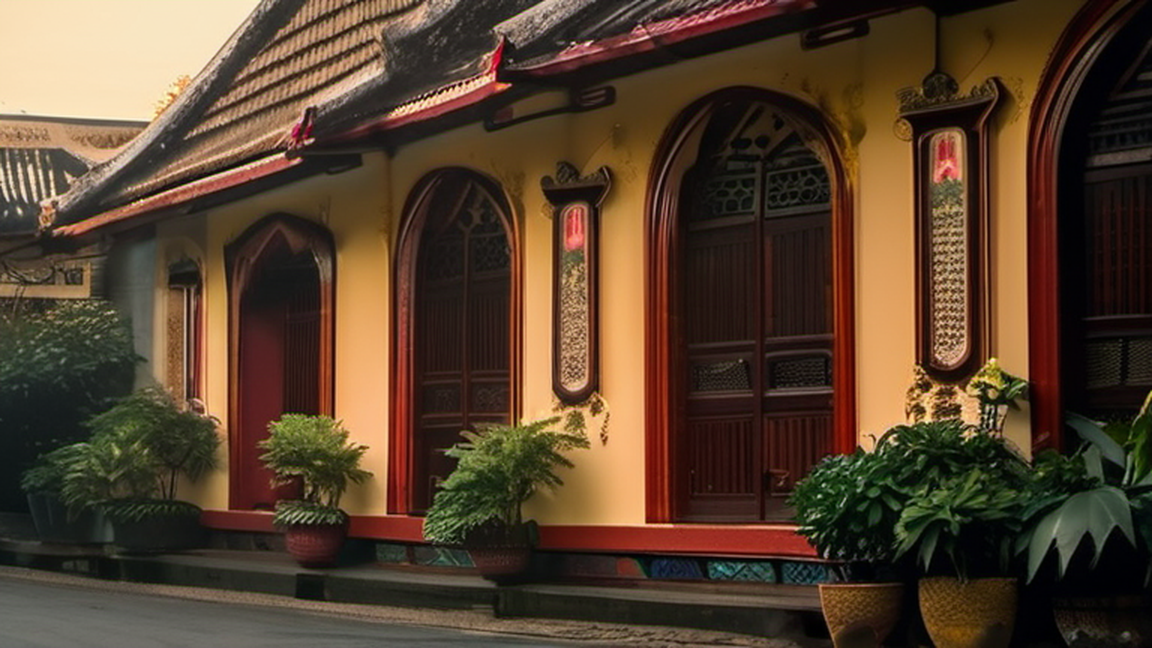
[edit] Main articles: Demographics of Vietnam, Vietnamese people, and Ethnic groups in Vietnam Vietnam population pyramid in 2019 Ethnic groups of Vietnam Vietnamese (85.3%) Other (14.7%) As of 2021[update], the population of Vietnam stands at approximately 97.5 million people. The population had grown significantly from the 1979 census, which showed the total population of reunified Vietnam to be 52.7 million. According to the 2019 census, the country's population was 96,208,984. Based on the 2019 census, 65.6% of the Vietnamese population lives in rural areas while only 34.4% live in urban areas. The average growth rate of the urban population has recently increased, which is attributed mainly to migration and rapid urbanisation. The dominant Viet or Kinh ethnic group constitute 82,085,826 people or 85.32% of the population. Most of their population is concentrated in the country's alluvial deltas and coastal plains. As the majority ethnic group, the Kinh possess significant political and economic influence over the country. Despite this, Vietnam is also home to various ethnic groups, of which 54 are officially recognised, including the Hmong, Dao, Tày, Thái and Nùng. Many ethnic minorities, such as the Muong, who are closely related to the Kinh, dwell in the highlands, which cover two-thirds of Vietnam's territory. Since the partition of Vietnam, the population of the Central Highlands was almost exclusively Degar (including more than 40 tribal groups); however, the South Vietnamese government at the time enacted a programme of resettling Kinh in indigenous areas. The Hoa (ethnic Chinese) and Khmer Krom people are mainly lowlanders. Throughout Vietnam's history, many Chinese people, largely from South China, migrated to the country as administrators, merchants, and even refugees. Since the reunification in 1976, an increase in communist policies nationwide resulted in the nationalisation and confiscation of property, especially from the Hoa in the south and the wealthy in cities. This led many of them to leave Vietnam. Urbanisation[edit] See also: List of cities in Vietnam District 1, Ho Chi Minh City The number of people who live in urbanised areas in 2019 was 33,122,548 people (with the urbanisation rate at 34.4%). Since 1986, Vietnam's urbanisation rates have surged rapidly after the Vietnamese government implemented the Đổi Mới economic programme, changing the system into a socialist one and liberalising property rights. As a result, Hanoi and Ho Chi Minh City (the two major cities in the Red River Delta and Southeast regions, respectively) increased their share of the total urban population from 8.5% and 24.9% to 15.9% and 31% respectively. The Vietnamese government, through its construction ministry, forecasts the country will have a 45% urbanisation rate by 2020, although it was confirmed to only be 34.4% according to the 2019 census. Urbanisation is said to have a positive correlation with economic growth. Any country with higher urbanisation rates has a higher GDP growth rate. Furthermore, the urbanisation movement in Vietnam is mainly between the rural areas and the country's Southeast region. Ho Chi Minh City has received a large number of migrants due mainly to better weather and economic opportunities. A study also shows that rural-to-urban area migrants have a higher standard of living than both non-migrants in rural areas and non-migrants in urban areas. This results in changes to economic structures. In 1985, agriculture made up 37.2% of Vietnam's GDP; in 2008, that number had declined to 18.5%. In 1985, industry made up only 26.2% of Vietnam's GDP; by 2008, that number had increased to 43.2%. Urbanisation also helps to improve basic services, which increase people's standards of living. Access to electricity grew from 14% of total households with electricity in 1993 to above 96% in 2009. In terms of access to fresh water, data from 65 utility companies show that only 12% of households in the area covered by them had access to the water network in 2002; by 2007, more than 70% of the population was connected. Though urbanisation has many benefits, it has some drawbacks since it creates more traffic, and air and water pollution. Many Vietnamese use mopeds for transportation, since they are relatively cheap and easy to operate. Their large numbers have been known to cause traffic congestion and air pollution in Vietnam. In the capital city alone, the number of mopeds increased from 0.5 million in 2001 to 4.7 million in 2013. With rapid development, factories have sprung up which indirectly pollute the air and water, for example, in the 2016 Vietnam marine life disaster. The government is intervening and attempting solutions to decrease air pollution by decreasing the number of motorcycles while increasing public transportation. It has introduced more regulations for waste handling. The amount of solid waste generated in urban areas of Vietnam has increased by more than 200% from 2003 to 2008. Industrial solid waste accounted for 181% of that increase. One of the government's efforts includes attempting to promote campaigns that encourage locals to sort household waste, since waste sorting is still not practised by most of Vietnamese society.  vte Largest cities and provincial wards in VietnamSource: 2019 Vietnamese census, National Assembly Rank Name Province Pop. Rank Name Province Pop. 1 Ho Chi Minh City Municipality 14,002,598 11 Buôn Ma Thuột Đắk Lắk 169,596 2 Hanoi Municipality 8,807,523 12 Long Bình Đồng Nai 168,614 3 Haiphong Municipality 4,664,124 13 Long Xuyên An Giang 154,858 4 Cần Thơ Municipality 4,199,824 14 Hoa Lư Ninh Bình 148,406 5 Da Nang Municipality 3,065,628 15 Trường Vinh Nghệ An 141,477 6 Huế Municipality 1,432,986 16 Tam Hiệp Đồng Nai 139,441 7 Rạch Giá An Giang 250,661 17 Cao Lãnh Đồng Tháp 137,387 8 Hạc Thành Thanh Hóa 197,142 18 Nha Trang Khánh Hòa 136,118 9 Trấn Biên Đồng Nai 197,060 19 Nam Nha Trang Khánh Hòa 130,164 10 Nam Định Ninh Bình 188,751 20 Quy Nhơn Gia Lai 129,326 ^ Some cities were established or expanded after the 2019 census was conducted, including Thủ Đức, Thuận An, Huế, Dĩ An, Vinh, Tân Uyên, Thanh Hóa, Thủy Nguyên, Bắc Giang, Hạ Long. ^ Excluding converted population (including temporary residents). Languages[edit] The national language of the country is Vietnamese, a tonal Vietic language in the Austroasiatic language family (Mon–Khmer), which is spoken by the majority of the population. Vietnam's minority groups speak a variety of languages, including: Tày, Mường, Cham, Khmer, Chinese languages (largely Cantonese), Nùng, and Hmong. The Montagnard peoples of the Central Highlands also speak many distinct languages, some belonging to the Austroasiatic and others to the Malayo-Polynesian language families. In recent years, a number of sign languages have developed in the major cities. Vietnamese calligraphy in Latin alphabet The French language, a legacy of colonial rule, is spoken by many educated Vietnamese as a second language, especially among those educated in the former South Vietnam, where it was a principal language in administration, education, and commerce. Vietnam remains a full member of the International Organisation of the Francophonie (La Francophonie) and education has revived some interest in the language. Russian, and to a lesser extent German, Czech, and Polish are known among some northern Vietnamese whose families had ties with the Eastern Bloc during the Cold War. With improved relations with Western countries and recent reforms in Vietnamese administration, English has been increasingly used as a second language, and the study of English is now obligatory in most schools either alongside or in place of French. The popularity of Japanese, Korean, and Mandarin Chinese has also grown as the country's ties with other East Asian nations have strengthened. Third-graders can choose one of seven languages (English, Russian, French, Chinese, Japanese, Korean, German) as their first foreign language. In Vietnam's high school graduation examinations, students can take their foreign language exam in one of the above-mentioned languages. Religion[edit] Main article: Religion in Vietnam Religion in Vietnam (2019) Vietnamese folk religion or no religion (86.3%) Buddhism (4.79%) Catholicism (6.10%) Protestantism (1.00%) Hoahaoism (1.02%) Caodaism (0.58%) Islam (0.07%) Others (0.12%) Article 70 of the 1992 Constitution of Vietnam declares freedom of belief and religion for all citizens. All religions are equal before the law and each place of worship is protected under Vietnamese state law. Religious beliefs cannot be misused to undermine state law and policies. According to a 2007 survey 81% of Vietnamese people did not believe in a god. Based on government findings in 2009, the number of religious people increased by 932,000. The official statistics, presented by the Vietnamese government to the United Nations special rapporteur in 2014, indicate the overall number of followers of recognised religions is about 24 million of a total population of almost 90 million. According to the General Statistics Office of Vietnam in 2019, Buddhists account for 4.79% of the total population, Catholics 6.1%, Protestants 1.0%, Hoahao Buddhists 1.02%, and Caodaism followers 0.58%. Other religions include Islam, Bahaʼís, and Hinduism, representing less than 0.2% of the population. According to the white paper Religions and Religious Policy in Vietnam (2023), Vietnam has 43 denominational organizations belonging to 16 religions that have received state recognition and registration to operate, with 27.7 million adherents, accounting for nearly 28% of the population. The majority of Vietnamese do not follow any organised religion, though many of them observe some form of Vietnamese folk religion and elements of Buddhism. Confucianism as a system of social and ethical philosophy still has certain influences in modern Vietnam. Mahāyāna is the dominant branch of Buddhism, while Theravada is practised mostly by the Khmer minority. Due to the ambiguity of what constitutes being Buddhist and the influence of Buddhism on Vietnamese culture, estimates of the Buddhist population vary widely, with the Vietnam Buddhist Sangha claiming about 10 million adherents in 2010. About 8 to 9% of the population is Christian, made up of Catholics and Protestants. Catholicism was introduced to Vietnam in the 16th century and was firmly established by Jesuit missionaries (mainly Portuguese and Italian) in the 17th century from nearby Portuguese Macau. French missionaries (from the Paris Foreign Missions Society) and Spanish missionaries (from the Dominican Order) engaged in missionary work in the 18th, 19th, and first half of the 20th century. A significant number of Vietnamese people, especially in the South, are also adherents of two indigenous religions of syncretic Caodaism and semi-Buddhist Hoahaoism. Protestantism was spread by Canadian and American missionaries in the 20th century; the largest Protestant denomination is the Evangelical Church of Vietnam. Around 770,000 of the country's Protestants are members of ethnic minorities, particularly the highland Montagnards and Hmong people. Although it is one of the country's minority religions, Protestantism is the fastest-growing religion in Vietnam. Several other minority faiths exist in Vietnam, these include: Bani, Sunni and non-denominational sections of Islam which is practised primarily among the ethnic Cham minority. There are also a few Kinh adherents of Islam, other minority adherents of Baháʼí, as well as Hindus among the Cham. Education[edit] Main article: Education in Vietnam Vietnam has an extensive state-controlled network of schools, colleges, and universities, and a growing number of privately run and partially privatised institutions. General education in Vietnam is divided into five categories: kindergarten, elementary schools, middle schools, high schools, and universities. A large number of public schools have been constructed across the country to raise the national literacy rate, which stood at 90% in 2008. Most universities are located in major cities of Hanoi and Ho Chi Minh City, with the country's education system continuously undergoing a series of reforms by the government. Basic education in the country is relatively free for the poor, although some families may still have trouble paying tuition fees for their children without some form of public or private assistance. Regardless, Vietnam's school enrolment is among the highest in the world. The number of colleges and universities increased dramatically in the 2000s from 178 in 2000 to 299 in 2005. In higher education, the government provides subsidised loans for students through the national bank, although there are deep concerns about access to the loans as well as the burden on students to repay them. Since 1995, enrolment in higher education has grown tenfold to over 2.2 million with 84,000 lecturers and 419 institutions of higher education. Many foreign universities operate private campuses in Vietnam, including Harvard University (United States) and the Royal Melbourne Institute of Technology (Australia). The government's strong commitment to education has fostered significant growth, but it still needs to be sustained to retain academics. In 2018, a decree on university autonomy allowing them to operate independently without ministerial control was in its final stages of approval. The government will continue investing in education, especially for the poor, to have access to basic education. Health[edit] Main article: Health in Vietnam Development of life expectancy in Vietnam since 1950 By 2015, 97% of the population had access to improved water sources. In 2016, Vietnam's national life expectancy stood at 80.9 years for women and 71.5 for men, and the infant mortality rate was 17 per 1,000 live births. Since the partition, North Vietnam has established a public health system that has reached down to the hamlet level. After the national reunification in 1975, a nationwide health service was established. In the late 1980s, the quality of healthcare declined to some degree as a result of budgetary constraints, a shift of responsibility to the provinces, and the introduction of charges. Inadequate funding has also contributed to a shortage of nurses, midwives and hospital beds; in 2000, Vietnam had only 24.7 hospital beds per 10,000 people before declining to 23.7 in 2005 as stated in the annual report of Vietnamese Health Ministry. The controversial use of herbicides as a chemical weapon by the US military during the war left tangible, long-term impacts upon the Vietnamese people that persist in the country today. For instance, it led to three million Vietnamese people suffering health problems, one million birth defects caused directly by exposure to the chemical, and 24% of Vietnam's land being defoliated. Since the early 2000s, Vietnam has made significant progress in combating malaria. The malaria mortality rate fell to about five per cent of its 1990s equivalent by 2005 after the country introduced improved antimalarial drugs and treatment. Tuberculosis (TB) cases, however, are on the rise. TB has become the second most infectious disease in the country after respiratory-related illness. With an intensified vaccination programme, better hygiene, and foreign assistance, Vietnam hopes to reduce sharply the number of TB cases and new TB infections. In 2004, government subsidies covered about 15% of health care expenses. That year, the United States announced Vietnam would be one of 15 states to receive funding as part of its global AIDS relief plan. By the following year, Vietnam had diagnosed 101,291 human immunodeficiency virus (HIV) cases, of which 16,528 progressed to acquired immune deficiency syndrome (AIDS); 9,554 had died. The actual number of HIV-positive individuals is estimated to be much higher. On average, between 40 and 50 new infections are reported daily in the country. In 2007, 0.4% of the population was estimated to be infected with HIV, and the figure has remained stable since 2005. More global aid is being delivered through The Global Fund to Fight AIDS, Tuberculosis and Malaria to fight the spread of the disease in the country. In September 2018, the Hanoi People's Committee urged the citizens of the country to stop eating dog and cat meat as it can cause diseases like rabies and leptospirosis. More than 1,000 stores in the capital city of Hanoi were found to be selling both meats. The decision prompted positive comments among Vietnamese on social media, though some noted that the consumption of dog meat will remain an ingrained habit among many people.
[edit] Main article: Culture of Vietnam The Temple of Literature in HanoiThe Imperial City of HuếThe Municipal Theatre (Saigon Opera House) in Ho Chi Minh City Vietnamese culture is mainly regarded as part of the Sinosphere. Vietnam's culture has developed over the centuries from the indigenous ancient Đông Sơn culture with wet rice cultivation as its economic base. Many elements of the nation's culture have Chinese origins, drawing on elements of Confucianism, Mahāyāna Buddhism, and Taoism in its traditional political system and philosophy. Historically, Vietnamese society has been structured around làng (villages). Vietnamese mark a common ancestral anniversary on the tenth day of the third lunar month. The influence of Chinese culture is more evident in the north, affecting both elite traditions and popular customs. Nevertheless, there are several Chinatowns in the south, such as in Chợ Lớn, where many ethnic Chinese have intermarried with Kinh and are no longer distinguishable from them. In the central and southern parts of Vietnam, traces of Champa and Khmer culture are evidenced through the remains of ruins, artefacts, as well as within their population as the successor of the ancient Sa Huỳnh culture. In recent centuries, Western cultures have become popular among recent generations of Vietnamese. Vietnamese traditional white school uniform for girls in the country, the áo dài with the addition of nón lá, a conical hat The traditional focuses of Vietnamese culture are based on humanity (nhân nghĩa) and harmony (hòa), in which family and community values are highly regarded. Vietnam reveres a number of key cultural symbols, such as the Vietnamese dragon which is derived from crocodile and snake imagery; Vietnam's national father, Lạc Long Quân is depicted as a holy dragon. The lạc is a holy bird representing Vietnam's national mother Âu Cơ. Other prominent images that are also revered are the turtle, buffalo, and horse. Many Vietnamese also believe in the supernatural and spiritualism where illness can be brought on by a curse or sorcery or caused by non-observance of a religious ethic. Traditional medical practitioners, amulets, and other forms of spiritual protection and religious practices may be employed to treat the ill person. In the modern era, the cultural life of Vietnam has been deeply influenced by government-controlled media and cultural programmes. For many decades, foreign cultural influences, especially those of Western origin, were shunned. But since the recent reformation, Vietnam has seen a greater exposure to neighbouring Southeast Asian, East Asian, as well as Western culture and media. The main Vietnamese formal dress, the áo dài, is worn for special occasions such as weddings and religious festivals. White áo dài is the required uniform for girls in many high schools across the country. Other examples of traditional Vietnamese clothing include the áo tứ thân, a four-piece woman's dress; the áo ngũ, a form of the thân in five-piece form, mostly worn in the north of the country; the yếm, a woman's undergarment; the áo bà ba, rural working "pyjamas" for men and women; the áo gấm, a formal brocade tunic for government receptions; and the áo the, a variant of the áo gấm worn by grooms at weddings. Traditional headwear includes the standard conical nón lá, the "lampshade-like" nón quai thao, and the traditional turban, khăn vấn. In tourism, many popular cultural destinations include the former Imperial City of Huế, the World Heritage Sites of Phong Nha – Kẻ Bàng National Park, Hội An and Mỹ Sơn, coastal regions such as Nha Trang, the caves of Hạ Long Bay and the Marble Mountains. Literature[edit] Main articles: Vietnamese literature, Vietnamese poetry, Vietnamese mythology, and Vietnamese fairy tales Vietnamese dragon on Emperor Vĩnh Hựu's c. 1736 edict conferring a title Vietnamese literature has a centuries-deep history and the country has a rich tradition of folk literature based on the typical–to-eight-verse poetic form (lục bát) called ca dao, which usually focuses on village ancestors and heroes. Written literature has been found dating back to the 10th century Ngô dynasty, with notable ancient authors including Nguyễn Trãi, Hồ Xuân Hương, Nguyễn Du and Nguyễn Đình Chiểu. Some literary genres play an important role in theatrical performance, such as hát nói in ca trù. Some poetic unions have also been formed in Vietnam, such as the tao đàn. Vietnamese literature has been influenced by Western styles in recent times, with the first literary transformation movement of thơ mới emerging in 1932. Vietnamese folk literature is an intermingling of many forms. It is not only an oral tradition, but a mixing of three media: hidden (only retained in the memory of folk authors), fixed (written), and shown (performed). Folk literature usually exists in many versions, passed down orally, and has unknown authors. Myths consist of stories about supernatural beings, heroes, and creator gods, and reflect the viewpoint of ancient people about human life. They consist of creation stories, stories about their origins (Lạc Long Quân and Âu Cơ), culture heroes (Sơn Tinh and Thủy Tinh) which are referred to as a mountain and water spirit respectively and many other folklore tales. Music[edit] Main article: Music of Vietnam Ca trù trio performance in northern Vietnam Traditional Vietnamese music varies between the country's northern and southern regions. Northern classical music is Vietnam's oldest musical form and is traditionally more formal. The origins of Vietnamese classical opera (tuồng) can be traced to the Mongol invasions in the 13th century when the Vietnamese captured a Chinese opera troupe. Throughout its history, Vietnam has been the most heavily impacted by the Chinese musical tradition along with those of Japan, Korea and Mongolia. Nhã nhạc is a refined form of imperial court music, chèo is a form of generally satirical musical theatre, while xẩm is a type of Vietnamese folk music. Quan họ (alternate singing) is popular in the Bắc Ninh province. Another form of music called chầu văn is used to invoke spirits during ceremonies. Nhạc dân tộc cải biên is a modern form of Vietnamese folk music which arose in the 1950s, while ca trù is a complex form of sung poetry. Hò is a diverse genre of work songs performed in central and southern Vietnam. There is a range of traditional instruments, including the đàn bầu (a monochord zither), the đàn gáo (a two-stringed fiddle with coconut body), and the đàn nguyệt (a two-stringed fretted moon lute). In recent times, there have been some efforts at mixing Vietnamese traditional music—especially folk music—with modern music to revive and promote national music in the modern context and educate the younger generations about Vietnam's traditional musical instruments and singing styles. Bolero music has gained popularity in the country since the 1930s, albeit with a different style—a combination of traditional Vietnamese music with Western elements. In the 21st century, the modern Vietnamese pop music industry known as V-pop incorporates elements of many popular genres worldwide, such as electronic, dance and R&B. Media[edit] Main article: Media of Vietnam Vietnam Television (VTV), the main state television station Vietnam's media sector is regulated by the government under the 2004 Law on Publication. It is generally perceived that the country's media sector is controlled by the government and follows the official communist party line, though some newspapers are relatively outspoken. The Voice of Vietnam (VOV) is the official state-run national radio broadcasting service, broadcasting internationally via shortwave using rented transmitters in other countries and providing broadcasts from its website, while Vietnam Television (VTV) is the national television broadcasting company. Since 1997, Vietnam has regulated public internet access extensively using both legal and technical means. The resulting lockdown is widely referred to as the "Bamboo Firewall". The collaborative project OpenNet Initiative classifies Vietnam's level of online political censorship to be "pervasive", while Reporters Without Borders (RWB) considers Vietnam to be one of 15 global "internet enemies". Though the government of Vietnam maintains that such censorship is necessary to safeguard the country against obscene or sexually explicit content, many political and religious websites that are deemed to be undermining state authority are also blocked. Cuisine[edit] Main article: Vietnamese cuisine A bowl of phở in Ho Chi Minh City. Traditionally, Vietnamese cuisine is based around five fundamental taste "elements" (Vietnamese: ngũ vị): spicy (metal), sour (wood), salty (water), bitter (fire), and sweet (earth). Common ingredients include fish sauce, shrimp paste, soy sauce, rice, fresh herbs, fruits, and vegetables. Vietnamese recipes use lemongrass, ginger, mint, rau răm, long coriander, Saigon cinnamon, bird's eye chilli, lime and basil leaves. Traditional Vietnamese cooking is known for its fresh ingredients, minimal use of oil, and reliance on herbs and vegetables; it is considered one of the healthiest cuisines worldwide. The use of meats such as pork, beef, and chicken was relatively limited in the past. Instead freshwater fish, crustaceans (particularly crabs), and molluscs became widely used. Fish sauce, soy sauce, prawn sauce, and limes are among the main flavouring ingredients. Vietnam has a strong street food culture, with 40 popular dishes commonly found throughout the country. Many notable Vietnamese dishes such as gỏi cuốn (salad roll), bánh cuốn (rice noodle roll), bún riêu (rice vermicelli soup) and phở noodles originated in the north and were introduced to central and southern Vietnam by northern migrants. Local foods in the north are often less spicy than southern dishes, as the colder northern climate limits the production and availability of spices. Black pepper is frequently used in place of chillis to produce spicy flavours. While drinks are usually served cold with ice cubes, especially during the summer, hot drinks, such as tea, may be served to treat illnesses and welcome guests. Some examples of basic Vietnamese drinks include cà phê đá (Vietnamese iced coffee), cà phê trứng (egg coffee), chanh muối (salted pickled lime juice), cơm rượu (glutinous rice wine), nước mía (sugarcane juice) and trà sen (Vietnamese lotus tea). Holidays and festivals[edit] Main articles: Public holidays in Vietnam and List of traditional festivals in Vietnam Special Tết decoration in the country seen during the holiday The country has eleven nationally recognised holidays. These include: New Year's Day on 1 January; lunisolar Vietnamese New Year (Tết Nguyên Đán) from the last day of the last lunar month to fifth day of the first lunar month; Hùng Kings' Festival on the 10th day of the third lunar month; Reunification Day on 30 April; International Workers' Day on 1 May; and National Day on 2 September. During Tết, many Vietnamese from major cities return to their hometowns or villages for family reunions and to pray for dead ancestors. Older people usually give the young a lì xì (red envelope), while special holiday food, such as bánh chưng (rice cake) in a square shape together with variety of dried fruits, are presented in the house for visitors. Other festivals includeTết Nguyên Tiêu, Tết Trung Thu, and various temple and nature festivals. In the highlands, Elephant Race Festivals are held annually in spring; riders will ride their elephants for about 1.6 km (0.99 mi) and the winning elephant will be given sugarcane. Traditional Vietnamese weddings remain popular. Sports[edit] Main articles: Sport in Vietnam and List of Vietnamese traditional games Mỹ Đình National Stadium in Hanoi The Vovinam, Kim Kê and Võ Bình Định are widespread in Vietnam, while football is the country's most popular sport. Its national team won the ASEAN Football Championship in 2008, 2018 and 2024; and reached the 2007 AFC Asian Cup, quarter-finals of 2019 AFC Asian Cup, its junior team of under-23 became the runners-up of 2018 AFC U-23 Championship and reached fourth place in 2018 Asian Games, while the under-20 managed to qualify the 2017 FIFA U-20 World Cup for the first time in their football history. And the under-17 achieved fourth place among 10 Teams of the 2000 AFC U-16 Championship. The women's national football team had first appearance at the FIFA Women's World Cup in 2023, became the first 11-a-side national football team to participate in a World Cup tournament, and also traditionally dominates the Southeast Asian Games, along with its chief rival, Thailand. Other Western sports such as badminton, tennis, volleyball, ping-pong and chess are also widely popular. Vietnam has participated in the Summer Olympic Games since 1952. After the partition of the country in 1954, only South Vietnam competed in the games, sending athletes to the 1956 and 1972 Olympics. Since the reunification of Vietnam in 1976, it has competed as the Socialist Republic of Vietnam, attending every Summer Olympics from 1988 onwards. The present Vietnam Olympic Committee was formed in 1976 and recognised by the International Olympic Committee (IOC) in 1979. Vietnam has never participated in the Winter Olympic Games. In 2016, Vietnam won its first gold medal at the Olympics. Basketball has become an increasingly popular sport in Vietnam, especially in Ho Chi Minh City, Hanoi and Sóc Trăng. The country also held a national multi-sport event, the Vietnam National Games, held every four years.

Azerbaijan (Azerbaijani: Azərbaycan) is a former Soviet republic in the Caucasus and is variously considered part of Europe or Asia. Often known as the "Land of Fire", Azerbaijan was ceded to the Russian Empire by the Persian Empire in the late 19th century.