Pristina · Europe

Kosovo, officially the Republic of Kosovo, is a landlocked country in Southeast Europe with partial diplomatic recognition. It is bordered by Albania to the southwest, Montenegro to the west, Serbia to the north and east, and North Macedonia to the southeast. It covers an area of 10,887 km2 (4,203 sq mi) and has a population of nearly 1.6 million, of whom the vast majority (approximately 92%) are ethnic Albanians. Kosovo has a varied terrain, with high plains along with rolling hills and mountains, some of which have an altitude over 2,500 m (8,200 ft). Its climate is mainly continental with some Mediterranean and Alpine influences. Kosovo's capital and most populous city is Pristina; other major cities and urban areas include Prizren, Ferizaj, Gjilan, and Peja.
Kosovo formed the core territory of the Dardani, an Illyrian people, attested in classical sources from the 4th century BCE. The Dardani established the Kingdom of Dardania, with its political and cultural center likely located near present-day Lipjan (ancient Ulpiana). The kingdom was incorporated into the Roman Empire in the 1st century BCE; later, in the 3rd century CE, it was transformed into a separate Roman province. During the Byzantine period, the region was eventually organised as part of the Theme of Dardania and remained under imperial control, facing Slavic migrations in the 6th and 7th centuries CE. Control shifted between the Byzantines and the First Bulgarian Empire. In the 13th century, Kosovo became integral to the Serbian medieval state and the establishment of the Serbian Patriarchate. Ottoman expansion in the Balkans in the late 14th and 15th centuries led to the decline and fall of the Serbian Empire; the Battle of Kosovo of 1389, in which a Serbian-led coalition of various ethnicities fought against the Ottoman Empire, is considered one of the defining moments.
Various dynasties, mainly the Branković, governed Kosovo for much of the period after the battle. The Ottoman Empire fully conquered Kosovo after the Second Battle of Kosovo, ruling for nearly five centuries until 1912. Kosovo was the centre of the Albanian Renaissance and experienced the Albanian revolts of 1910 and 1912. After the Balkan Wars (1912–1913), it was ceded to the Kingdom of Serbia, and after World War II, it became an Autonomous Province within Yugoslavia. Tensions between Kosovo's Albanian and Serb communities simmered during the 20th century and occasionally erupted into major violence, culminating in the Kosovo War of 1998 and 1999, which resulted in the Yugoslav Army's withdrawal and the establishment of the United Nations Interim Administration Mission in Kosovo.
Kosovo unilaterally declared its independence from Serbia on 17 February 2008 and has since gained diplomatic recognition by at least 110 member states of the United Nations. Serbia does not officially recognise Kosovo as a sovereign state and continues to claim it as its constituent Autonomous Province of Kosovo and Metohija; however, it accepts the governing authority of the Kosovo institutions as part of the 2013 Brussels Agreement.
Kosovo is a developing country with an upper-middle-income economy. It has experienced significant economic growth over the last decade, as measured by international financial institutions, since the onset of the 2008 financial crisis. Kosovo is a member of the International Monetary Fund, the World Bank Group, European Bank for Reconstruction and Development, Venice Commission, and the International Olympic Committee, and has applied for membership in the Council of Europe, UNESCO, and Interpol, as well as observer status in the Organisation of Islamic Cooperation. In December 2022, Kosovo filed a formal application to become a member of the European Union.
Kosovo (Albanian: Kosova (definite form) or Kosovë (indefinite form) is a largely mountainous country in the Balkan region of Europe. Its attractions for travelers include its archaeological and religious heritage, natural beauty, hiking and skiing. Kosovo has Ottoman, Christian Orthodox and modernist heritage to share with the world. Being still new to tourists, Kosovars are welcoming to foreign visitors and happy to help. Kosovo declared its independence from Serbia in 2008, which still opposes the act.
1 Pristina — the capital of Kosovo.
2 Podujeva
3 Gjakova — its Old Bazaar has a mosque that was built in the 15th century. It is one of the rarest of its kind
4 Junik
5 Klinë — visitors come to see the Mirusha Waterfalls
6 Peja — host to a UNESCO World Heritage Site, and surrounded by stunning nature


Andorra is a small, mountainous country in Western Europe, up in the Pyrenees between France and Spain. Full of beautiful mountains and charming old villages, the country thrives on tourism, mainly visitors from nearby countries who come for shopping, skiing, hiking, and banking.

Austria (German: Österreich) is a landlocked German-speaking country in Central Europe. Austria, along with neighbouring Switzerland, is the winter sports centre of Europe. However, it is just as popular for summer tourists who visit its historic cities and villages and hike in the magnificent scenery of the Alps. With more than 30 million arrivals (2023) and only about nine million inhabitants, i
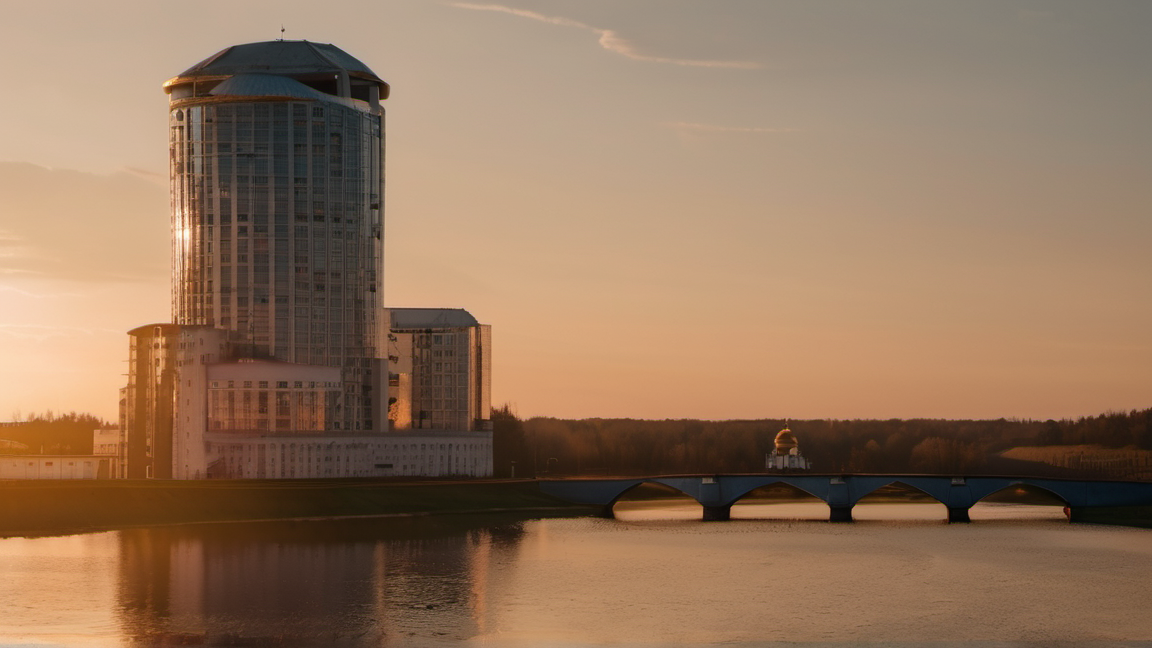
7 Prizren — the historical and cultural capital of Kosovo. Charming city bustling with various festivals and architecture of different periods.
8 Suhareka — known for its scenic landscapes, rich cultural heritage, and warm hospitality
9 Mitrovica
10 Ferizaj
11 Gjilani
12 Kacanik
13 Kamenica
14 Novo Brdo
15 Viti
1 Rugova Gorge
2 Gračanica
3 Rahovec — a largely rural region known for vineyards and wine-making
4 Brezovica — a ski centre
5 Prevalla
6 Brod
Kosovo was the last territory to separate following the breakup of the former Yugoslavia. It declared independence in February 2008, although Serbia does not recognise it as a sovereign state.
As of late 2025, 110 out of 193 UN member states recognise Kosovo. The vast majority of the population (91.8%) is ethnic Albanian. Small minorities include Serbs, Bosniaks, Turks and Ashkali. While most Albanians, Bosniaks and Turks are Muslim, the Republic of Kosovo is a secular state, and all religious groups are free to observe their key feasts and celebration dates.
Kosovo has a young demographic, with approximately 70% of its population under the age of 35 as of 2026.
History in Kosovo has been highly politicized and is wrapped up with the histories of its Balkan neighbors.
Control of Kosovo changed hands many times in the medieval period, passing variously from being part of the Bulgarian Empire, Byzantine Empire and the Serbian Empire. From the 15th century Kosovo was part of the Ottoman Empire for almost 500 years, before the empire collapsed at the beginning of the 20th century. Wars and border disputes continued as Kosovo was annexed into the Kingdom of Serbia, which expanded into the Kingdom of Serbs, Croats and Slovenes at the end of World War I, and changed its name to the Kingdom of Yugoslavia in 1929.
At the end of World War II, and the defeat of the invading Axis powers by socialist partisans, Kosovo became an Autonomous Province in the Socialist Federal Republic of Yugoslavia, led by Josip Broz Tito.
After Tito's death in 1980, and the rise of nationalism throughout Yugoslavia, Kosovo was stripped of its autonomous status at the end of the '80s by the regime of autocratic leader Slobodan Milosevic. With Yugoslavia breaking apart, Kosovo's Albanians were stripped of many of their rights during a decade of repression during the 1990s, which ended in the war of 1998-99, as Kosovar Albanians stood up against the Serbian regime to fight for their liberation. A NATO bombing campaign against Serbian military and industrial targets brought the war to an end in June 1999, and led to a period in which Kosovo was administered by the United Nations.
On 17 February 2008, Kosovo declared independence from Serbia, and was quickly recognized by the Western-aligned world powers, including the United States and most member states of the European Union. However Serbia continues to refute Kosovo's independent status. It is also not a member of the United Nations as its independence is not recognized by Russia and China, both of whom have used their veto power on the Security Council to block any UN recognition of Kosovo. Domestically, while ethnic Albanians support Kosovo's independence, most ethnic Serbs do not and still consider Kosovo to be a part of Serbia.
The climate is continental, with very warm summers and cold and snowy winters.
Kosovo is a multi-ethnic, secular state whose population practises a diverse selection of religions. The majority Albanian population is mainly Muslim, though with a significant Catholic minority. That said, most ethnic Albanian Muslims do not practice the religion, and view it more as a cultural identity. Kosovo's Bosniak, Gorani and Turkish communities are also predominantly Muslim, while Kosovar Serbs tend to practice Serbian Orthodox Christianity.
Citizens of countries such as Albania, Australia, Canada, the European Union, Lebanon, Malaysia, Singapore, South Africa and Turkey do not need a visa, but if you are planning to stay in Kosovo for more than 90 days you should register at the Police Department for the Registration of Foreigners. This is next to the central police station in Pristina. Citizens of other countries that have significantly contributed to the rebuilding of Kosovo probably also do not need visas either, although Kosovo is starting to implement a stricter visa regime. The 90-day rule for the registration of foreigners applies to everybody.
You can enter Kosovo through the northern border with Serbia through Mitrovica or near Pristina. There are bus connections from Belgrade and Nis to Pristina and Prizren and from all the major towns in Serbia to the northern parts. The most used transport route is through North Macedonia and Pristina Airport. Skopje is only one and a half hour from the capital city of Kosovo, Pristina. Travelling from Pristina to any other city of Kosovo does not take longer than an hour and a half. For instance, from Pristina to Prizren by car takes 45 minutes, or to Prizren, Gjakova or Peja by bus takes an hour and a half.
Pristina International Airport (PRN IATA). Several European airlines offer direct flights from their hubs to the Pristina International Airport, including easyJet, WizzAir, Eurowings, TUIfly Belgium, Norwegian Air Shuttle, Turkish Airlines, Pegasus Airlines, Swiss, Edelweiss Air and Austrian Airlines. During the summer, several additional charter flights are available for travellers. (updated Dec 2023)
Other nearby airports are in Skopje and Tirana.
Since most buses will go into Pristina, see the relevant article for more details:
From Montenegro, you can enter through Rozaje to Peja/Pec (ca. 2 hr).
From North Macedonia (Skopje), you can take a bus to Pristina (less than 1½ hr).
There is a border crossing in the Presevo Valley in Serbia.
There are a couple of companies offering buses from Istanbul, Turkey via Skopje.
From Albania, you can enter through Prizren on the highway. One way trips from Tirana to Pristina and Prizren cost €15 (as of 2022/23) and take 3-4 hr, with two stops.
International Motor Insurance Cards are not accepted. At the border you will need to pay for separate insurance, which will cover you throughout Kosovo for up to two weeks. Costs depend on the vehicle but two weeks' cover is usually under €20. Ensure also that you have your vehicle registration and a power of attorney from the car's owner if it is not yours.
From Serbia during the summer holidays in Germany and Switzerland expect long queues at the border crossing in Merdare (up to 3 hours).
You also can enter to the country at Dheu i Bardhe near Bujanoc and at Jarinje near Nis.
From Montenegro, the only legal border crossing is at Rozhaja.
From North Macedonia you can enter near Hani i Elezit in Bllaca or at Bellanice (Stanqiq).
From Albania you can cross at Morine or at Qafa e Prushit near Gjakova.
The best way to travel intercity in Kosovo is by bus. The buses are relatively cheap and comfortable (for example from Pristina to Peja is €4), with discounts available for students. Payment is usually made on the bus to a representative of the bus company coming around once the journey has started - you may or may not receive a physical ticket, depending on the company. However, tickets for crossing the border can be bought in the bus station in Pristina and with travel agency in Prishtina or Prizren. The latter sometimes gives you the opportunity for a slight discount, in case you know the actual fare (see Gjirafa).
Between some cities you may also have the option of minivans, running from nearby the main bus station. These leave when full and are usually a similar price to the regular buses.
For major regional (but also country crossing) bus connections see Gjirafa for times and prices. It won't cover minibuses though, which also run but mostly between or to and from smaller towns.
The only connections as of May 2026 are two daily trains from Pristina to Peja which are a comfortable way to make this journey (€3).
The timetable is available at the Kosovo Railways website.
Major highway construction throughout the 2010s has significantly reduced car travel times between major cities, and further road building and improvements are underway.
Driving in Kosovo, particularly in cities, can be somewhat stressful initially, and it is best to adopt an attitude of expecting the unexpected. Pedestrians crossing in front of you without warning, cyclists approaching on the wrong side of the road, and potholes appearing out of nowhere are all familiar sights. Just-in-time overtaking manoeuvres and swerving lane-changes are also common, while roundabouts involve their own unique local customs. You will likely become accustomed to this quickly, however, and as long as you remain alert and look out for sudden changes in road surfaces, you should be fine.
Parking can be a challenge, particularly in Prishtina and other major cities, but there are plenty of informal car parks charging €1 to €2 for the day where your vehicle should be safe. Many locals choose to park at the side of the road, on pavements or wherever there is a small amount of space, although the police have begun to remove illegally parked vehicles in some areas.
Road signs and place names usually appear in Albanian and Serbian, although it is not uncommon for the minority language to be scratched out.
It is best to use registered taxis as they have fixed prices and are metered. Registered taxis are clearly marked with a company name and phone number printed on the vehicle. Unregistered taxis are usually cars with a yellow taxi sign affixed to the roof, they are safe, but the price is entirely at the driver's discretion. For more information on taxi companies see the pages for individual cities.
Udhë is trying to establish something like BlaBlaCar for Kosovo. The offers are sparse, mostly covering Pristina-Prizren.
Hitchhiking is not as easy as it is in Albania—locals rarely do it and since COVID sentiments have been impacted negatively. But considering most Kosovars are a young bunch of folk with many speaking English or even German, their curiosity should do the trick.
As always, consider the regular advices for Hitchhiking and watch out for any scams.
Most people in Kosovo speak Albanian, while in Serb-majority areas, such as the north, Serbian is spoken - both are official languages and appear on road signs, etc.
Young people, particularly in the major cities such as Pristina and Prizren, are likely to understand English, whereas the older generation are more likely to understand German.
Turkish can be useful, and the Turkish minority which is concentrated mainly in Prizren speaks both Turkish and Albanian.
Mirusha Waterfalls, between Prishtina and Gjakova, on the way to Klinë., is a sequence of cascading waterfalls surrounded by towering rock formations, featuring a spacious natural swimming pool.
The Waterfall of the Drini River north of Peja is fantastic during the summer. The road to the river is an amazing: a narrow road with wires on one side and the river on the other.
The Pec Patriarchy, 2 km to the northwest of the Peja city center, was the seat of the Patriarchy of the Serbian Orthodox Church for about 200 years of its history and for many Serbs is considered to be of extreme national importance. It is a beautiful monastery with many spectacular paintings.
Rugova, to the northwest of Peja, has extremely steep walls reaching possibly up to 300 m.
The Grand Bazaar in Gjakova, is a very beautiful old "shopping centre" from 17th century.
The Mitrovica Bridge is an interesting symbol of the division of the population in Kosovo. This bridge is the dividing line between Serbs and Albanians in Mitrovica. It will almost always be safe to approach the bridge and look at it.
Novo Brdo Fortress has the remains of a huge medieval fortress built on the top of an extinct volcano cone, the remains of which can be visited today.
Ulpiana, near Gracanica, is one of the oldest cities in the Balkan peninsula. It was re-constructed by Emperor Justinian I.
White Drin Canyon is a small canyon near Gjakova. Relatively short, only being about 900 m long and 45 m deep. At its start is Fshajt Bridge, an old Ottoman bridge which attracts divers from all around the region.
A UNESCO World Heritage listing consisting of four religious edifices:
Gračanica Monastery near Prishtina – One of the most beautiful examples of Serbian medieval (14th-century) ecclesiastical architecture. This monastery was built by the Serbian king Milutin in the Serbo-Byzantine style, reportedly its shape being inspired by a cloud. It is noted for its frescoes, and being the only medieval Serbian monastery found in an urban setting complete with an old school and archives.
Decani Monastery in western Kosovo – One of the most important monasteries of the Serbian Orthodox Church in Kosovo. It is famous for its elegant and peculiar architecture. As an orthodox monastery from the 13th century, it successfully mixes western and eastern church building elements to form a particular hybrid style only known on the territory of old Serbia. This monastery is particularly noted for some of the world's finest medieval frescoes adorning its walls.
Monastery of the Patriarchate of Peć in Peja, northwestern Kosovo.
Our Lady of Ljeviš (Kisha e Shën Premtës or Bogorodica Ljeviška) – in Prizren, southern Kosovo.
Although Kosovo is not yet widely known for tourism, this is changing quickly as the country offers something for every visitor. Surrounded by mountains and still developing its statehood, Kosovo is accessible and remains one of the cheapest destinations in Europe. With cross-border hiking trails like the Via Dinarica and Peaks of the Balkans bringing new interest to the area, now is a good time to visit this region.
Exploring rural Kosovo reveals scenery, cultural heritage and hospitality. Visitors can hike the Sharri, Pashtrik and Accursed Mountains, ski the slopes in Brezovica, admire the Ottoman architecture of Prizren, sample raki or wine around Rahovec, visit a traditional stone Kulla in Junik or Drenoc, or experience the coffee culture in Prishtina. It is also possible to explore both Islamic and Orthodox sites, which are often found side by side.
With its busy cafés, outdoor adventure scene, welcoming locals and low prices, Kosovo is a suitable destination for those looking to avoid common tourist traps.
GuideKS (Kosovo Tourist Guides Association), guidesinkosovo@gmail.com, ☏ +383 49372639, guidesinkosovo@gmail.com. umbrella organization of tourist guides in Kosovo. They will put you in touch with a local guide suitable for your activity. (updated May 2022)
Football: the men's national team play at Fadil Vokrri Stadium in Pristina, home ground of FC Pristina. 10 clubs play in Superleague and 18 in First League.
Hiking
Winter sports: Brezovica Ski Centre has old infrastructure but great slopes.
Paragliding
Music is an important part of Kosovo’s culture. From traditional folk songs to modern rock and electronic music, the country offers a rich and diverse musical experience.
Traditional music in Kosovo is often performed with instruments like the çifteli, lahuta, and sharkia. These songs usually talk about love, history, and everyday life. You can hear this kind of music at festivals, weddings, or village gatherings.
If you want to learn more about Kosovo’s culture, listening to old folk music is a great place to start. It shows the emotions, values, and stories of the people.
There are some decent clubs and raves happening in Pristina, see there for more details.
Kosovo also has a strong rock and alternative music scene. In the 1980s, several important bands started in Pristina. They created music that mixed Western rock with local ideas and language. These bands are still remembered today and are a key part of Kosovo’s music history.
Kosovo uses the euro, like several other European countries. One euro is divided into 100 cents. The official symbol for the euro is €, and its ISO code is EUR. There is no official symbol for the cent.
All banknotes and coins of this common currency are legal tender within all the countries, except that low-denomination coins (one and two cent) are phased out in some of them. The banknotes look the same across countries, while coins have a standard common design on the reverse, expressing the value, and a country-specific design on the obverse. The €2 obverse is also used for different designs of commemorative coins. The design of the obverse does not affect the coin's acceptability.
Credit/debit cards are widely accepted. but keep cash just in case
Money exchange is available in most cities and larger towns.
The Serbian dinar is used in the Serbian-majority municipalities in Kosovo. Exchange offices are found almost everywhere. Note that in these locations while euro are accepted generally, all prices are listed in dinars.
There are many options: From fine handcrafted Filigree silver to traditional Albanian wool hats (a plis) and musical instruments (the stringed ciftelia). Local food and drink specialties to take home could include honey, raki, a high strength alcohol distilled from fruit, ajvar, a pepper based spread or feferona, spicy local peppers.
In Kosovo generally tipping is not expected from locals, but as it is done by foreigners, it is welcome. In more upmarket venues it might be more likely for tipping to be expected. In taxis you can tip to the nearest euro or half euro.
Best restaurants to eat at are those that are located in the villages near by big cities; they tend to have the best meat dishes and the best sea food. Trout, seabass and salmon fish are very common and popular and are kept fresh in their pools and are nearly always fried when you order. Prices are pretty average and, for some countries' nationals, cheap.
Lots of great burek (baked pastry stuffed with cheese, meat or spinach). Try the drinkable yogurt (Ayran) — it's superb. Lots of kebabs and other Ottoman Turkish style food.
As far as you are in an Albanian territory, you could try Albanian food as well. Fli, a very good pastry, can be found in different traditional restaurants.
At the bakery, you can buy a fantastic loaf of bread for under €1.
The grocery stores have a plentiful supply of Western food.
For a taste of authentic local cuisine, consider dining at one of the region's agrotourism restaurants, where fresh, farm-to-table ingredients and traditional recipes come together to offer a truly memorable culinary experience.
Alcoholic:
Beer brewed in Peja and named after the city of its origin can be found across Kosovo. Peja Premium is a slightly stronger beer from the same brewery but less widely available. Other local beers include Grembeer and Prishtina.
Kosovo was known for wine production with vineyards in its southwest in the Rahovec-Suhareka region, with Stonecastle one of the larger wine producers. Even though the Albanians are predominantly of Muslim heritage, attitudes to drinking are quite liberal.
Raki is another alcoholic beverage popular in Kosovo. It is made from local fruits (most commonly from grape, plum, pear and quince).
Non-alcoholic:
Yogurt/ayran is a common local drink and is often consumed with pastries. Boza is a malt drink from fermented maize (corn) and wheat and often drank with cakes and pastries.
Accommodation in Kosovo can be expensive in hotels, but in Pristina, Prizren, Peja and Gjakova in particular, cheap accommodation (hostels or apartments) are very easy to find.
Accommodation options:
Apartments
Hostels
Small hotels (motels)
Two- and three-star hotels (more common)
Three five-star hotels in Pristina.
Guesthouses are also dotted around throughout Kosovo, offering inexpensive alternatives.
People in general are friendly and hospitable to tourists and you generally do not need to worry about crime. Since the end of the war, more than 200,000 international workers from over the world have worked in Kosovo and local people are used to foreigners.
Don't let the politics stop you from visiting; tensions have risen now and then since the turn of century, but nearly all have been in the divided city of Mitrovica in the north of Kosovo. There is an international 5,000-person NATO peacekeeping force (a reinforcement was sent in June 2023).
Like in much of the Balkans, land mines were heavily used during the Yugoslav wars. Mines were a major problem in Kosovo in the first four years after the war with major cleanup efforts following that. There have been years since any incident has been reported. Most of the mined areas are places where conflict took place (rural Central Kosovo and the Kosovo–Albania border region). Most hiking and camping takes place in areas where the war did not occur, like the Sharr mountains, where there is a ski and camping resort.
As with the region as a whole, homophobia is fairly widespread with tolerance varying whether it's urban or rural area, and public displays of affection being not as common as in the West.
Kosovo is rebuilding, and some of the city roads now are new, but if you are driving, you still must be on the lookout for large potholes.
Manhole covers are often missing due to theft, posing a serious safety risk. These uncovered manholes are frequently found along sidewalks and pedestrian paths, so always watch your step to avoid injury.
Foreigners can receive medical treatment at the public hospital in Pristina, where staff from your accommodation may be useful as translators to help with communication during your visit. However, it is important to be aware that the hospital’s conditions are not ideal: basic hygiene items like soap are often missing in the restrooms, and medical equipment such as intravenous infusions may be supported by makeshift or improvised stands, reflecting limited resources and infrastructure. Kosovo does not have a public health insurance system, which means that all medical expenses must be paid in cash at the time of service. Typically, a consultation with a doctor along with a few prescribed medications from the pharmacy will cost around €20.
Tap water in cities is safe and drinkable.
You can buy a local SIM card for €3, with the two major carriers being Vala and Ipko. You must provide an ID (passport) and register.
Many mobile providers in the Balkans provide free roaming across Balkan countries. So, in case you are planning to cross the border, ask on how to use the local SIM card in other Balkan countries. For instance, a One.al SIM card from Albania works flawlessly in North Macedonia and Kosovo with a regular Albanian package.
Most bars, cafes and restaurants have free Wi-Fi connection that customers can use.
Kosovo has easy access to destinations in neighboring countries such as Skopje in North Macedonia, Northeastern Albania and North Montenegrin Mountains.
There are direct bus links to major cities in Austria, Germany, Italy, Switzerland, Belgium, Albania, Turkey, North Macedonia, Bosnia, Montenegro and Serbia.