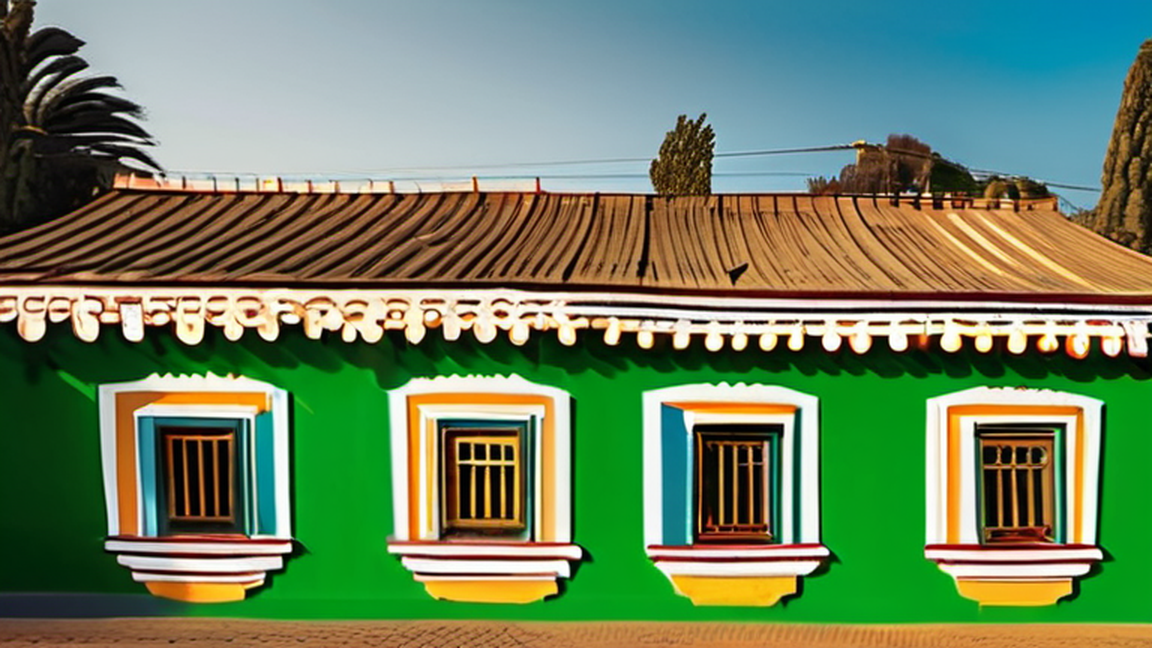
Addis Ababa (Amharic: አዲስ አበባ) is the capital and largest city of Ethiopia. With an estimated population of more than 6 million in 2026, it is growing very rapidly like many African cities. The city is an important cente
Addis Ababa (Amharic: አዲስ አበባ) is the capital and largest city of Ethiopia. With an estimated population of more than 6 million in 2026, it is growing very rapidly like many African cities. The city is an important center of diplomacy, and despite being a relatively young city, Addis is a good introduction to Ethiopia and its culture.
While Ethiopia is regarded as the original home of humans, and there has been several earlier settlements in the region, Addis Ababa was founded only in 1886 by King Menelik II and Queen consort Taytu Betul. Since then, Ethiopia has gone through a lot of events that have left a mark on the city, such as two cathedrals built to commemorate victories over Italians, sites where emperors lived and worked, monuments to them, and a memorial museum to the victims of the red terror during the Derg regime. The museums of the city lets visitors experience much older times too – indeed you can see a replica of the hominoid Lucy at the national museum. In addition, the restaurants and cafés of the city let you sample Ethiopian cuisine, its famous coffee and the national drink tej.
There are more than 120 international missions and embassies in Addis Ababa, making the city a hub for international diplomacy concerning Africa. The headquarters of the African Union and the UN Economic Commission for Africa (UNECA) are both in the city. The European Union and the United States both have two delegations in Addis Ababa, one for bilateral relations with Ethiopia and one for the African Union.
The city is divided into ten boroughs, known as subcities, then further divided into wards (kebeles). Suburbs include Shiro Meda and Entoto in the north, Urael and Bole (home to Bole International Airport) in the east, Nifas Silk in the south-east, Mekanisa in the south, and Keraniyo and Kolfe in the west. Many of the wealthiest people live in the southeast (Bole), southwest (old airport), CMC, Ayat and Lamberet parts of town. The city is one of the first in Sub-Saharan Africa to have rail based public transit. The light rail system built with Chinese help is often credited with a rapid change of connected parts of the city. The Corridor Projects have upgraded many trunk roads to international standards, with street lights, bicycle lanes, and bus stops. These projects have also been associated with large-scale relocation of residents and shops.
Addis Ababa features a subtropical highland climate (Cwb), a variety of the temperate oceanic climate, with wet summer (comparable to Mexico City). The average highs are between 21 °C (70 °F) and 25 °C (77 °F), the average lows between 7 °C (45 °F) and 11 °C (52 °F). The warmest months are February to May, but not "hot" as people imagine Africa; most hotels do not have air-conditioning. Temperatures and climate can vary due to elevation. Addis Ababa has 132 rainy days per year and records 1,165 mm (45.9 in) of rainfalls annually.
Temperatures in Addis Ababa are remarkably constant from month to month: the annual temperature variation is low with around 4 °C (7.2 °F). However, due to its altitude of 2,400 m (7,900 ft), the diurnal temperature variation is high with around 14 °C (25 °F) difference between day and night in average. It is often 27 °C (81 °F) at lunchtime and 3 °C (37 °F) at night; always take a second layer with you during the evening.
The dry winter season is from October to March. Nighttime lows can drop below +10°C, but daytime highs are comparable to the following summer months. The warm summer season around April and May is almost unnoticeable in Addis Ababa (more visible in other parts of Ethiopia), though the nights are warmer and the likelihood of rain increases.
The monsoon season is from June to September. Even if temperatures are similar to other months, July and August appear colder and less comfortable due to 80% relative humidity, few hours of sunshine and daily rains: tonsillitis and common cold are frequent. For this reason, most locals call this period the winter and consider the dry season to be summer. Rains also cause mud and make dirt-roads soapy. Floods happens on roads, creating traffic jams, notably at the beginning of the rainy season (end-June), when the water drainage pipes are corked by dust and wastes accumulated during 8 months of dry season.
Thunderstorms (short but with heavy rains) are frequent and isolated. For instance, it is not uncommon to go to another area of the city for a 2-hour lunch in Bole and discover wet roads when coming back to Arada. In August, it is also possible to experience some hail.
1MISSING WIKILINK Addis Ababa [Bole International Airport (ADD IATA) is the busiest airport in East Africa. It is the main hub for Ethiopian Airlines.
There are two terminals. Terminal 1 (the older, smaller one) is for all domestic flights and most flights to cities in neighbouring nations (Djibouti, Nairobi, Khartoum, etc.). Terminal 2 (the newer 2003 building) is for all other international flights of Ethiopian Airlines and most other companies (arrangements may change so check first). Terminal 2 is said to be the largest terminal in sub-Saharan Africa. There are ATMs accepting Visa and Mastercard and forex services taking a wide range of currencies.
There are several Ethiopian ticket offices in Addis; including the main one at Churchill Road near the Ethiopian National Theatre and another one in the Hilton Hotel. By regulation, foreigners must pay in US dollars at these offices as well.
Most of the major roads are in good condition:
From Asmara and Dese: Highway 1
From Axum and Bahir Dar: Highway 3
From Djibouti and Nazret (Adama): Highway 4
From Gambela National Park and Gambela: Highway 5
From Jimma and Giyon: Highway 6
Trans-African Highway 4 from Cairo and Bahir Dar passes through Addis Ababa en route to Nairobi and Cape Town.
2 Autobus Tera (አውቶቢስ ተራ የረጅም ርቀት ባስ መናኸሪያ) (corner of Fitawrari Habte Giyorgis St and Central African Republic St / Somalia St, on the north-west side of Mercato). This is the main bus terminal where most of the national buses arrive and depart. (updated Feb 2020)
3 Ras Mekonin Avenue (near the railway station). Buses from Adama (Nazret), Bishoftu, Dire Dawa, Nairobi, Lalibela, Shashamane, Hawassa and Bahir Dar are or were here. July 2011 - Ras Makonnen - or La Gare - closed and moved to the Akaki Kality District on Sierra Leone St (Debre Zeit Rd). (updated Feb 2020)
4 Asco. Buses from Nekempte and beyond arrive at Asco on the old Ambo Road. (updated Feb 2020)
A railway line connects Addis Ababa with the port city of Djibouti, via Dire Dawa. Journey time is about 6.5 hours from Dire Dawa, a mandatory overnight stay and another 12 hours to Addis. As of 2024 there is a train every second day.
5 Addis Ababa Furi-Lebu railway station. This impressive station is almost 20 km (12 mi) south of the city center, far away from anything. Taking a taxi is the best option, expect up to 45 minutes for a trip to the central city. (updated Jun 2019)
Very few streets have names and those that do may not be named correctly on a map; use landmarks to navigate the city.
Blue and white minibuses
Blue and white minibuses/taxis travel quite efficiently around town. Since they are full with people most of the time, it is very cheap too; usually between a few birr depending on how far you are going. To catch a minibus, stand on the side of the road and hail it. This can be done anywhere it is possible for the bus to stop. The conductor inside will call out the destination, and if that's where you want to go: get on. You pay the conductor when he signals to you that he wants money (which might take a few minutes). To get change. To get out say "woraj alle", or just "woraj". It is worth having an Ethiopian guide with you if it is your first time using these taxis, since it can be quite chaotic to find out what minibuses go where, and from what places.
Orange/yellow public buses
These buses connect the whole city for a fare of 0.5–3 birr (2016). There are no schedules or maps available, however if you wait on a major street where a crowd gathers you can ask other people or the cashier – which is always in a cabin at the back door – for your destination. Line 31 for example is a convenient line from Meskel Square to the National Museum or Trinity Church. The buses are often overcrowded, so watch your belongings.
Uber does not operate here yet, but there are a number of locally-available alternatives. Ride is by far the most popular ridehailing app, but other alternatives include local competitors Feres, Taxiye, and international entrants Little and Yango. An Ethiopian phone number is required to use the apps. Make sure that the plate numbers match before getting in, and that the driver starts the trip on the app before departure. Competition is fierce, so feel free to shop around for the best deal before calling for a vehicle. Payment is usually done in cash, but you can register a credit card on the app and pay through it as well.
For safety reasons, it's not advisable to just hail a cab on the street unless you speak Amharic, but if you do choose to hail a taxi on the street try to get one outside major hotels, office buildings or other landmarks where taxis congregate. Taxis have red license plates and are colored yellow, sometimes with stripes or other distinguishing designs depending on the company. Major taxi companies include Five Star Cab and Zé-Lucy Meter Taxi.
Drivers usually accept trips without looking at the origin and destination, and will call you as soon as they accept your trip to ask where you are. While drivers increasingly speak passable English, there is the possibility of getting a driver who does not, and if you do not speak Amharic they will give up on finding you and cancel the trip on their end. Asking a local to help communicate your location to them helps greatly. Be prepared for the driver to have trouble following the route on the app, as well as finding your final destination. Often they will drive to the general neighbourhood or landmark, and rely on you to get them to the destination (or just call it quits and get off early).
It is common for locals and international immigrants alike to ask for the driver's mobile number after a pleasant ride, and call them directly for future rides.
As of August 2025, the base fare for Ride is 150 birr, with an additional 19 birr per km and 240 birr per hour.
The Chinese built a system of light rail lines (one of the first in sub-Saharan Africa) in the 2010s. There are two lines that cross near Meskel square:
West–East green line 1 is from Tor Hailoch station to Ayat.
North–South blue line 2 is from Kality station to Menelik II Square station (aka Piazza).
The fare starts at 10 birr. During peak hours the light rail is so crowded as to be almost dangerous. Pickpocketing and molestation are common, and riders are not used to the concept of letting people off before they get on. As a result, you may need to physically shove passengers out of your way to get off the train – if not, it may be several stops until you can get off! Some stations like Urael have an island platform, meaning that the left doors open.
Significant investment has been put into making Addis Ababa walkable, and major roads now have wide, paved sidewalks not normally seen elsewhere in the developing world. It is possible, for example, to go from the airport all the way to Meskel Square entirely on foot, a distance of 5½ km on relatively flat terrain while walking on good-quality sidewalks. Elsewhere in the city on smaller streets, pedestrian infrastructure is either of poorer quality (narrow or unpaved sidewalks, or both) or non-existent. Bring a good pair of walking shoes.
Many crossings don't have crossing lights nor marked pedestrian crossings, so be careful when crossing the street. Where there are stoplights but no crossing lights, a good rule of thumb is to cross alongside traffic. Cars do slow down for pedestrians but avoid getting hit regardless by oncoming traffic. At night, major streets are well-lit, but this may not be the case elsewhere. Nevertheless, exercise caution while walking around as you would in any major city. Foreigners may be pestered by beggars who will ask for money; ignoring them or saying "no money" is usually enough to get them to leave.
Addis Ababa also has a series of (mostly) continuous riverside parks, with pedestrian walkways and bike paths along both sides of the river starting from the area around the Piazza and passing through major landmarks like Friendship Park, the Addis Ababa Stadium, Meskel Square and the National Palace before ending in Bole. The river is polluted and does have a smell, but the walk along the park is otherwise quite pleasant with many benches and other facilities along the route. Keep in mind that as of February 2026 it's possible to still encounter construction work while walking along the river as these parks were mostly built in the last couple of years, and the areas surrounding the parks are themselves undergoing significant redevelopment.
Amharic is spoken by the majority of the population, with other languages (namely Oromo and Gurange) spoken by a minority. For all intents and purposes, learning basic Amharic words and phrases will be enough for any trip, as it is unlikely you will encounter anyone who doesn't speak some Amharic.
Increasing numbers of young people can speak English, especially those who are more affluent. Be aware that Ethiopians usually speak English with a heavy accent, which can be difficult for an American or British person to understand. In the city centre, most people you encounter will speak English fluently. However, if you venture into residential neighborhoods, especially poor areas, you may find that hardly anyone can speak English well.
If you walk along the road from Meskel Square to Sidist Kilo (6 Kilo), you'll probably find it quite entertaining and interesting. You'll see the Africa Hall, the palaces and the Parliament building, the Hilton Hotel, the marvellous architectural adventure of a building hosting the Ministry of Foreign Affairs, the Sheraton Hotel, the first modern school (which Emperor Menelik II built in the 1880s), the Trinity Orthodox cathedral, the National Museum, and the Addis Ababa University (which hosts a former palace and museum).
Arat Kilo (4 Kilo) Avenue is marked by a statue built in commemoration of the Ethiopian day of victory during the Second World War, while Sidist Kilo Avenue is marked by a statue commemorating some 39,000 residents of Addis Ababa killed by Italian fascist troops. Around Arat Kilo, you will find part of an old town known as Serategna Sefer (literally, the residential area of labourers).
If you go past Sidist Kilo, the road becomes steeper and many of the attractions will be on the right side of the road. The Entoto college (previously Teferi Mekonnen School) and the US Embassy are on this side of the street. After the Embassy there's an open market called Shiro Meda where traditional craftsmen sell their homemade fabrics, pots and other craftwork. The marketplace is at the foot of the Entoto Mountains, which rise up to 3,300 m (10,827 ft) above sea level.
You can take a taxi or a bus to the mountain unless you are of a mind to try it yourself. On the mountain, you will find the first churches of Addis Ababa, called Saint Mary and Saint Raguel, and a smaller palace of Menelik II. Walking the mountain, especially between the churches, is refreshing and gives the chance to see rural life, the city, forest and unbelievably beautiful landscape intersected by farmlands and farmers trails. It is from here that Menelik II and Queen Taitu conceived the establishment of Addis Ababa. You can get a sense of the city plan by viewing the city from here.
1 Addis Ababa Museum, Bole Rd / Airport Rd / Africa Ave (near Meskel Square). Tu–F 08:30–12:30, 13:30–17:30; Sa 08:30–11:30. Focuses on artefacts and exhibits from Addis Ababa. The building was once a palace where Ras Biru Habte-Gabriel, a former Minister of War, resided.
2 Ethiopian Railway Museum, Yima Dernisse Street (La Gare), ☏ +251 11 111 2343. In the old French-built railway station of the city. There is no formal office within, but you can see 1930s carriages and locomotives on display outside. There is also a restaurant and a cafe. Much of the area around the station are under construction for a new high-rise residential district. (updated Oct 2024)
3 Ethnological Museum, Algeria St. M–F 08:00–17:00; Sa Su 09:00–17:00. Also known as the Museum and Library of the Institute of Ethiopian Studies, this is a fascinating museum with exhibits about the history and culture of Ethiopia. There are many displays of the various ethnic groups found in Ethiopia with information about each of their lifestyles. Ethnic outfits, instruments, tools, and other artefacts accompany each ethnic exhibit, making it one of the most interesting museums in the city. It is housed in the former palace of the Emperor Haile Selassie, and you can visit his bedroom. The museum is on the university campus. 250 birr for adults, 150 birr for students (for foreigners). (updated Oct 2024)
4 National Museum of Ethiopia, King George VI St (between Arat Kilo Ave and the University of Addis Ababa Graduate School). 08:30–17:00. A poorly displayed but interesting museum. The most famous exhibit is the replica of Lucy, an early hominid. With Ethiopian civilization being one of the oldest in the world, the artefacts within the museum span thousands of years, including some from its earliest days. A wide variety of artefacts are featured, from sculptures to clothing to artwork. Both traditional and modern art are featured. Much of the museum is undergoing renovation and closed. (updated Oct 2024)
5 The Zoological Natural History Museum, Queen Elizabeth II St (at the University campus). Tu–Su 09:00–11:45, 13:30–16:30. Founded in 1955, the museum reportedly displays about 1100 species of African animals.
6 "Red Terror" Martyrs Memorial Museum, Bole Rd, Meskel Sq (adjacent to Meskel Sq), ☏ +251 11 850 6730. Daily 08:00–18:30. About those who lost their lives in the time of the Derg. Opened in 2010 with an excellent, modern style of display. Visited in 2019 the building was in a fairly poor state with none of the lights seemingly working. Worth a quick visit, won’t take more than 15 minutes. The memorial does not set out to be an encyclopaedic collection but to be a simple and powerful reminder. Donation. (updated Jan 2020)
7 Anwar Mosque, Mercato district. It's quite impressive, with its arcades and several minarets. Has been repainted at least twice in the 2010s and early 2020s.
8 Gola Saint Michael Church, city centre (next to the Federal immigration office). Very interesting place and one of the many old churches in Addis Ababa. One can see old paintings by many Ethiopian celebrity artists. Has a museum displaying church articles given by many famous people of the country including the emperor Haile Selassie and his Empress.
9 Holy Trinity Cathedral, off Niger St, Arat Kilo area, Arada subcity. 08:00–13:00, 14:00–18:00; museum: 08:00–12:00, 14:00–17:00. It was built to commemorate the country's liberation from the Italians, and many victims killed by the Italians during occupation are buried here. The locals call the church Haile Selassie Church because Emperor Haile Selassie's body was moved here in 2000. Surrounding the cathedral is a cemetery with notable Ethiopians, including Patriarchs, Prime Ministers, athletes, musicians, and football commentators! The suffragette Sylvia Pankhurst is buried in the churchyard. There is a small museum in the site and a number of smaller churches. As with all churches in Ethiopia shoes must be left outside. (updated Dec 2019)
10 Medhane Alem Cathedral, Cameroon St, Bole subcity (near Bole International Airport). This cathedral, whose name means "Saviour of the World", is the largest cathedral in Ethiopia and the second largest in Africa. Built in 1890, it has a relatively plain exterior but a wonderfully colourful interior, particularly inside the dome. (updated Dec 2019)
11 Roman Catholic Cathedral of Nativity, Wawel St, Mercato district. Brick church with a square tower. Masses in Amharic and Ge'ez.
12 St George's Cathedral, north end of Churchill Rd, Piazza area, Arada subcity (north-west side of Menelik Sq). Museum: 09:00–12:00, 14:00–18:00. Built in 1896 to commemorate Ethiopia's victory over the Italians. The cathedral is an octagonal building. As you walk around it, you will notice people praying beside the walls, but it is unlikely that you will find an entrance. The Cathedral can only be visited with a guide. The interior is nicely decorated with huge paintings and mosaics. The near museum has an interesting and well displayed collection including ceremonial clothes and ancient manuscripts. No photography is allowed in the museum, but you can take photos inside the cathedral without flash 200 birr for museum, another 200 birr or more for a guide for museum and cathedral entry. (updated Jan 2020)
14 Africa Hall (located across Menelik II Avenue from the Palace). This is where the United Nations Economic Commission for Africa is headquartered as well as most UN offices in Ethiopia. It is also the site of the founding of the Organization for African Unity (OAU) which eventually became the African Union. Security is tight and you won't be admitted unless you have an appointment.
15 Tiglachin ("Our Struggle") monument. Sometimes erroneously called Derg Monument, which Ethiopians find offensive because it is not a monument to honour the Derg regime. This massive statue monument was built in the 1980s. The sides have a tribute to Ethiopian and Cuban soldiers who died in the 1977-1978 war against Somalia. If you want to take pictures, there is a guy asking for a small fee.
16 Ethiopian National Library. The national library and archives of the country was opened by Emperor Haile Selassie in 1944, who also donated the first books.
17 Lion of Judah of Menelik (near the former railway station). Commemorates Emperor Menelik. It was erected in 1930 and looted by the Italians a few years later. It remained in Rome for 30 years before being returned in the 1960s.
18 Lion of Judah of Haile Selassie, Gambia St (outside the National Theatre). A carved statue commemorating the silver jubilee of Emperor Haile Selassie in 1955.
19 Unity Park. 09:00–16:00 daily, last entry at 15:00. Opened in October 2019 this is one of the must see sights in Addis Ababa. The expansive site is home to the Palace of Emperor Menelik II, including his Throne Room and Banquet Hall, along with a zoo, exhibitions, sculptures, and wonderful beds of flowers. It is probably the best presented site in Ethiopia, the pet project of the Prime Minister, whose office is also on the site. Allow 2-3 hours to visit. Security is extremely strict, with no food or water allowed to be brought in (but can be bought inside) and cameras and power banks have to be left in a cloakroom, but mobile phones are fine. You will need to show your passport to enter. For non-Ethiopians US$20 for normal entry, or US$70 for VIP entry with a guide allowing access into the Palace on a three-hour tour. Payment in both US dollars and birr are accepted, with the daily exchange rate applied. Credit card payments are done in US dollars. (updated Oct 2024)
20 National Palace (Palace Museum). Tu–Su 9:00–17:00, last entry at 16:00. Built as the Jubilee Palace to mark Emperor Haile Selassie's Silver Jubilee in 1955, it was the residence of the President of Ethiopia until, following an extensive renovation, it was opened to the public as the Palace Museum. The palace basement showcases various collections related to Haile Selassie and subsequent Ethiopian heads of state, including diplomatic gifts and the imperial coronation throne. A separate building houses Haile Selassie's car collection, which is the first stop for visitors as they enter the grounds. Photography (no flash) for personal use is now allowed except for the two rooms by the palace entrance, which are still used for state functions. For non-Ethiopians US$10 for entry to the grounds only, US$25 for entry to the grounds and the palace with a guided tour. Payment in both US dollars and birr are accepted, with the daily exchange rate applied. Credit card payments are done in US dollars.
1 Hager Fikir Theatre, John Melly St, Piazza district. The oldest theatre in Ethiopia.
2 Jan Meda Race Ground. Event venue, not just used for horse racing but other events too. A large religious event taking place here every year on January 19 is Timkat, celebrating the baptism of Jesus.
3 Bihere Tsige Recreation Center (Bihere Tsige Public Park). Green area in southern Addis, bisected by the Akaki stream.
4 Addis Ababa Golf Club. 18 hole golf course with a restaurant.
5 Entoto Mountain (እንጦጦ) (north side of the city). Walk from St. Mary church, the first church of Addis, and St Urael church and see the city from the top of the mountain.
6 Yewedale, Zewditu St, Kazanches. Performances by traditional azmari minstrels.
7 BailAmor Dance Group, Juventus Sports Club, Jomo Kenyatta St, ☏ +251 91 130 1260. Pick up some dance lessons in salsa and bachata here so that you can impress the world later.
Stop by at one of the small (5-7 people) coffee spots / rooms to taste local coffee with tenadam (rue) and have a conversation with locals who hang out there. You can find many of those along the main streets. Price should not be more than 5 birr. Oftentimes you can have local food there too.
Addis Ababa University is the largest and the oldest university in Ethiopia. It was originally named "University College of Addis Ababa" at its founding, then renamed for the former Ethiopian emperor Haile Selassie I in 1962, receiving its current name in 1975. Although the university has six of its seven campuses within Addis Ababa (the seventh is located in Bishoftu, about 45 kilometres away), it also maintains branches in many cities throughout Ethiopia, leading to the claim of being "the largest university in Africa."
The government assigns qualified students to these universities upon completion of secondary school. Students also attend other private colleges, such as Unity College. Addis Ababa University was founded in 1950 at the request of Haile Selassie by a Canadian Jesuit, Dr Lucien Matte as a two-year college, and began operations the next year. Over the following two years an affiliation with the University of London was developed.
There is also Theological College of the Holy Trinity, a theological school of higher education located in Addis Ababa, Ethiopia. It provides religious and secular education to both clergy and lay members of the Ethiopian Orthodox Church, as well seeking to be a centre of theological and ecclesiastical study for all Oriental Orthodox Churches as well.
Founded as a high school by Emperor Haile Selassie in 1942, the college division was added in 5 October 1960, and the elementary education section eliminated on 18 December 1961 and the college became one of the chartered units of this first National University of Ethiopia.
There is a high demand for IT professionals.
Many start-up companies search for individuals with computer networking and consulting background.
Addis Ababa has the highest number of NGOs in Africa, and possibly in the entire Third World. They are well known for paying good salaries for their employees.
The unemployment rate in Addis is low according to the Nazret.com (8% of the population in Addis Abeba were unemployed in 2008).
Many expatriates work in NGOs and small start-up IT companies.
Compared to other African cities, Addis Ababa has a high number of big, medium and small computer training schools, governmental and private learning institutions. Many students who attend there hope to land an IT or consulting job in the city's very tight job market.
1 The mercato. M-Sa. (Italian for market, as the main covered market still in use dates from the colonial administration of the late 1930s) is the largest outdoor market in the world, and you can get anything from tourist goods (t-shirts, wood crafts, etc.) to fabric to metal goods there. Haggling and bargaining are standard procedure, and foreigners (especially those of European ancestry) should expect to be charged higher prices. To ensure a positive experience, maintain a sense of humour, don't be afraid to negotiate aggressively, and above all don't let yourself be bullied by the many "brokers" who frequent the market, and will try to steer you towards certain stores in exchange for a kick-back from the merchant. You will be able to negotiate lower prices if you can avoid brokers, and especially if you have a local friend or guide to buy things on your behalf.
2 Shiromeda Market (Between Sidist Kilo & Mt Entoto). If the madness of Mercato isn't for you, Chiromeda is a pleasant alternative. Haggling and bargaining is still the status quo, but you could walk away with a traditional dress from as cheap as 100 birr.
3 Friendship Hypermarket (Bole Road (airport end)). Well-stocked western-style supermarket, and they accept Mastercard and Visa.
4 Edna Mall (closed for refurbishment), Cameroon St, Bole Medhanealem area (in front of Bole Medhanealem Cathedral), ☏ +251 11 661 6874 (Info), +251 11 661 6278 (Cinema). Contains a large book store, and Ethiopia's only 3D multiplex cinema "Matti Multiplex" (three screens), which plays both Amharic and English-language films. Western films typically are shown within a week to a month of their U.S. release, though occasionally they may operate on European release schedules. The centre of the mall features an arcade zone and an indoor amusement park with carousel, pinballs, bull-riding, climbing tubes, 3D cinema, and bumper cars; it's a fun place for small children, but really crowded on the weekends and holidays. Include several restaurants. Also located nearby are several dance clubs. As of February 2026 the inside is closed for refurbishment but a few outdoor dining establishments are open. (updated Sep 2024)
5 Dembel City Center, Bole Rd, Olompia area, POBox 9517 (the yellow Bldg on Bole Rd), ☏ +251 11 552 6304, +251 11 552 5267, +251 11 515 1035, +251 11 554 7824, fax: +251 11 551 9460, dembelcc@ethionet.et. Build around 2000, the mall clam 105 stores and a total surface of 8,000 square metres (86,000 sq ft), with numerous jewellery. (updated Aug 2017)
6 Getu Commercial centre.
Ethiopia traditionally operates a cash economy, however acceptance of cards is increasing. Credit cards are now accepted in most hotels, restaurants and shops. Cash is preferred if the amount is small and there is no guarantee the card machine will be working.
ATMs/cash machines are found throughout Addis Ababa. Dashen Bank is a principal member of both VISA and MasterCard International and has ATMs. Commercial Bank has ATMs that accept international cards and does not charge a fee. Not all cards are accepted everywhere, Dashen Bank ATMs accept Visa, MasterCard, Cirrus and Plus, while Zemen bank ATMs do not accept MasterCard. Most ATM machines have a 4,000–6,000 birr limit per day, but most do not charge a local ATM fee (international or third-party ATM fees from your financial institution may apply).
Warning: Some ATM machines are targeted for "skimmer" scams, allowing thieves to steal your ATM card information. To protect yourself, the safest ATMs to use are the ones located at the Hilton (Dashen, Zemen, CBE); Radisson Blu (Dashen, Zemen, Wegagen); or Sheraton (Dashen) hotels.
There is an illegal black market where you can get a slightly better rate, especially if you bargain. Check your money very carefully before you leave and do not allow it to leave your hand after your final count. Most souvenir shops off Churchill Rd and Zambia St do it.
Food is generally cheap. Make sure you try the national dish injera at least once, since there is no other food like it. It is a yeast-risen flat bread with a unique, slightly spongy texture. It is traditionally made out of teff flour. In making injera, teff flour is mixed with water and allowed to ferment for several days, as with sourdough starter. As a result of this process, injera has a mildly sour taste. It's what the locals eat for breakfast, lunch and dinner. Most ordinary Ethiopian restaurants have it, and a serving for 2 people with free refills can be as cheap as 15 birr.
Addis has hundreds of cake and coffee cafes. They sell various coffees, tea - black unless you ask for "machiatto" - and sometimes fruit juices. There are also juice beits. The cafes along Bole Road and around the Piassa area are of a high standard and relatively inexpensive. Most are very similar to each other.
Most cafes serve the common drink called 'sprice juice' (fruit pulp served in layers in a glass). There are usually three layers from a selection of avocado, mango, papaya, banana, guava etc. The juice is eaten with a spoon. It is colourful and tastes delicious. Single fruit juices are also great, such as orange, papaya, mango, and pineapple - beautifully fresh. 7 birr up to 25 birr in Hilton.
1 Purple Cafe (City Cafe on Bole), Africa Ave. has delicious cakes and pastries as well as high quality Ethiopian espresso coffees or machiattos. You can sit on the porch and watch the activity on one of the main roads in Addis.
2 National Cafe (National Theater Menafesha), at the end of Churchill Ave (in the National Theatre building). Reasonable prices and good food. From injera to club sandwich.
3 Finfine Restaurant (Near Filwuha), ☏ +251 11 551 47 11. open daily. Ethiopian restaurant, vegetarian menu available. 10-20 birr. (updated Feb 2020)
4 Yohannes Kitfo Bet (Kassanchis Road behind Bekelesh Kitfo Bete), ☏ +251 91 152 8876. open daily. Ethiopian restaurant with outdoor seating. 10-20 birr. (updated Feb 2020)
Restaurants that do not have an English menu are cheaper. Example: Connection between Bole Road and Tele-Bole, next to Bole roundabout, at NOC-Fuelstation, close to German Kantine. You can have lunch (local food, spaghetti) for less than 20 birr. If you don't have a translator, ordering is a lot of fun.
5 Antica, off Cape Verde St / EU Rd, Bole (in the residential area just behind the Sudanese restaurant, near Desalegn hotel). Decent pizza, and one of the only delivery services available in Addis that does not require bulk orders. Pizza tends to arrive cold.
6 Bruno's, Gabon St, across from the Dreamliner hotel (look for the Italian themed gate). A quiet, tucked-away Italian restaurant, it has some of the best pizza in the city, on a beautiful compound. Parking is extremely limited both on the street and within the restaurant; if you plan on dining in, take a taxi.
7 2000 Habesha Cultural Restaurant (Habesha 2000), TeleBole Rd (between Atlas Hotel and Edna Mall). One of Addis Ababa's famous cultural restaurants, it has traditional singing and dancing at night. If you're feeling brave, try the gored gored (cubes of heavily salted and spiced raw beef). Waiters are well mannered and kind, and most are very talented dancers. Features a large buffet with many kinds of wat/wot (Ethiopian stew), injera, shiro, vegetables, and other dishes. Their "fasting" menu (meatless or vegan dishes typically served to religiously observant diners) is excellent and will satisfy most vegetarians and vegans.
8 Lime Tree, Boston Partners Building, Bole Rd (above the Boston Day Spa). While Ethiopian food is delicious there comes a time when you might want to try something else. Extensive menu, ranging from Arabic to Ethiopian food. They do have a consistency which is quite hard to find here. Own brand of coffee, which is a more bitter version of the general Ethiopian coffee you find, but if this appeals to you then you can not find this coffee anywhere else. Limetree owns several other restaurants in town, ask them for recommendations for a bit more variety.
9 Hanoi Hanna, Zimbabwe Street; Bole Japan neighborhood (inside Atmosphere Bar and Cultural Center, In the residential neighborhood behind Alem Cinema, off Africa Avenue/Bole Road), ☏ +251 995301679. Classic Vietnamese dishes including Banh Mi, Pho and Bun Thit Nuong.
10 Sana'a Restaurant, KL_02_246 St, Gabon St, Olympia area, Kirkos Subcity (next to Deluxe Furnitures Bldg, not far from Bole Rd), ☏ +251 911 51 4899, +251 11 466 8237. A very popular restaurant with amazing Yemeni food, visited by locals and middle-east customers. But indoor room can be a little bit noisy. 250 birr. (updated Jul 2017)
11 Sishu, Alexander Pushkin St (another location Mickey Leland St near Ghana St). Fabulous burgers (often called the best in Addis), nice salads and juices. Designed like a living room, with little bookstore. They only serve American coffee.
22 Aladdin restaurant, Zimbabwe St, off Bole Rd, Rwanda area, Bole subcity (near Japan Embassy), ☏ +251 11 661 4109, +251 11 861 7731, +251 92 992 3492, aladdinrestaurantplc@gmail.com. Armenian and Mediterranean restaurant. Serves fine Middle-Eastern food, various mezzes including a gorgeous tabbouleh. In quiet atmosphere, perfect for a romantic diner. Very expensive but authentic and delicious. 290 birr. (updated Jul 2017)
23 Castellis in Piazza, Churchill St/Piazza area. Top Italian restaurant here since 1942. With famous guests such as Angelina Jolie and Brad Pitt there is a reason that Castelli's manages to attract such a crowd. This is where the Italian embassy staff goes to eat. Amazing food, amazing desserts, call for a reservation or risk disappointment, even at lunch time, as this is a trendy place to be seen.
24 Green-view Italian Restaurant / Pizzeria, Bole Mickey Leland St (near Atlas Hotel). Excellent pizza. There is another location near CMC.
25 Sangam Restaurant, Bole Rd. Excellent place for Indian food and sweets, often used by the Indian embassy. Loads of variety with rice, chapati, naan. Pleasant atmosphere and price is very good.
26 Top View Restaurant, Megenagna area, above the Diaspora Roundabout, crossing of Ring Rd with Fikre mariam Aba Techan St (near the Israeli embassy). Very good food but can be expensive for dinner. But the view is not so "top" since new buildings. (updated Jun 2017)
27 La Mandoline, Chechenia, next to Caravan Hotel. Delicious French cuisine. Great outdoor seating area. Breakfast on weekends. In 2020 food here was great but not cheap. Main course plus a few drinks and dessert cost $60-70 for two.
28 Gusto Ristorante, ZTE Tower, 3F, Churchill Ave, Posta Bet area (at crossing with Zambia St, near Tiglachen monument, in front of Tikur Anbessa Secondary School), ☏ +251 11 126 2126, +251 93 449 7861, +251 93 449 7862, reservation@gustoaddis.com. A luxury Italian restaurant, with meats pizzas and seafood. Tagliatelle Bolognese for 200 birr & Ossobuco for 350 birr. (updated Jul 2017)
29 Jewel of India, KL_02_246 St, Gabon St, Olympia area, Kirkos Subcity (Facing Sana'a, not far from Bole Rd), ☏ +251 11 557 2510, +251 91 121 3795, +251 91 121 4320, +251 91 120 0230, fax: +251 11 553 3489, info@jeweladdis.com. Indian restaurant with 500+ entry on it menu. Eating is possible inside and in terrace. 300 birr. (updated Jul 2017)
30 China Bar and Restaurant, Ras Desta Damtew St, Meskel Sq, POBox 3601 (facing the Stadium, next to Ghion hotel entrance), ☏ +251 11 551 3772, +251 11 552 6650. Chinese restaurant with various dishes and soups, sometimes pork is also available. 260 birr. (updated Aug 2017)
The national drink of Ethiopia is 'tej', which is brewed from honey. You can also try 'tela' which is similar to beer.
In addition to places listed below, some of the hotels in Sleep have a bar.
1 Black Rose Lounge, Boston Bldg, Bole Rd (above the Boston Day Spa). The energetic atmosphere is dark yet comfortable and fashionable, and the bar serves a variety of drinks. Live jazz jam session every Th night.
2 Dome Club (The Dome Famous Club), Debre Zeyit Rd (Hotel Concorde). Sticky and dark, more of a dive bar/club.
3 Gaslight. Fancy nightclub at the Sheraton. Inside it feels like an upscale Western disco. Don't wear jeans or trainers/sneakers, as they have a fairly strict dress code. Although there is no entrance fee, be prepared to pay heavily for drinks.
4 Illusion (Club Catch), cnr Ras Desta Damtew St & Itegue Taitu St (under the Ambassador Theatre). Dance till 05:00. Very crowded on weekends, yet that adds to its charm.
5 Beemnet (between Hilton Hotel and). Restaurant by day, bar by night, usually with a great DJ and fun dance scene. (updated Apr 2024)
Kaldi's Coffee, ☏ +251 11 371 4258. This is a coffee shop similar in many aspects to Starbucks. Kaldis has 22 locations around the city and sells a variety of products including coffee, tea, burgers, sandwiches, fruit juice and pancakes.
1 Addis Guest House, Djibuti St. The restaurant at Addis Guest House run by an American raised Ethiopian named Yonas serves a good selection of Western foods including great French toast for breakfast. It is worth the trip just to meet Yonas who may be the best tour guide you can find in the city.
2 Itegue Taitu Hotel, St between Cunningham St and Dejazemach Jote St, Piazza area, Arada subcity, ☏ +251 913 803224, +251 929 308230, +251 963 979797. Rooms are mostly clean and have good and large beds. Good value for money, very quiet. Only toilets and shower are in despicable condition. The main building is the oldest stone-building in Addis, and the hostel is the first hotel in Ethiopia: it was built by Empress Taitu Betul around 1906. In late 2019 it was impossible to book this hotel through their website -you need to ring them. There is a large restaurant and nice outside cafe. Vegan lunch buffet for 105 birr every day (2020). The toilets in the restaurant are excellent. The buffet is something of an institution and popular with locals and tourists (updated Aug 2020)
3 Baro Hotel, Mundy St (Piazza and across from Wutma Hotel), ☏ +251 11 155 1447, +251 11 157 4157, fax: +251 11 553 7439, abenet@baro.com.et. One of the cheapest options in Piazza. Small restaurant on site but very limited and expensive food selection. Old decor and cramped, but decent value. Accept Visa without commission. They might not confirm your booking until you arrive. (updated Aug 2020)
4 Wutma Hotel, Mundy St (Piazza and across the Baro Hotel). Some good and clean rooms, some not so much, so have a look first. Restaurant downstairs that often has UK Premier League and other foodball games on a big screen with lots of locals coming to watch, so expect noise. (updated Aug 2020)
5 Mad Vervet Backpackers Hostel, BL-03-552 Street Hayahulet, ☏ +251 923577808, info@madvervet.com. 15 minutes drive from the airport. 6-bed dormitory rooms have en-suite bathroom. Free WiFi. Bar. Restaurant. Shared kitchen. $10 dorms, $17 privates. Rates negotiable. (updated Nov 2025)
6 Beer Garden Inn. Near the airport, its menu specialises in German delicacies such as cheese noodles and grilled chicken washed down with wheat beer. A half litre costs 11 birr.
7 GT Guest House, Sierra Leone St (a mile from Mesqel Sq), ☏ +251 922 451639, lewamgebre@gtguesthouse.com. Provides accommodation for business, leisure travellers, families and groups.
8 Martin's Cozy Place-German Guesthouse (near the Atlas and almost opposite the side of the hotel). Popular for business people or expats based in the city. Offers a range of services for tourists and it is a homey place for a few nights. (updated Apr 2013)
9 Ras Hotel, Churchill Ave/Gambia St (just north of the railway station), ☏ +251 11 517060, +251 11 447060. One of the oldest hotels in Addis.
10 Yilma Hotel (Mekanessa area). Costs about US$25 per night for tourists. Restaurant/cafe with cableTV that plays news and sports channels. They serve food until c. 22:00-23:00. The staff is very nice and friendly. They have room service for no added charge. The rooms are minimal but have decent bathrooms with hot water heaters for the shower, flush toilets and tiled floors.
11 Z Guest House. This a nice family-run bed & breakfast in a quiet residential area has clean rooms and beautiful furnished apartments with fully-equipped kitchens and satellite TV. Is less than one mile from Piassa, only about 12 minutes from the airport. From US$29.95/night for a single suite.
12 Keba Guest House, Yeka Subcity, Wereda 8, Kebele 13/14, Houseno 556,Yeka 34155 Addis Ababa (near the UK embassy), ☏ +251 910137131, +251 921332889. Family run place,reasonable rooms and very helpful staff. Only downside a little distance from major sights. Can book with internet booking sites. Tucked away in back street very near the Le Louvre Hotel and near to UK embassy. If you don't have GPS you need to familiarise yourself with the route from the embassy as taxis will have trouble finding the guest house but will know the embassy. 25 per double$. (updated Feb 2020)
13 Tirago Hotel, off Mike Leyland Street (Not far from Haile Gebreselassie Rd). This hotel is newish as of 2020 and everything works. The staff are very helpful and the manager speaks fluent English. Can book on internet booking sites. 1495ETB per double. (updated Feb 2020)
14 Sheger Royal Hotel, near Namibia St (in Bole northwest of airport), ☏ +251 90 318 2555. Wi-Fi, breakfast, bar, airport shuttle, some rooms with balconies. 1792 birr. (updated Sep 2020)
15 Marcen Addis Hotel, Mickey Leland St, ☏ +251 92 240 2464. New modern hotel with breakfast and wifi and gym. 1061 birr. (updated Sep 2020)
18 Addis Ababa Hilton, Central Menelik Ave, ☏ +251 11 518400, fax: +251 11 510064. Airline agents, money changing, restaurant, bar, gym, sauna, swimming pool, internet access.
19 Dimitri Hotel, Kebele 16-18 CMC Road, ☏ +251 11 645 3282. Yeka district. Peaceful surroundings in contemporary city area. Many free services, including in-room wireless internet and premium satellite TV.
20 Harmony Hotel, Bole Sub city Kebele 03 House # New, ☏ +251 11 618 3100, info@harmonyhotelethiopia.com. Comfortable 4-star hotel in Bole (near airport). Rooms of a good international standard. Fast wired and wireless internet in rooms. There is a good restaurant, plus fast food outlet and Indian restaurant. There is also a swimming pool and health centre. US$70.
21 Bole International Hotel, 2221 Cameroon St (near Ring Rd), ☏ +251 11 663 3000. About US$40 per night. Clean and rooms are huge with living room, separate bedroom, many bathrooms include large tub. Staff is very nice and rooms have enormous balconies overlooking the green open areas of the Sheraton hotel and views of Mt. Entoto. A great place to stay if you need easy access to the Bole Airport without risking traffic delays. From US$65 for a single, US$85 for a small double, payment in cash only, no Visa.. (updated Aug 2008)
22 Jupiter International Hotel, Africa Ave, Airport Rd, ☏ +251 11 661696 (Bole), +251 11 5526418 (Cazanchise), Info@jupiterinternationalhotel.com. An aspiring 4-star hotel with two locations in Addis Ababa. The largest property located in the Cazanchise area in walking distance from the UNECA building, near the airport. USD90–200.
23 Panorama Hotel (Bole Sub-city Kebele), ☏ +251 91 183 6692. Nice, clean rooms. 4-star dining and bar. Very nice lobby area. From US$59/night. (updated Jul 2017)
24 Sheraton Addis, Central Yohanis St, ☏ +251 11 517 1717, fax: +251 11 517 2727, reservationsaddisethiopia@luxurycollection.com. Known to expats as the "Sheza", this huge luxurious hotel was built by an Ethiopian billionaire, who is also Ethiopia's largest employer after the government. This is the place to go for 5-star opulence. It also one of few places in Addis where you can get cash from an ATM or credit card.
25 Wassamar Hotel, Bole Rd, ☏ +251 11 661 0059, info@wassamarhotel.com. Comfortable three/four star hotel in Bole (near airport). Several floors of rooms all of good standard. Wired and wireless internet are available. A courtesy bus is available to and from the airport. USD95.
Addis is safer than most cities in Africa. Gang violence and similar serious activities are unusual. However, you may encounter some pick-pockets and con-artists around and inside Bole Airport, Mercato, Piazza and many other areas. Keep your belongings close, and pay attention to your surroundings. A common tactic is to show you a tray of things to buy with one hand and to try your pocket with the other. The good news is most of these pick-pockets are unarmed and young boys. If they know that you are aware of what they are up to, they may get intimidated and go away. However, some can be quite persistent and even involve older boys.
Watch out for the spitting scam which happens in Piazza area. Typically it involves someone "accidentally" spitting on you, offering a handkerchief / tissue to clean it up, trying your pockets while you are distracted by this "accident" and then jumping into a companion's car with your belongings.
Someone might also grab your arm and act crazy pretending to kick you as a distraction while his accomplice tries your pockets.
As most Ethiopians are very welcoming, there is an infamous scam where young locals "befriend" tourists and invite them over after a nice day together to celebrate a "special holiday". You will get fed a lot of khat leaves, a chewing drug, and have a good time with them, but in the end you will be asked for a tremendous amount of money for the khat as they claim it is a "special" quality. Be aware of too friendly locals and ask if there is a price to anything, even if they claim you are invited.
Be aware of your belongings on Line Taxis: They usually get very crowded – keep your wallet/phone/bag close to you.
The major and important roads and areas are patrolled by the 'Federal Police' or, as the city residents refer them Federal. They have a reputation of being merciless with suspected criminals. In contrast, the Addis-Ababa city police, who most of the time patrol the less important city streets, markets and neighborhoods are more tolerant and less respected police officers.
For all emergencies ☏ 911. In Addis, major streets are generally safe at night.
Unlike in other African cities, in Addis-Ababa, police officers never approach foreigners to ask them to present a passport, ID or "legal" papers. Once you show your passport at the airport, you are free to move around pretty much anywhere. The only time you need your passport or ID is for hotel reservation and other similar and few instances. However, it is important to have your ID with you at all times.
Watch what you drink or you can fall sick. It is important to remember to only drink bottled water. There are many brands to choose from; always check the plastic seal on all bottles before paying any vendor. Visitors are warned against eating vegetables such as those in salads that may have been washed in water. Try limiting fruits and vegetables to those you peel yourself such as oranges, mangos, etc.
Pollution. Addis Ababa is badly polluted because of badly maintained diesel vehicles and dust. If you have any sensitivity to this, it is worth wearing a dust mask as is popular in many Asian countries.
Be prepared for culture shock. If you take photos of the people, ask first and offer to show them their picture if you have a digital camera with a display screen. Children enjoy seeing their pictures a lot of the time.
Overwhelmed. Many first time visitors may feel overwhelmed if they have not experienced this type of culture difference before. Be polite but not intrusive. It is OK to ask questions of the locals, but you should be prepared to be hassled a lot of the time, especially if you are white. Additionally, for foreigners who are black, it may be possibly to "blend in", precautions are in order (depending where you are, in Addis on Bole road they are used to seeing foreigners compared to the countryside). If you prepare yourself before arrival, you will be better able to cope.
Blackouts and water outages are also very frequent, as of 2024, and happen with no warning or pattern. Most higher-tier restaurants, offices, and hotels have their own generators and water tanks which can mitigate their impact, at least for a few hours. In general, they do not last for more than a few hours.
Canada, Old Airport Area, Nefas Silk Lafto Sub-City, Kebeli 04, House No. 122, ☏ +251 11 371 3022.
China, Jimma Road, Higher 24, Kebele 13, House No.792, ☏ +251 11 371 1959, fax: +251 11 371 2457, chinaemb_et@mfa.gov.cn. (updated Feb 2024)
Egypt, Sidist Kilo, Gulele Sub-City, Kebela 02, ☏ +251 11 122 6422, fax: +251 11 122 6432, embassy.addisababa@mfa.gov.eg. 08:00–16:00.
Finland, Mauritania Street, Nifas Silk Lafto Kifle Ketema (Old Airport Area), Kebele 12, House No 1431, ☏ +251 11 320 5920, fax: +251 11 320 5923, anomat.add@formin.fi. M–W 08:00–16:30, Th 08:00–16:00, F 08:00–13:00.
1 France, Angola Street, Kabana, ☏ +251 11 140 0000, +251 935 998 535, fax: +251 11 140 0020. M–Th 08:30–12:30 & 14:00–18:30, F 08:30–12:30 only. Security GSM phone (emergency only): +251 911 210 087 or +251 911 210 056 or +251 911 208 894.
2 Germany, Yeka Kifle Ketema (Khebena), ☏ +251 11 123 5139 (Chancery), +251 11 123 5162 (Consular), +251 911 20 4020 (24-hr emergency), toll-free: +251 11 123 5152. M–F 09:00–12:00. (updated Jul 2017)
Greece, Off Debre Zeit Road, ☏ +251 11 465 4911, fax: +251 11 466 5588, greekeembassy@ethionet.et.
Ireland, Kazanches, Guinea Conakry Street, ☏ +251 11 518 0500.
Italy, Villa Italia, Kebena', ☏ +251 11 123 5717.
Kenya, Fikre Mariam Road, High 16 Kebelle 01, ☏ +251-11-66110033, fax: +251 11 661 1433.
New Zealand, Apt 381, Hilton Hotel, Menelik II Ave, Kirkos subcity, ☏ +251 11 515 1269, fax: +251 11 552 6115, aue@mfat.govt.nz. M–F 09:00–12:00 & 13:00–16:00. Emergency outside of office hours: +251 93 502 1436.
Nigeria, Senegal Street, W-9, K-21 Gulele KK, Kebele- 06, H No. 001, ☏ +251 111 55 06 44, addis_nigeria@yahoo.com. M-F 09:00-17:00. (updated Aug 2024)
Romania, Kirkos sub-city, Woreda 04 (Wollo Sefer) 3_583 Street, House No. 1142, P.O. Box: 247, ☏ +251 116 610 156, addisabeba@mae.ro. Embassy
Sweden, Ras Tessema Sefer, Higher 3, K-53, House No. 891, ☏ +251 11 518 0000.
Serbia, W15 K26, House No.923, ☏ +251 11 551 7804, fax: +251 11 551 4192.
3 Somaliland, ☏ +251 97 779 4777.
United Kingdom of Great Britain & Northern Ireland, Comoros Street, ☏ +251 11 661 2354, Britishembassy.addisababa@fco.gov.uk.
United States of America, ☏ +251 11 130 6000, pasaddis@state.gov.
The country code for calling Ethiopia is 251. The city code for Addis Ababa is 011 (or +251 11 from outside Ethiopia).
Ethiopia uses 2G/3G/4G networks operated by Ethiopian Telecommunications Corporation (Ethiotel) and Safaricom. Ethiotel has decent national coverage whilst Safaricom is rolling out its network with main cities covered as of mid 2024.
Roaming charges are very steep. Your best option for mobile access is to buy a local SIM card.
An easy option is to buy a SIM card at any Ethiotel/Safaricom shop. They will need to see your passport and to take a photo to register the SIM card. Unlimited data on Ethiotel is 400 birr for one week, and 1300 birr for a month (Oct 2024). There are also packages that include unlimited voice and SMS, but they are generally not needed for foreigners. The more advisable method is to top up a bit of credit and pay-by-use.
The Internet in Addis Ababa has a few issues. One is an unstable international high-speed connection. Another is censorship and throttling of certain websites (see Ethiopia#Censorship and throttling for workarounds). Yet another is the shortage of electricity, forcing daytime blackouts of whole areas for up to a day, which obviously blacks out the Internet.
Adama and Sodere some 120 km to the southeast are popular weekend destinations for locals. The latter is famous for its hot springs. Adama is accessible by bus and train, from there minibuses go to Sodere.
Awash National Park, 200 km to the east by road, is a world heritage site where some of the earliest human remains have been found. It's also a good place to see hyenas, and another highlight is the Awash waterfalls.
Bahir Dar is 550 km to the north, Ethiopia's third largest city and accessible by bus, car or plane. It's next to Lake Tana, and famous for churches and monasteries on islands in the lake as well as the Blue Nile Falls. From there you can continue to other destinations in Northern Ethiopia such as Gondar and Lalibela.
Dire Dawa is an 11-hour train ride east along the new railway to Djibouti (you can fly here too). It's the only other chartered city in the country. A highlight here is Emperor Haile Selassie's Palace. Further 54 km away from Dire Dawa is the world heritage listed ancient city of Harar, regarded as Islam's fourth holiest city.
Melka Awash, with the world heritage listed Paleolithic Melka Kunture excavation sites.
Tiya, the "Stonehenge of Africa" is a world heritage listed ancient burial grounds, 90 km to the south. Accessible by car or bus. Minibus vans depart from Kality Menaharia, take the route that goes to Butajira and get off at Tiya. Note locals may not know Tiya, don't get sold the wrong ticket that goes to Ziway.
Ziway, 162 km south is on the shore of an eponymous lake which is home to many species of birds. It's one of the Rift Valley lakes, and if you travel some 40 km further south, there are more lakes with birds in the Abijatta Shalla Lakes National Park. Accessible by car or bus.
Nairobi as of May 2026, Abyssinian Luxury Coach goes directly to Nairobi. However, they seem to be not officially sanctioned by the government and have neither ticket office nor credit card payment system (only remitly/m-pesa/sendwave) or presence on Guzo.et booking site. WhatsApp +254 102838952.
A more commonly used land route is bus (Selam bus, Africa bus) to Moyale, Ethiopia, cross border on foot thru Moyale One Stop Border Post (OSBP), then take separate Kenyan bus for Nairobi.
As of May 2026, tickets for Selam bus (3900 birr) or Africa bus (3800 birr) can be bought in their ticket office shacks at St. Estifanos Church (9°00'44.9"N 38°45'47.6"E, up the stairs in front of the church, turn left, look for corrugated iron shacks!), cards not accepted, cash/QR only. Do not expect their listed phone contact to be functional. Nearby "Commercial Bank of Ethiopia (CBE) Meskel Square Branch" ATM has no withdrawal fee.

Addis Ababa’s reputation as a coffee capital is well‑known, but few visitors explore the small cooperatives that sit on the city’s outskirts. A short minibus ride will bring you to the Bole district’s greenhouses where women’s collectives roast beans by hand, sharing the subtle differences between heirloom varietals from the Sidamo highlands and the Yirgacheffe plateau. These visits are not tourist tours; they are informal exchanges where you can watch the traditional jelbassa‑style roasting pits and learn how the cupping scores influence export contracts. Engaging directly with the growers offers a tactile appreciation of Ethiopia’s coffee heritage that no city‑centre espresso can match.
The city’s rapid growth has turned its streets into a living laboratory of Ethiopian improvisation. While ride‑hailing apps are now common, the most reliable way to move during peak hours is to adopt the local “taklai” rhythm: start your journey a half‑hour earlier, plan for a flexible itinerary, and be ready to hop onto a shared minibus (known as a “taxi‑brousse”) that may detour through neighbourhood markets. This approach not only sidesteps the congestion around Meskel Square but also offers spontaneous glimpses of daily life—street vendors preparing injera, children darting between traffic, and the occasional brass band rehearsing for a local celebration.
13 Bata Maryam Church. Also known as the Menelik mausoleum, is located just south of the Menelik palace. (updated Feb 2020)
21 Parliament Building (Near Holy Trinity Cathedral). Built during the reign of Emperor Haile Selassie, with its clock tower, it continues as the seat of Parliament. Photography is prohibited.
22 Shengo Hall. Built by the Derg regime of Mengistu Haile Mariam as its parliament hall, as of 2024 the known as the Office of the Prime Minister of Ethiopia. The Shengo Hall was the world's largest pre-fabricated building, which was constructed in Finland before being assembled in Addis Ababa. It is used for large meetings and conventions.
7 Piassa Shopping centre (Eliana mall).
8 Bambis department store (Bambis Super, Lewis retails). Expensive euro-style supermarket located in Kazanchis, near the Radisson, Hilton, and Sheraton hotels. Features an extensive selection of imported products, and high quality fresh/frozen meats, including pork. (updated Oct 2024)
9 Shoa Supermarket, Bole Rd.
10 Novis Supermarket (on Bole Road, near Friendship.). Has a lot of high quality products mostly imported from Italy or Dubai.
11 Fantu Supermarket (on Bole Road, near Friendship.). Has relatively cheaper products of the same quality and is located on Bole road and also near the Canadian Embassy in Old Airport.
12 Laphto Mall, South Africa Street (located adjacent to St.Bisrate Gebriel Church), ☏ +251 11 372 8777. A multi-purpose mall consisting of a grocery store, numerous places to buy clothes and toys, a liquor store and a mobile phone store. This mall has several levels each with a number of small rooms selling goods. Also has of a large outdoor swimming pool. none.
13 St George gallery, Itegue Taitu Street (just down the hill from the Sheraton). very classy(and expensive) collection of textiles, jewellery, ceramics and paintings (updated Feb 2020)
14 Makush Gallery and Restaurant, Bole Road. Art gallery with paintings by current Ethiopian artists. There is a restaurant but the real draw is the collection. (updated Feb 2020)
12 Trianon Cafe and Restaurant, Piazza Area, Cunnigham St. Huge hall where the locals gather to enjoy pizza, pasta and meat dishes. Decent price.
13 Yod Abyssinia, Seychelles St. A traditional cultural restaurant, favored by expats and the diplomatic community for treating visitors. Serves Hakim Stout, an excellent (even by international standards) dark Harari beer produced by Heineken that can be difficult to find. Multiple locations, but the popular ones are in Bole and in Mekanisa/Sar Bet area (Old Airport, on Seychelles St. about 600 m due west of Adams Pavilion).
14 Cupcake Delight Bakery, Djibouti St, Bole (Across from the Beer Garden Inn). A bright, vibrant, bustling cafe serving cupcakes, cakes, fruit juices and coffees. 20–30 birr per baked product. (updated Jun 2014)
15 Rodeo Addis, Bole Rd, Wollo Sefer area, near crossing Ethio-China Friendship Rd (leaving Wollo Sefer roundabout toward Meskel square on Bole Rd, turn on first left just after the "Rodeo" signboard, then turn on first left again), ☏ +251 11 551 0694, +251 911 39 2868. Texas-style restaurant with meat and American specialities. Good ambiance at night. 200 birr. (updated Jul 2017)
16 Istanbul International Restaurant, BL_03_646 St, off Bole Rd, Bole subcity (500m south from Edna Mall, in front of Ukraine Embassy), ☏ +251 91 017 4728, +251 91 047 4717, istanbulrest.20@hotmail.com. Turkish cuisine with various dishes, feature classical "mixed kebab" as well as less known specialities like "tray kebab". The appetisers are tasty. 200 birr. (updated Jul 2017)
17 Asli Mendi Ethio-Arabic Restaurant, Zimbabwe St, off Bole Rd, Rwanda area, Bole subcity (next to Aladdin restaurant, near Japan Embassy), ☏ +251 91 182 0129. Yemeni-style cuisine, decorated as a Bedouin tent, quiet ambiance. 190 birr. (updated Aug 2017)
18 Five Loaves Bistro and Bakery, Côte d'Ivoire St, Aware area, Yeka subcity (near Ethiopian Woman Federation Memorial Sq, around Aware Adebabaye), ☏ +251 91 122 2976, +251 91 341 6161 (Theo), +251 91 120 3207 (Lili). W-M, closed on Tuesday. A bakery which also propose lunch with high quality product, including strawberry tartlets, French cheese, hams and a "Gorgonzola burger". Brunch on Sunday. 250 birr. (updated Aug 2017)
19 Dashen Terara Traditional Restaurant, D.A.R Sahara St, Aware area, Yeka subcity (in front of Meles Zenawi Foundation, near Ethiopian Woman Federation Memorial Sq), ☏ +251 11 554 1437, +251 91 120 1723, +251 93 251 3395, tsegedagnew@yahoo.com. High-quality traditional Ethiopian cuisine, in a nice house and garden. One of the oldest restaurant in Addis Ababa, it was relocated in 2015. Probably one of the best option for farenjis to discover in quiet ambiance Ethiopian dishes: chikena tibs, beyayentu. 210 birr. (updated Aug 2017)
20 Yilma, BL_03_519 St, off Mike Leyland St, Chechenia area, Bole subcity, ☏ +251 91 149 0909. The best restaurant for Ethiopian traditional beef meat, it serves only tibs (cooked) and tresega (raw), as well as many different style of meats. Local drink speciality is called "punch". Populated with upper-class of Addis Ababa. 200 birr. (updated Sep 2017)
21 Café du Louvre, Louvre Grand Hotel, off Togo St, Aware area, Yeka subcity (near British Embassy, in front of Mesrak Tvet Collage, logo on top visible from Togo St), ☏ +251 11 618 7755, +251 91 191 9382, +251 91 082 8747, info@louvregrandhotel.com. A French restaurant decoration them on old Paris. Special dish is Coucous every Thursday for 350 birr. In 2020 the hotel was a pleasant spot but the food was not exciting best to come here for red wine and cheese. 220 birr. (updated Sep 2017)
31 Sky Steak House, Dreamliner Hotel, 8F, Gabon St, Meskel Flower area, Kirkos subcity, ☏ +251 11 467 4000. Best steak house in Addis Ababa, the menu have few items including American Black Angus steak, South African tenderloin and T-bone steak. Pleasant view over the city, the restaurant is Airplanes-themed as the owner also have the East African Aviation company. 600 birr. (updated Sep 2017)
16 C-Fun Addis Hotel (in Bole), ☏ +251 93 033 7133. Mid-range hotel with wifi and breakfast. Hospitable even though the name sounds a bit questionable. 1463 birr. (updated Sep 2020)
17 Cape Hotel, Sheger City, ☏ +251 903 427 576, reservation@capehotelsheger.com. A modern and clean hotel near the Lebu train station. English spoken. Good WiFi. $29 standard room. Breakfast included. (updated Nov 2025)
The buses depart from Lamberet Meneharia at nominally 0330hr and also pick up passengers at Bole Michael (near St. Michaels church in Bole, 8°58'47.4"N 38°46'19.4"E, under pedestrian bridge, nominally at 04:30. Arrival time at Moyale is not precise (to be updated) due to possible disruptions and delays and rest stops on the way.
Beyond the grand stone façades of St. George’s Cathedral, Addis’s smaller museums provide a nuanced narrative of Ethiopia’s modern evolution. The Ethnological Museum, housed in former imperial palace grounds, curates contemporary art alongside traditional artefacts, illustrating how urbanisation reshapes cultural identity. Meanwhile, the newly opened Addis Ababa Museum of Contemporary Music showcases the city’s thriving underground scene, from jazz‑infused renditions of pentatonic scales to afro‑electronic experiments. Scheduling an evening visit aligns with live performances that transform exhibition halls into communal listening rooms, offering a perspective on the capital’s creative pulse that static monuments simply cannot convey.
Capital and largest city of Ethiopia Place in EthiopiaAddis Ababa አዲስ አበባ (Amharic)Capital andchartered citySkyline of Addis Ababa's Meskel SquareMonument to the Lion of JudahSt. George's CathedralAddis Ababa UniversitySheger Park FlagNicknames: City of Humans, Barara, Adu GenetAddis Ababa highlighted inside of EthiopiaAddis AbabaLocation within EthiopiaShow map of EthiopiaAddis AbabaLocation within AfricaShow map of Horn of AfricaAddis AbabaAddis Ababa (Africa)Show map of AfricaCoordinates: 9°2′9″N 38°45′9″E / 9.03583°N 38.75250°E / 9.03583; 38.75250Country EthiopiaFounded1886Incorporated1889Founded by Menelik II Taytu Betul Government • BodyAddis Ababa City Administration • MayorAdanech AbebeArea • Land527 km2 (203 sq mi) • Metro810 km2 (310 sq mi)Elevation2,355 m (7,726 ft)Population (2025) • Capital andchartered city4,114,000 • Rank1st in Ethiopia10th in Africa • Density7,810/km2 (20,200/sq mi) • Metro (2025)5,956,680Demonym(s)Addis Ababan, Addis AbabianTime zoneUTC+03:00 (EAT)Area code(+251) 11HDI (2023)0.717high · 1st of 11Websitecityaddisababa.gov.et Addis Ababa (/ˌædɪs ˈæbəbə/ ⓘ AD-iss AB-ə-bə; Amharic: አዲስ አበባ [adˈdis ˈaβəβa] ⓘ, lit. 'new flower'; Oromo: Finfinnee, lit. 'fountain of hot mineral water') is the capital and largest city of Ethiopia. With an estimated population of 2,739,551 inhabitants as of the 2007 census, it is the eleventh-largest city in Africa. At an elevation of 2,355 metres (7,726 ft), it is the fourth highest capital city in the world and the highest capital in Africa. Addis Ababa is a highly developed and important cultural, artistic, financial and administrative center of Ethiopia. The founding history of Addis Ababa dates back to the late 19th century by Menelik II, Negus of Shewa, in 1886 after finding Mount Entoto unpleasant two years prior. At the time, the city was a resort town; its large mineral spring abundance attracted nobilities of the empire and led them to establish permanent settlement. It also attracted many members of the working classes – including artisans and merchants – and foreign visitors. Menelik II then formed his imperial palace in 1887. Addis Ababa became the empire's capital in 1889, and subsequently international embassies were opened. Urban development began with the 20th century, without any prior planning. Addis Ababa saw a wide-scale economic boom in 1926 and 1927, and an increase in the number of buildings owned by the middle class, including stone houses filled with imported European furniture. The middle class also imported newly manufactured automobiles and expanded banking institutions. During the Italian occupation, urbanization and modernization steadily increased through a masterplan; it was hoped Addis Ababa would be a more "colonial" city, and this continued after the occupation. Subsequent master plans were designed by French and British consultants from the 1940s onwards, focusing on monuments, civic structures, satellite cities and the inner-city. Similarly, the later Italo-Ethiopian masterplan (also projected in 1986) concerned only urban structures and accommodation services, but was later adapted for the 2003 masterplan. Addis Ababa is a federally-chartered city in accordance with the Addis Ababa City Government Charter Proclamation No. 87/1997 in the FDRE Constitution. Called "the political capital of Africa" due to its historical, diplomatic, and political significance for the continent, Addis Ababa serves as the headquarters of major international organizations, such as the African Union and the United Nations Economic Commission for Africa. The city lies a few kilometres west of the East African Rift, which splits Ethiopia into two, between the Nubian plate and the Somali plate. The city is surrounded by the Special Zone of Oromia, and is populated by people from different regions of Ethiopia. It is home to Addis Ababa University. The city has a high human development index, and is known for its vibrant culture, strong fashion scene, high civic and political involvement of younger people, a thriving arts scene, and for being the heart of a country with one of the fastest economic growth rates in the world.
[edit] Main article: History of Addis Ababa For a chronological guide, see Timeline of Addis Ababa. Prehistory[edit] A study based on DNA evidence from almost 1,000 people around the world suggests that early humans first travelled out of Africa via a place close to Addis Ababa, spreading from the region to the rest of the planet some time around 100,000 years ago.[new archival link needed] The research indicated that genetic diversity decreases steadily the further one's ancestors travelled from Addis Ababa. Middle Ages[edit] Mount Entoto, a high tableland to the north of current Addis Ababa, is one of a handful of sites put forward as a possible location for a medieval imperial capital known as Barara. This permanent fortified city was established during the early to mid-15th century and it served as the main residence of several successive emperors up to the early 16th-century reign of Libne Dengel. The city was depicted standing between Mount Zuqualla and Menegasha on a map drawn by the Italian cartographer Fra Mauro in around 1450, and it was razed and plundered by Ahmad ibn Ibrahim while the imperial army was trapped on the south of the Awash River in 1529, an event witnessed and documented two years later by the Yemeni writer Arab-Faqih. The suggestion that Barara was located on Mount Entoto is supported by the very recent discovery of a large medieval town overlooking Addis Ababa located between rock-hewn Washa Mikael and the more modern church of Entoto Maryam, founded in the late 19th century. Dubbed the Pentagon, the 30-hectare site incorporates a castle with 12 towers, along with 520 meters of stone walls measuring up to 5-meter high. Described a "metropolis", Barara is estimated to have a population exceeding 160,000 people, comparable to the largest European towns in 1500 CE, Paris and Naples. Pre-foundation inhabitants[edit] The area that became Addis Ababa was inhabited by the Gafat people in the centuries before the city's foundation. The Gafat spoke a South Ethio-Semitic language distinct from both Amharic and Oromo, and by the 16th century their territory ran along the left bank of the Abbay river from the Wäläqa river in northern Shewa southward to the headwaters of the Awash River. The region of Éndägäbtän, which covers the area around the Awash source, was their domain from at least the 14th century. The Gafat comprised numerous subgroups, among them the Abädray, Ašmän, Šat, and Wänge, but never developed shared political institutions across these groups, which enabled the Christian monarchs to deal with them separately. From the late 16th century, Oromo groups moving northward through the region drove the local Gafat population across the Abbay into Gojjam. Those who remained were absorbed into the Oromo population. The Éndägäbtän territory later became part of the Männagäsha Awrajja in the pre-1974 administrative system, lying west of present-day Addis Ababa. Foundation[edit] Main article: Urban evolution of Addis Ababa Distant view of Menelik Palace in 1900 Founding[edit] In 1886, settlement began in the valley south of the mountain in a place called Finfinne, a name which refers to the presence of hot springs. The site was chosen by Empress Taytu Betul. Initially, she built a house for herself near the "Filwuha" hot mineral springs, where she and members of the Shewan Royal Court liked to take mineral baths. Empress Taytu persuaded Emperor Menelik II to move the capital from cold and windy Entoto to the plains below and named the new city Addis Ababa. By the next year large plots of land (Amharic: ሰፈር , sefer) had been allocated to the major nobility, other important personages and some churches. The local Oromo tribes had their lands confiscated and many were displaced. The city was originally founded as a katama (royal camp), with the sefer laid out mirroring an army on the march. The lands of Fitawrari Habte Giyorgis were furthest to the west, while the Imperial Palace of Menelik was in the centre, bracketed on each side by the leaders of the left (Qeñazmach) and right (Grazmach) wings of the army. The rear or area to the east of the palace was allocated to a Dejazmach or another prominent noble. Many of these original lands can still be traced back to the original military grants. Each sefer continued to be settled by each noble's retainers and slaves, usually brought from the lands he controlled. Among those ethnic groups, the Amhara, the Oromo, the Gurage, the Dorze and the Tigrayans would come in the largest numbers. The town grew by leaps and bounds. Not only for nobles, but also the site attracted numerous working classes including artisans, merchants, and foreign visitors. The earliest urban dwelling typically made up of hut cluster. Here is an example of British legation pictured in 1910. Early residential dwelling was typically made of circular huts; walls were constructed with mud (Amharic: ጭቃ, cheka) and straw plastered on a wooden frame and thatched roofs. Addis Ababa's growth rate began with early rapid urbanization without preplanned intention. This was the time where nobilities embarked on concentrated permanent settlement, and altered by social patterns; i.e. each neighborhoods (sefer) was located on higher grounds, noncontiguous from adjacent settlements. The early social milieu contributed the contemporary admixture of a classic neighborhood. One of Emperor Menelik's contributions that are still visible today is the planting of numerous eucalyptus trees along the city streets. The Te'eka Negist Mausoleum at Menelik Palace in Addis Ababa, 1934. Moreover, the city held strong social organization patterns prior to the Italian invasion. According to Richard Pankhurst (1968), the city's accelerated population growth was due to factors of provisional governors and their troops, the 1892 famine, and eventually the Battle of Adwa. Another includes the 1907 land act, municipal administration in 1909, and a railway and modernized transportation system boom beginning in the 20th century, culminating in continual growth. Additional supplements, for example the laying of Ethio-Djibouti Railways and topographical factors further led the city's boundary to expand southward. 20th century[edit] Pre-Italian occupation (1916–1935)[edit] Addis Ababa in aerial view (1934) Gebrehiwot Baykedagn took major administrative division post, and Addis Ababa–Djibouti railways in 1916, which also connects Addis Ababa with French Somaliland port of Djibouti. Ras Tafari Mekonnen, later became Emperor Haile Selassie I was the most powerful figure in the city following his appointment in 1917. He transformed the city by recognizing the importance of modernization and urbanization, and he distributed wealth to support emerging class. From this point, Ras Tafari gained a legitimate power as regency council in 1918. Marketplace in Addis Ababa (c. February 1934) By 1926 and 1927, a large-scale economic revolution occurred, a surplus of coffee production began growing as a result of capital accumulation. Profiting from this wealth, the bourgeoisie benefited the city by constructing new, stone-fitted houses with imported European furniture and an importation of the latest automobiles, and expansion of banks across the locales. The total register of automobiles were 76 in 1926 and went to 578 in 1930. The first popular road transportation opened between Addis Ababa and Djibouti, about 156 km (97 mi) northward in the direction of Dessie. Initially intended to connect Italian occupied Assab with Addis Ababa in the Italo-Ethiopian Treaty of 1928, the road was considered for motor vehicle travel. The highway was important to the French railway of Djibouti and freight rate was very high with a lack of competition, and increase of cargo between Ethiopia and Assab. In 1930, the Emperor was crowned and proceeded with new technologies and building infrastructure. Among them, he installed power lines and telephones, and erected several monuments (such as Meyazia 27 Square). Italian occupation (1936–1941)[edit] Military parade of Italian troops in Addis Ababa (1936) Following all the major engagements of their invasion, the Italian troops from the colony of Eritrea entered Addis Ababa on 5 May 1936. Along with Dire Dawa, the city had been spared the aerial bombardment (including the use of chemical weapons such as mustard gas) practiced elsewhere in Ethiopia. This also allowed its railway to Djibouti to remain intact. After the occupation, the city served as the Duke of Aosta's capital for unified Italian East Africa until 1941, when it was abandoned in favour of Amba Alagi and other redoubts during the Second World War's East African Campaign. According to Soviet estimates, 15,000 Ethiopians casualties were victims of chemical weapons, especially by sulfur mustard. The Italian ambition regarding Addis Ababa was to create a beautified colonial capital city along with a new master plan launched by seven architects such as Marcello Piacentini, Alessandro Bianchi, Enrico Del Debbio, Giuseppe Vaccaro, Le Corbusier, Ignazio Guidi and Cesare Valle. Despite contradictory and different ideas for each other, the plan was intended to focus on the general architectural plan of the city. Two preparations were approved from the master plan: the Le Corbusier and Guidi and Valle. During an invitation to Mussolini, the French Swiss architect Le Corbusier illustrated the master plan in a guideline sketch involving a traversing route monumental structure by a grand boulevard across the city from north to south, as he extracted from his 1930–1933 Radiant City concept. His two counterparts, Guildi and Valle prepared the master plan in summer 1936 likely emphasizing fascist ideology with monumental structure and no native Ethiopian participation in designing sector. Two parallel axis were drawn in European character connecting Arada/Giyorgis with the railway station to the south end five kilometres long and varied width spanning from 40 to 90 meters. On 5 May 1941, the city was liberated by Major Orde Wingate and Emperor Haile Selassie for Ethiopian Gideon Force and Ethiopian resistance in time to permit Emperor Haile Selassie's return on 5 May 1941, five years to the day after he had left. Post-Italian occupation (1941–1974)[edit] In the aftermath, Addis Ababa suffered from economic stagnation and rapid population growth, the inner-city affected by urban morphology initiated by Italian occupation and the peripheral area were in urban sprawl. In 1946, Haile Selassie invited famous British master planner Sir Patrick Abercrombie with goals of modelling and beautifying the city to become the capital for Africa. By this organizing model, Abercrombie launched the master plan with neighborhood units surrounded by green parkways, and he was encouraged to draw ring roads characterized by radial shapes to channel traffic pathway from the central area. His careful master plan of a major traffic route was completed by segregating neighborhood units, as he extracted from his 1943 London traffic problem. In 1959, the British consultant team named Bolton Hennessy and Partners commissioned an improvement of Abercrombie's 1954–1956 satellite towns. From the place, they did not incorporated outer area like Mekenissa and West of the old Air Port in the proposal, while Rapi, Gefersa, Kaliti and Kotebe proposed as outlet of Jimma, Ambo and Dessie respectively (the four regional highways). The Hennessy and Partners illustration would be physically larger to current size of Addis Ababa with surrounded satellite towns. In 1965, the French Mission for Urban Studies and Habitat led by Luis De Marien launched another master plan responsible to create monumental axis through Addis Ababa City Hall with an extension across Gofa Mazoria in the southern part of the city. Marien's difference to the previous Italian master plan was the use of single monumental axis while they used the double one. Haile Selassie also helped to form the Organisation of African Unity in 1963, which was later dissolved in 2002 and replaced by the African Union (AU), which is also headquartered in the city, airports and industrial parks. The United Nations Economic Commission for Africa founded in 1958, also has its headquarters in Addis Ababa. Addis Ababa was also the site of the Council of the Oriental Orthodox Churches in 1965. Pankhurst (1962) noted in a survey of total land of 212 square kilometres, 58% owned by 1,768, owing to 10,000 square meters, and 12% were given to church whereas other small areas were still acquired in the name of posthumous nobilities such as Dejazemach Wube Haile Mariam, Fitawrari Aba Koran, and a bridge named "Fitawrari Habtegiorgis" after Habte Giyorgis Dinagde. According to the 1965 master plan, the city covered an area of 21,000 hectares and would increase to 51,000 hectares by 1984 master plan. Churchill Road in 1960 In 1965, the first student march took place in response to the feudal imperial government of Haile Selassie, in which they chanted "Land for the Tiller", culminating in a Marxist–Leninist movement in Ethiopia. In addition, the 1973 oil crisis heavily impacted the city. 1,500 peasants in Addis Ababa marched to plead for food to be returned by police, and intellectual from Addis Ababa University forced the government to take a measure against the spreading famine, a report which Haile Selassie government denounced as "fabrication". Haile Selassie responded later "rich and poor have always existed and will, Why? Because there are those that work...and those that prefer to do nothing...Each individual is responsible for his misfortunes, his fate." Students around the city gathered to protest in February 1974; eventually Haile Selassie was successfully deposed from office in 1974 by a group of police officers. Later, the group named themselves Derg, officially "Provisional Military Administrative Council" (PMAC). The city had only 10 woredas. Marketplace on 3 October 1973 The Derg administration (1974–1991)[edit] After the Derg came to power, roughly two-third of housing stock transferred to rental housing. The population growth declined from 6.5% to 3.7%. In 1975, the Derg nationalized "extra" rental structures built by private stockholders. As a result, the Proclamationon No. 47/1975 issued weakened buildings with small amount of living was administered by kebele units, while rental houses with large quality fell under Agency for Rental Housing Administration (ARHA). If those rental properties value less than 100 birr (US$48.31), they would be put under kebele administration. The administrative divisions showed an increase of woredas to 25 and 284 kebeles. Hungarian architect C.K. Polonyi was the first person to embark the city's master plan during the Derg period with assistance of the Ministry of Urban Development and Housing. He used two formula concentrating an integration Addis Ababa with suburbs of rural areas and developing inner-city. Polonyi also worked to redesign Meskel Square, which was renamed Abiyot Square by the time, implemented immediately after the name change. In 1986, the Italo-Ethiopian master plan was set up by 45 Ethiopian professionals along with 75 Italian experts with 207 sectorial reports documented as references. The plan dealt with a balanced urban system and services in urban area such as water supply. Akaki incorporated to Addis Ababa to supply industrial and freight terminal services. The bureaucratic rule of the Derg postponed the master plan for eight years until 1994, which caused failure of basic issues in public service and unplanned development. Federal Democratic Republic (since 1991)[edit] On 28 May 1991, the Ethiopian People's Revolutionary Democratic Front (EPRDF), a coalition party in course of overthrowing the Derg, seized Addis Ababa. They entered Menelik II Avenue and ordered a curfew for 24 hours. According to a witness, residents of Addis Ababa were ignorant and not terrified by the event, as the military told them everything was safe. The military went to central locations of the city (such as Hilton Hotel) and displayed banners "Peace, Solidarity, Friendship". At 5:30 am, they took control of the presidential palace and large-scale tanks were seen entering the area. Tank in street of Addis Ababa shortly after the seizure of Ethiopian People's Revolutionary Democratic Front (EPRDF) from the Derg in 1991 A new constitution was adapted in 1994 and enacted a year later; while all cities in Ethiopia accountable rule by regional authority, Addis Ababa (Proclamation No 87/1997) and Dire Dawa (Proclamation No 416/2004) remained chartered cities, with mandates for self-governing and developmental centres. The Proclamation No. 112/1995 legitimized privatization of many government buildings, with a few exceptions, and the kebele buildings remained in tenure. The kebele dwelling and their largely unplanned settings continued to incorporated core areas of Addis Ababa[clarification needed]. 21st century[edit] Addis Ababa landscape taken on 27 August 2009 From the end of 1998, new project was launched by Addis Ababa City Administration naming Office for Revision of Addis Ababa Master Plan (ORAAMP), covering from 1999 to 2003. The plan goal was to meet the standard of market economy with favourable political system resembles the revised 1986 master plan in terms of urban area. 2014 Addis Ababa Master Plan[edit] Main article: 2014 Addis Ababa Master Plan A controversial plan to expand the boundaries of Addis Ababa, by 1.1 million hectares into the Oromia special zone in April 2014, sparked the Oromo protests on 25 April 2014 against expansion of the boundaries of Addis Ababa. The government responded by shooting at and beating peaceful protesters. This escalated to full blown strikes and street protests on 12 November 2015 by university students in Ginchi town, located 80 km southwest of Addis Ababa city, encircled by Oromia Region. The controversial master plan was cancelled on 12 January 2016. By that time, 140 protesters were killed. Recent history[edit] United Nations Population Projections estimated the population of metro area of Addis Ababa to be 5,228,000 in 2022, a 4.43% increase from 2021. During Abiy Ahmed's premiership, Addis Ababa and its vicinities underwent Beautifying Sheger. This project is aimed to enhance the green coverage and beauty of the city. In 2018, Abiy initiated a project called "Riverside" planned to expand riverbanks for 56 kilometres (35 mi), from the Entoto Mountains to the Akaki River. In October 2022, the government launched Sheger City, an urban development model that contains 12 sub-cities, 36 districts and 40 rural kebeles with its seat located in Saris area in Addis Ababa. The project objective was to feed other satellite cities into Addis Ababa and contribute economic development within enclave. Several human rights groups as well as politicians criticized the process to build Sheger City due to inciting mass house demolitions that belonged to non-Oromo ethnic group, regional disparity by violating the constitutional rights of Oromo people.
[edit] Main article: Oromia–Addis Ababa relations Addis Ababa seen from the air, 2018 Thanksgiving Irreecha Festival in Addis Ababa Addis Ababa is located in the heart of the Oromia state and the major ecosystem services to the city are provided by Oromia state. The city was abandoned by the Oromo since the late 19th century due to its conquest by Menelik. Oromos were physically removed from the vicinity of the city during the Haile Selassie and Derg eras. Article 49(5) of the Constitution of the Federal Democratic Republic of Ethiopia states:"The special interest of the State of Oromia in Addis Ababa, regarding the provision of social services or the utilization of natural resources and other similar matters, as well as joint administrative matters arising from the location of Addis Ababa within the State of Oromia, shall be respected. Particulars shall be determined by law." In 2000, Oromia's capital was moved from Addis Ababa to Adama. Because this move sparked considerable controversy and protests among Oromo students, the Oromo Peoples' Democratic Organization (OPDO), part of the ruling EPRDF coalition, on 10 June 2005, officially announced plans to move the regional capital back to Addis Ababa. Due to the historical and natural connection between the city and the Oromo people, the Oromia Government has asserted its ownership of Addis Ababa. Both the current mayor of Addis Ababa, Adanech Abebe, and the former mayor, Takele Uma Banti are from the former ruling party of Oromia.
[edit] Addis Ababa seen from SPOT satellite District map of Addis Ababa Addis Ababa lies in the Ethiopian Highlands, bordering the western edge of the Great Rift Valley, at an elevation of 2,355 metres (7,726 ft) in what was a grassland. The city lies at the foot of Mount Entoto and forms part of the watershed for the Awash. From its lowest point, around Bole International Airport, at 2,326 metres (7,631 ft) above sea level in the southern periphery, Addis Ababa rises to over 3,000 metres (9,800 ft) in the Entoto Mountains to the north. Subdivision[edit] The city is divided into 10 boroughs, called subcities (Amharic: ክፍለ ከተማ, kifle ketema), and 99 wards (Amharic: ቀበሌ, kebele). The 10 subcities are: Nr Subcity Area (km2) Population Density Map 1 Addis Ketema 7.41 271,644 36,659.1 2 Akaky Kaliti 118.08 195,273 1,653.7 3 Arada 9.91 225,999 23,000 4 Bole 122.08 328,900 2,694.1 5 Gullele 30.18 284,865 9,438.9 6 Kirkos 14.62 235,441 16,104 7 Kolfe Keranio 61.25 546,219 7,448.5 8 Lideta 9.18 214,769 23,000 9 Nifas Silk-Lafto 68.30 335,740 4,915.7 10 Yeka 85.46 337,575 3950.1 *Lemi-Kura sub-city was added as the eleventh sub-city of Addis Ababa in 2020 Climate[edit] Addis Ababa Climate chart (explanation) J F M A M J J A S O N D     13     24 7     30     25 9     58     25 11     82     25 11     84     25 11     138     23 11     280     21 11     290     21 11     149     22 11     27     24 9     7     23 7     7     23 7 █ Average max. and min. temperatures in °C █ Precipitation totals in mmSource: NMAE Imperial conversion JFMAMJJASOND     0.5     75 45     1.2     77 48     2.3     77 52     3.2     77 52     3.3     77 52     5.4     73 52     11     70 52     11     70 52     5.9     72 52     1.1     75 48     0.3     73 45     0.3     73 45 █ Average max. and min. temperatures in °F █ Precipitation totals in inches Addis Ababa has a subtropical highland climate (Köppen: Cwb) with precipitation varying considerably by the month. The city has a complex mix of alpine climate zones, with temperature differences of up to 10 °C (18 °F), depending on elevation and prevailing wind patterns. The high elevation moderates temperatures year-round, and the city's position near the Equator means that temperatures are very constant from month to month. As such the climate would be maritime if its elevation was not taken into account, as no month is above 22 °C (72 °F) in mean temperatures. Mid-November to January is a season for occasional rain. The highland climate regions are characterised by dry winters, and this is the dry season in Addis Ababa. During this season the daily maximum temperatures are usually not more than 23 °C (73 °F), and the night-time minumum temperatures will range from 5 °C to 10 °C and can drop to freezing. The short rainy season is from February to May. During this period, the difference between the daytime maximum temperatures and the nighttime minimum temperatures is not as great as during other times of the year, with minimum temperatures in the range of 10–15 °C (50–59 °F). At this time of the year, the city experiences warm temperatures and pleasant rainfall. The long wet season is from June to mid-September; it is the coldest time of the year. This period coincides with summer, but the temperatures are much lower than at other times of year because of the frequent rain and hail and the abundance of cloud cover and fewer hours of sunshine. This time of the year is characterised by dark, chilly and wet days and nights.[citation needed] The autumn which follows is a transitional period between the wet and dry seasons. The highest temperature on record was 30.6 °C (87.1 °F) 26 February 2019, while the lowest temperature on record was 0 °C (32 °F), recorded on multiple occasions. Climate data for Addis Ababa (1991–2020, extremes 1898–present) Month Jan Feb Mar Apr May Jun Jul Aug Sep Oct Nov Dec Year Record high °C (°F) 28.8(83.8) 30.6(87.1) 30.0(86.0) 30.2(86.4) 29.6(85.3) 29.0(84.2) 29.1(84.4) 28.0(82.4) 25.6(78.1) 27.1(80.8) 29.7(85.5) 26.5(79.7) 30.6(87.1) Mean daily maximum °C (°F) 23.9(75.0) 25.3(77.5) 25.8(78.4) 25.4(77.7) 25.3(77.5) 23.6(74.5) 21.2(70.2) 20.9(69.6) 21.9(71.4) 23.3(73.9) 23.3(73.9) 23.1(73.6) 23.6(74.5) Daily mean °C (°F) 16.3(61.3) 17.6(63.7) 18.6(65.5) 18.8(65.8) 18.8(65.8) 17.5(63.5) 16.5(61.7) 16.4(61.5) 16.6(61.9) 16.5(61.7) 15.9(60.6) 15.5(59.9) 17.1(62.8) Mean daily minimum °C (°F) 8.6(47.5) 9.9(49.8) 11.6(52.9) 12.2(54.0) 12.2(54.0) 11.7(53.1) 11.9(53.4) 11.8(53.2) 11.3(52.3) 9.7(49.5) 8.3(46.9) 7.5(45.5) 10.6(51.1) Record low °C (°F) 0.0(32.0) 0.0(32.0) 0.0(32.0) 2.5(36.5) 4.0(39.2) 4.2(39.6) 5.4(41.7) 5.7(42.3) 3.9(39.0) 0.0(32.0) 0.0(32.0) 0.0(32.0) 0.0(32.0) Average rainfall mm (inches) 13.0(0.51) 33.7(1.33) 66.3(2.61) 91.2(3.59) 76.0(2.99) 118.9(4.68) 238.3(9.38) 241.8(9.52) 132.2(5.20) 32.2(1.27) 5.3(0.21) 7.5(0.30) 1,056.4(41.59) Average rainy days (≥ 0.1 mm) 3 5 7 10 10 20 27 26 18 4 1 1 132 Average relative humidity (%) 52 51 53 59 55 68 78 80 75 57 53 53 62 Mean monthly sunshine hours 266.6 206.2 241.8 210.0 238.7 174.0 111.6 133.3 162.0 248.0 267.0 288.3 2,547.5 Mean daily sunshine hours 8.6 7.3 7.8 7.0 7.7 5.8 3.6 4.3 5.4 8.0 8.9 9.3 7.0 Source 1: Météo Climat Ethiopian Meteorological Institute (rainfall) Source 2: World Meteorological Organisation (rainy days 1981–2010), Deutscher Wetterdienst (humidity 1951–1990, and sun 1985–1998)
[edit] Main article: Demographics of Addis Ababa People in Addis Ababa As of the 2007 population census conducted by the Ethiopian national statistics authorities, Addis Ababa has a total population of 2,739,551 urban and rural inhabitants. For the capital city 662,728 households were counted living in 628,984 housing units, which results in an average of 5.3 persons to a household. Although all Ethiopian ethnic groups are represented in Addis Ababa because it is the capital of the country, the largest groups include the Amhara (47.05%), Oromo (19.51%), Gurage (16.34%), Tigrayan (6.18%), Silt'e (2.94%), and Gamo (1.68%). Languages spoken as mother tongues include Amharic (70.99%), Afaan Oromo (10.72%), Gurage (8.37%), Tigrinya (3.60%), Silt'e (1.82%) and Gamo (1.03%). The religion with the most believers in Addis Ababa is Ethiopian Orthodox with 43% of the population, while 33% are Muslim, 20% Protestant, and 0.48% Catholic. Ethnic groups of Addis Ababa (2007) Amhara (47.0%) Oromo (19.5%) Gurage (16.3%) Tigrayan (6.18%) Silt'e (2.94%) Gamo (1.68%) Other (6.30%) Religion in Addis Ababa (2007) Ethiopian Orthodox (74.6%) Muslim (16.2%) P'ent'ay (7.80%) Catholic (0.50%) Traditional faiths (0.10%) Other (0.80%) In the previous census, conducted in 1994, the city's population was reported to be 2,112,737, of whom 1,023,452 were men and 1,089,285 were women. At that time, not all of the population were urban inhabitants; only 2,084,588 or 98.7% were. For the entire administrative council there were 404,783 households in 376,568 housing units, with an average of 5.2 persons per household. The major ethnic groups included the Amhara (48.27%), Oromo (19.24%), Gurage (13.54%; 9.40% Sebat Bet, and 4.14% Sodo), Tigrayan 7.65%, Silt'e 3.98%, and foreigners from Eritrea 1.34%. Languages spoken included Amharic (72.64%), Afaan Oromo (10.01%), Gurage (6.45%), Tigrinya (5.41%), and Silt'e 2.29%. In 1994 the predominant religion was also Ethiopian Orthodox with 82.0% of the population, while 12.67% were Muslim, 3.87% Protestant, and 0.78% Catholic. Historical populationYearPop.±% 1984 1,412,575—     1994 2,112,737+49.6% 2007 2,739,551+29.7% 2023 3,945,000+44.0%source: Languages[edit] Main article: Languages of Ethiopia Standard of living[edit] According to the 2007 national census, 98.64% of the housing units of Addis Ababa had access to safe drinking water, while 14.9% had flush toilets, 70.7% pit toilets (both ventilated and unventilated), and 14.3% had no toilet facilities. In 2014, there were 63 public toilets in the city, with plans to build more. Values for other reported common indicators of the standard of living for Addis Ababa as of 2005[update] include the following: 0.1% of the inhabitants fall into the lowest wealth quintile; adult literacy for men is 93.6% and for women 79.95%, the highest in the nation for both sexes; and the civic infant mortality rate is 45 infant deaths per 1,000 live births, which is less than the nationwide average of 77; at least half of these deaths occurred in the infants' first month of life.[needs update] Outdoor and indoor air and surface and groundwater urban and environmental pollution is largely unregulated in Abbis Ababa. Wastewater is untreated and most is discharged into rivers. At 2017 the increase in air pollution due to anthropogenic emissions was found to have increased by around 62% since the 1970s, indicated by a 34% loss in visibility. A 2021 study found annual mean PM2.5 concentrations of 10 μg/m3A, 1.7 times higher than the WHO-recommended 24-hour guideline, to which chronic respiratory disease and an annual total of 502 deaths (4.44%) were attributable. The city is partially powered by water turbines at the Koka Reservoir.
[edit] Main article: Economy of Addis Ababa Addis Ababa skyline in 2021 The economic activities in Addis Ababa are diverse. According to official statistics from the federal government, some 119,197 people in the city are engaged in trade and commerce; 113,977 in manufacturing and industry; 80,391 homemakers of a different variety; 71,186 in civil administration; 50,538 in transport and communication; 42,514 in education, health and social services; 32,685 in hotel and catering services; and 16,602 in agriculture. In addition to the residents of rural parts of Addis Ababa, the city dwellers also participate in animal husbandry and the cultivation of gardens. 677 hectares (1,670 acres) of land is irrigated annually, on which 129,880 quintals of vegetables are cultivated.[citation needed] It is a relatively clean and safe city, with the most common crimes being pickpocketing, scams and minor burglary. The city has recently been in a construction boom with tall buildings rising in many places. Various luxury services have also become available and the construction of shopping malls has recently increased. According to Tia Goldenberg of IOL, area spa professionals said that some people have labelled the city, "the spa capital of Africa." The Ethiopian Airlines has its headquarters on the grounds of Addis Ababa Bole International Airport in Addis Ababa. Unity Park zoo in Addis Ababa Development[edit] The city hosts the We Are the Future centre, a child care centre that provides children with a higher standard of living. The centre is managed under the direction of the mayor's office, and the international NGO Glocal Forum serves as the fundraiser and program planner and coordinator for the WAF child centre in each city. Each WAF city is linked to several peer cities and public and private partners to create a unique international coalition. Launched in 2004, the program is the result of a strategic partnership between the Glocal Forum, the Quincy Jones Listen Up Foundation, and Mr Hani Masri, with the support of the World Bank, UN agencies and major companies. Tourism[edit] Tourism is a growing industry within Addis Ababa and Ethiopia as a whole. In July 2015, the European Council on Tourism and Trade named Ethiopia the best nation for inbound tourism. The COVID-19 pandemic and Tigray War caused a decrease in tourism. Zoo[edit] A male lion at Addis Ababa Zoo Addis Ababa Zoo kept 15 lions in 2011. Their hair samples were used in a genetic analysis, which revealed that they were genetically diverse. It was therefore proposed to include them in a captive breeding programme.
[edit] This section does not cite any sources. Please help improve this section by adding citations to reliable sources. Unsourced material may be challenged and removed. (July 2021) (Learn how and when to remove this message) Government[edit] Main article: Addis Ababa City Administration See also: Mayor of Addis Ababa Under the Ethiopian Constitution of 1995, the city of Addis Ababa is one of the two federal cities that are accountable to the Federal Government of Ethiopia. The other city with the same status is Dire Dawa in the east of the country and both are federal cities. Earlier, following the establishment of the federal structure in 1991 under the Transitional Charter of Ethiopia, the City Government of Addis Ababa was one of the then-new 14 regional governments. However, that structure was changed by the federal constitution in 1995 and as a result, Addis Ababa does not have statehood status. The administration of Addis Ababa city consists of the Mayor, who leads the executive branch, and the City Council, which enacts city regulations. However, as part of the Federal Government, the federal legislature enacts laws that are binding in Addis Ababa. Members of the City Council are directly elected by the residents of the city and the council, in turn, elects the Mayor among its members. The term of office for elected officials is five years. However, the Federal Government, when it deems necessary, can dissolve the City Council and the entire administration and replace it with a temporary administration until elections take place next. Residents of Addis Ababa are represented in the federal legislature, the House of Peoples' Representatives. However, the city is not represented in the House of Federation, which is the federal upper house constituted by the representatives of the member states. The executive branch under the Mayor comprises the City Manager and various branches of civil service offices. Adanech Abebe is serving as the mayor of Addis Ababa since 2020, preceded by Takele Uma Banti. She is the first woman to hold mayorship since its creation in 1910. Before Takele, the Federal Government appointed Berhane Deressa to lead the temporary caretaker administration that served from 9 May 2006 to 30 October 2008 following the 2005 election crisis. In the 2005 national election, the ruling EPRDF party suffered a major defeat in Addis Ababa. However, the opposition who won in Addis Ababa did not take part in the government both on the regional and federal levels. This situation forced the EPRDF-led Federal Government to assign a temporary administration until a new election was carried out. As a result, Berhane Deressa, an independent citizen, was appointed. Former mayors of Addis Ababa include Arkebe Oqubay (2003–06), Zewde Teklu (1985–89), Alemu Abebe (1977–85) and Zewde Gebrehiwot (1960–69). Crime[edit] Main article: Crime in Addis Ababa Addis Ababa is considered to be extremely safe in comparison to the other cities in the region. However, there are a number of crimes within the city including theft, scams, mugging, robbery and others. Rural-urban migration and unemployment has been preliminary factors affecting the city by elevating crime rate. The Addis Ababa Federal Police is the main department of the Federal Police established in 2003.
[edit] See also: List of churches in Addis Ababa Holy Trinity Cathedral, the seat of the Ethiopian Orthodox Tewahedo Church Grand Anwar Mosque is the largest mosque in Addis Ababa Among the places of worship, there are predominantly Christian churches and temples: Seventh-day Adventist Church, Ethiopian Orthodox Tewahedo Church, Ethiopian Evangelical Church Mekane Yesus (Lutheran World Federation), Ethiopian Kale Heywet Church, Ethiopian Catholic Archeparchy of Addis Ababa (Catholic Church), Ethiopian Full Gospel Believers' Church and also Muslim mosques. In most churches, Emperor Haile Selassie employed political propagandic panel that demonstrate his imperial power, cult of personality and ultranationalist views. Saint George's Cathedral has central of subjects involving incident of Second Italo-Ethiopian War that he struggled for independence. This church named after an Ark (tabot) carried during Battle of Adwa. It was once ruined by Fascist Italian government in 1937 but was immediately reconstructed after liberation of Ethiopia in 1941. The church, located at the northern end of Churchill Road—is unique octagonal architecture—has a museum of imperial weaponry including swords and tridents and giant helmets made from the manes of lions which was used during the Italian invasion. Holy Trinity Cathedral also sits in the city serving as the headquarters of the Ethiopian Orthodox Tewahedo Church. As the largest and highest cathedral in the country, Holy Trinity Cathedral was founded in commemoration of victory against the Italian invasion, and second most important place after the Church of Our Lady Mary of Zion in Axum. Before reign of Emperor Menelik II, the church was monastery. The church served burial of major prominent people in Ethiopia, also tombs of imperial family such as Haile Selassie and his wife Menen Asfaw, the third patriarch Abuna Tekle Haymanot and Abune Paulos. Former Ethiopian Prime Minister Meles Zenawi also interred to this church. Other include British Ethiopianist and suffragette Sylvia Pankhurst also entombed here. The Ba'etta Mariam Orthodox Church embodies Menelik Palace and Mausoleum and the biggest church around the place with smaller churches stand in front of it. It is frequently visited church. The other nearby church is Gebbi Gabriel which has unique decorated cross at the dome of the church and at its entrance. Among mosques, the most notable is the Grand Anwar Mosque, which was located in Merkato, at the heart of the city. It was built in 1922 by the order of Italian government. Nur Mosque counted as an oldest Islamic temple recently rebuilt with Islamic architecture characterized by the use of domes, towers and piers.
[edit] City view of Addis Ababa Old Train Station Wegagen Bank Headquarters A financial district is under construction in Addis Ababa. Former mayor Kuma Demeksa embarked on a quest to improve investment for the buildings in the city. Addis Ababa is the headquarters of the United Nations Economic Commission for Africa and the African Union. Notable taller architecture in Addis Ababa includes the CBE headquarters, NIB international bank, Zemen bank, Hibret bank, Huda Tower, Nani Tower, Bank Misr Building, as well as the approved Angola World Trade Center Tower, Abyssinia Bank Tower, Mexico Square Tower, and the $200m AU Conference Center and Office Complex. Notable buildings include St George's Cathedral (founded in 1896 and also home to a museum), Holy Trinity Cathedral (once the largest Ethiopian Orthodox Cathedral and the location of Sylvia Pankhurst's tomb) as well as the burial place of Emperor Haile Selassie and the Imperial family, and those who fought the Italian invasion during World War II. In the Merkato district, which is the largest open market in Africa, is the Grand Anwar Mosque, the biggest mosque in Ethiopia built during the Italian occupation. A few meters to the southwest of the Anwar Mosque is the Raguel Church built after the liberation by Empress Menen. The proximity of the mosque and the church has symbolized the long peaceful relations between Christianity and Islam in Ethiopia. The Roman Catholic Cathedral of the Holy Family is also in the Merkato district. Near Bole International Airport is the new Medhane Alem (Savior of the World) Orthodox Cathedral, which is the second-largest in Africa. The Entoto Mountains start among the northern suburbs. Suburbs of the city include Shiro Meda and Entoto in the north, Urael and Bole (home to Bole International Airport) in the east, Nifas Silk in the south-east, Mekanisa in the south, and Keraniyo and Kolfe in the west. Kolfe was mentioned in Nelson Mandela's Autobiography "A Long Walk to Freedom", as the place he got military training. Addis Ababa has a distinct architectural style. Unlike many African cities, Addis Ababa was not built as a colonial settlement. This means that the city has not a European style of architecture. This changed with the Italian invasion of Ethiopia in 1936. The Piazza district in the city centre is the most evident indicator of Italian influence. The buildings are very much Italian in style and there are many Italian restaurants, as well as small cafes, and European-style shopping centres. Parks include the Africa Park, which is situated along Menelik II Avenue and Unity Park at the Palace. Other features of the city include the large Mercato market, the Jan Meda racecourse, Bihere Tsige Recreation Centre and a railway line to Djibouti. The city is home to the Ethiopian National Library, the Ethiopian Ethnological Museum (and former Guenete Leul Palace), the Addis Ababa Museum, the Ethiopian Natural History Museum, the Ethiopian Railway Museum and National Postal Museum. Addis Ababa skyline at night time, the Commercial Bank's Headquarters seen top left There is also Menelik's old Imperial palace which remains the official seat of government, and the National Palace formerly known as the Jubilee Palace (built to mark Emperor Haile Selassie's Silver Jubilee in 1955) which is the residence of the President of Ethiopia. Jubilee Palace was also modelled after Buckingham Palace in the United Kingdom. Africa Hall is located across Menelik II avenue from this Palace and is where the United Nations Economic Commission for Africa is headquartered as well as most UN offices in Ethiopia. It is also the site of the founding of the Organisation of African Unity (OAU), which eventually became the African Union (AU). The African Union is now housed in a new headquarters built on the site of the demolished Akaki Prison, on land donated by Ethiopia for this purpose in the southwestern part of the city. The Hager Fikir Theatre, the oldest theatre in Ethiopia, is located in the Piazza district. Near Holy Trinity Cathedral is the art deco Parliament building, built during the reign of Emperor Haile Selassie, with its clock tower. It continues to serve as the seat of Parliament today. Across from the Parliament is the Shengo Hall, built by the Derg regime of Mengistu Haile Mariam as its new parliament hall. The Shengo Hall was the world's largest pre-fabricated building, which was constructed in Finland before being assembled in Addis Ababa. It is used for large meetings and conventions. Itegue Taitu Hotel, built-in 1898 (Ethiopian Calendar) in the middle of the city (Piazza), was the first hotel in Ethiopia. Meskel Square is one of the noted squares in the city, serving as the site for the annual Meskel at the end of September annually when thousands gather in celebration. The fossilized skeleton and a plaster replica of the early hominid Lucy (known in Ethiopia as Dinkinesh) is preserved at the National Museum of Ethiopia.
[edit] Further information: Culture of Ethiopia Addis Ababa is a melting pot of different communities throughout the country's regions, along with Dire Dawa. In Addis Ababa, cultural assimilation is ubiquitous and widely known. Arts and museums[edit] Central Exhibition Hall at National Museum of Ethiopia The National Museum of Ethiopia hosts many artifacts and artistic treasures in Ethiopia. It is also home of archaeological exhibition. The partial specimen of Australopithecus afarensis, and its successor Selam are noteworthy among viewed galleries in the museum. The museum also has wide-range ceremonial costumes of Solomonic dynasty, which was initiated in 1936. Arts include mostly works of Afewerk Tekle, one of the most renowned gallery, and the depiction of meeting between Solomon and Queen of Sheba. Theatres and cinemas[edit] Hager Fikir Theatre in April 2006 The Ethiopian National Theatre entrance Addis Ababa is home of many theatres, including the long run Hager Fikir Theatre, which served many prominent figures performance. In addition, the Ethiopian National Theatre is also located in the city's hub. It was founded by Emperor Haile Selassie in 1955, who eponymously renamed it. Historically, the Amhara culture dominated the country's art scene; rituals connected to priesthood based on Coptic church, most often using improvised art such as shinsheba and qene. Tekle Hawariat introduced modern European dramas based on La Fontaine's fable around 1916. Mattewos Bekele and Iyoel Yohannes became famous playwright, and Makonnen Endalkachew's David and Orion and King David III was renowned by that time. In the Derg era, propagandic communist pieces often conceded and several new theatres were opened until the successive government under EPRDF altered new form of cultural life with continuation of development. Notable modern cinemas including: Children Youth Theatre Agona Cinema Haile & Alem Inter Cinema Yoftahe Sebastopol Matin Multiplex Science and technology[edit] There are variety of scientific and research institutes in Addis Ababa. The Addis Ababa Science and Technology University has a goal of to bring "Ethiopia economically and industrialized state". The university was founded in 2011 under Directive of the Council of Ministers No. 216/2011. The city is home of various scientific organizations notably the Science and Technology Information Center. Addis Ababa has a science museum built by MadaTech's exhibition crew. The national museum is 250 square feet with 30 interactive images of scientific objects. The museum was launched by Jewish-American businessman Mark Gelfand, who spent his money more than in MadaTech and sought resurrection of science museum in all over of the world. Some prominent facilities of scientific and technology include the Ethiopian Biotechnology Institute, while the National Intelligence and Security Service also headquartered in Addis Ababa responsible for upholding national security of the country. Media[edit] Further information: Mass media in Ethiopia The Ethiopian Broadcasting Corporation headquarters in Addis Ababa Addis Ababa has the largest mass media concentration in the country. Radio stations generally state-owned with 50 community licensed by the Ethiopian Broadcasting Authority, with four licensing opts for 29 local languages. The Ethiopian Broadcasting Corporation is a public broadcaster which has its headquarters in Addis Ababa. Private television commenced with the launch of EBS TV in 2008, and many private channels grew in the beginning of 2016. For example, Kana TV, Fana TV, LTV and JTV Ethiopia. As of October 2016, the Ethiopian Broadcasting Agency licensed with Fana Broadcasting Corporate, Walta Information Center and Arki Broadcasting Service and Ed Stelar Training as commercial FM stations. There were reached eight analogue and nine television stations in Ethiopia. Nine stations were available in Addis Ababa and were public owned.
[edit] Addis Ababa serves major sporting events, notably the Jan Meda International Cross Country. It hosts four races, with senior and junior (under-20) for both sexes. The city is known for annual 10 km road event called the Great Ethiopian Run, created by athlete Haile Gebrselassie, Peter Middlebrook and Abi Masefield in late October 2000. Yet, course records were broken by Deriba Merga (28:18.61 in 2006) and Yalemzerf Yehualaw (31:55 in 2019) of both men and women respectively. Addis Ababa is home to Addis Ababa Stadium, Abebe Bikila Stadium, named after Shambel Abebe Bikila, and Nyala Stadium. The 2008 African Championships in Athletics were held in Addis Ababa.
[edit] Addis Ababa University Emperor Menelik II introduced modern secular education to Addis Ababa in the early 20th century, a significant shift from the centuries-old education system dominated by the Ethiopian Orthodox Church. In 1906, he opened the first public school in the city. While Menelik faced disapproval from the some who were accustomed to traditional educational practices, the Emperor encouraged the expansion of educational institutions and even went as far as preparing legislation to make school attendance compulsory for boys over 12 years old. Addis Ababa University was founded in 1950 and was originally named "University College of Addis Ababa", then renamed in 1962 for the former Ethiopian emperor Haile Selassie I who had donated his Genete Leul Palace to be the university's main campus in the previous year. It is the home of the Institute of Ethiopian Studies and the Ethnological Museum. The city also has numerous public universities and private colleges including Addis Ababa Science and Technology University, Ethiopian Civil Service University, Admas University College, St. Mary's University, Unity University, Kotebe Metropolitan University and Rift Valley University. In May 2002, a businesswoman named Zemi Yenus created a school for children with autism in the city, called the Joy Center. Within two years, it was moved to a larger building. In 2022 the new Abrehot Library was completed on former parkland opposite the Parliament Building, becoming the largest library in Ethiopia. Research indicates that the increase in Addis Ababa's private education sector is a result of the demand for quality education. In 2002/2003, privately owned schools accounted for 98%, 78%, 53%, 41%, and 67% of preschool, primary, secondary, technical and vocational, and college institutions, respectively, compared to a survey from 1994. However, adequate school enrollment is often problematic, as parents frequently prefer to enroll their children in private schools rather than government-run institutions. Private primary schools tend to be more successful in terms of resourcing, business and financial management, and educational protocols, as they often have less bureaucratic administrations. Growth of Private schools School level Year 1994/95 2001/02 Kindergarten (KGs) 52 292 Primary schools – 287 Secondary schools 5 31 TVET schools 0 7 Colleges 0 10
[edit] Main article: Transportation in Addis Ababa Bole International Airport Blue and white taxi is the main public transport in Addis Ababa Public transport is through public buses from three different companies (Anbessa City Bus Service Enterprise, Sheger, Alliance), light rail or blue and white taxis. The taxis are usually minibuses that can seat at most twelve people, which follow somewhat pre-defined routes. The minibus taxis are typically operated by two people, the driver and a weyala who collects fares and calls out the taxi's destination. Sedan taxis work like normal taxis and are driven to the desired destination on demand. In recent years, new taxi companies have appeared, which use other designs, including one large company using yellow sedan taxis and a few ride-hailing companies (Ride taxi, Feres, etc.) have become widely accessible in the city. Road[edit] The construction of the Addis Ababa Ring Road was initiated in 1998 to implement the city master plan and enhance peripheral development. The Ring Road was divided into three major phases that connect all the five main gates in and out of Addis Ababa with all other regions (Jimma, Bishoftu, Dessie, Gojjam and Ambo). For this project, China Road and Bridge Corporation (CRBC) was the partner of Addis Ababa City Roads Authority (AACRA). The Ring Road has greatly helped to decongest and alleviate city traffic. Intercity bus service is provided by the Lion City Bus Services. Air[edit] The city is served by Addis Ababa Bole International Airport, where a new terminal opened in 2003. Railway[edit] Addis Ababa originally had a railway connection with Djibouti City, with a picturesque French-style railway station, but this route has been abandoned. The new Addis Ababa-Djibouti Railway started operation in September 2016, running parallel to the route of the original railway line. Light rail[edit] Main article: Addis Ababa Light Rail Addis Ababa Light Rail is the first light rail in sub-Saharan Africa Addis Ababa opened its light rail system to the public on 20 September 2015. The system is the first of its kind in sub-Saharan Africa. The Ethiopian Railway Corporation reached a funding agreement worth millions of dollars with the Export and Import Bank of China in September 2010 and the light rail project was completed in January 2015. The route is a 34.25-kilometre (21.28 mi) network with two lines; the operational line running from the centre to the south of the city. Upon completion, the east–west line will run from Ayat to the Torhailoch ring-road, and from Menelik Square to Merkato Bus Station, Meskel Square and Akaki.
[edit] See also: List of twin towns and sister cities in Ethiopia Addis Ababa is twinned with: Ankara, Turkey Baku, Azerbaijan Beersheba, Israel Beijing, China Chuncheon, South Korea Harare, Zimbabwe Johannesburg, South Africa Khartoum, Sudan Kuala Lumpur, Malaysia Leipzig, Germany Lusaka, Zambia Lyon, France Nairobi, Kenya Washington, D.C., United States Windhoek, Namibia
[edit] Arat Kilo monument Addis Ababa Sheger Park Oromia Cultural Center in Addis Ababa Unity Park Addis Ababa Commercial Bank of Ethiopia Meskel Square St George's Cathedral Hager Fikir Theatre (April 2006) Ethiopian Radio and Television station Headquarters of the Ethiopian Federal Police Light rail overpass at Mexico Square
[edit] Main page: Category:People from Addis Ababa Ephraim Isaac: Scholar of Ancient Semitic Studies Mohammed Hussein Al Amoudi: richest person in Ethiopia (worth $8.1 billion) Haile Gebrselassie: Ethiopian long-distance runner Kenenisa Bekele: Ethiopian long-distance runner Yomif Kejelcha: Ethiopian long-distance runner Tedros Adhanom: Director-General of the World Health Organization (WHO) Saladin Said: Ethiopian soccer player Mahder Assefa: Actress Mulatu Astatke: Ethiopian Jazz musician Mahmoud Ahmed: Ethiopian singer Teddy Afro: Ethiopian singer Bethlehem Tilahun Alemu: Founder of Sole Rebels Eténèsh Wassié: Ethiopian azmari Ruth Negga: Actress Zemi Yenus: Autism awareness advocate